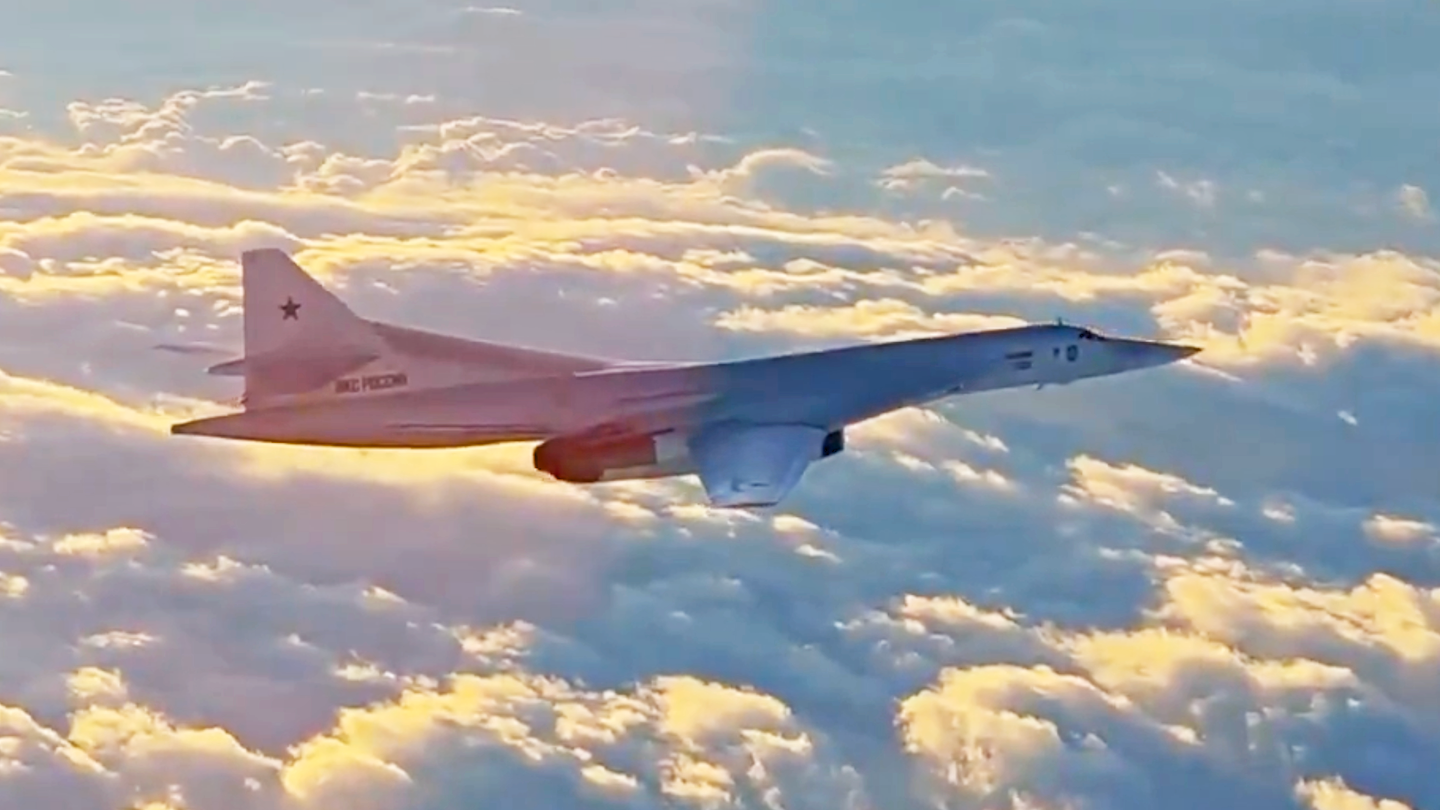
Russian military aircraft came exceptionally close to South Korean sovereign airspace on November 24, prompting an emergency response from Seoul and a formal diplomatic protest to Moscow. The encounter unfolded as Russia’s Aerospace Forces (VKS) conducted a long-range aviation patrol over the Sea of Japan, involving Tu-160 Blackjack strategic bombers and fighters.
South Korea’s Joint Chiefs of Staff (JCS) said multiple Russian military aircraft entered the Korea Air Defense Identification Zone (KADIZ) without prior notification and approached the airspace around Ulleungdo, an island east of mainland South Korea. South Korean authorities scrambled F-15K Slam Eagle aircraft to monitor the formation and take undisclosed measures to prevent a potential airspace violation.
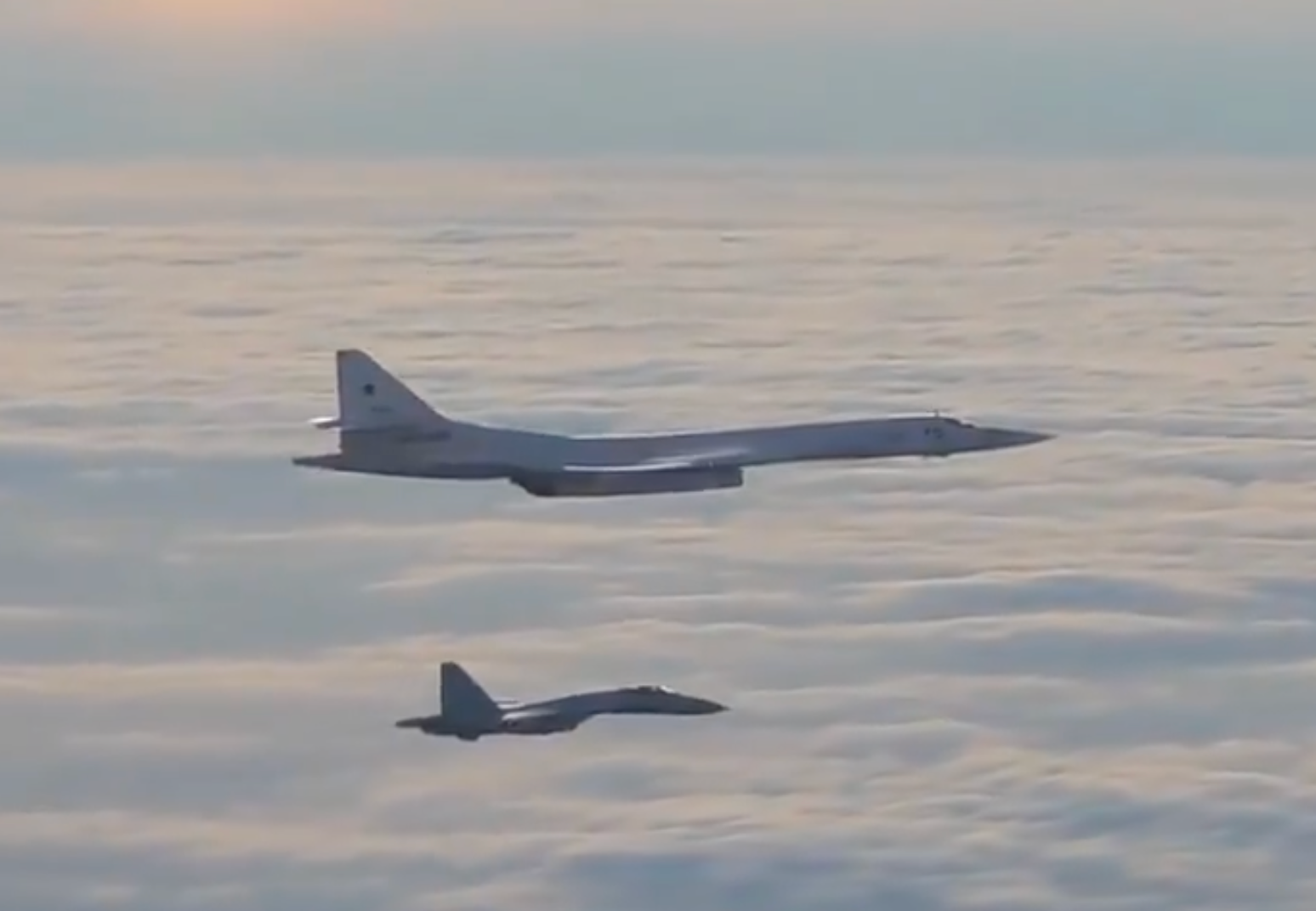
According to South Korean broadcaster SBS, the aircraft involved in the close approach consisted of two bombers and two fighters. The formation reportedly came within approximately 500 meters (1,640 feet) of South Korean sovereign airspace before turning away. That proximity figure has not been independently verified.
The encounter triggered an unusual civil defense response. South Korean authorities briefly issued an emergency warning instructing Ulleungdo residents to move into shelters. The warning was lifted approximately three minutes later after the aircraft departed the immediate area. According to the Yonhap news agency, the warning was issued by a local government authority that had erroneously identified the aircraft as likely North Korean.
Seoul subsequently clarified that the Russian aircraft had not actually entered South Korean territorial airspace.
국방부, 러시아 군용기 방공식별구역(KADIZ) 무단진입 및 울릉도 영공 근접비행 관련 엄중 항의
— 국방부 (@ROK_MND) November 24, 202611월 24일(화) 다수의 러시아 군용기가 사전통보 없이 우리의 방공식별구역(KADIZ)에 진입하여 울릉도 영공 인근까지 근접비행하였습니다.
Russia’s account
The Russian Ministry of Defense announced that two Tu-160 strategic bombers had completed a scheduled flight over the neutral waters of the Sea of Japan. The mission reportedly lasted approximately 10 hours and was conducted in accordance with international law.
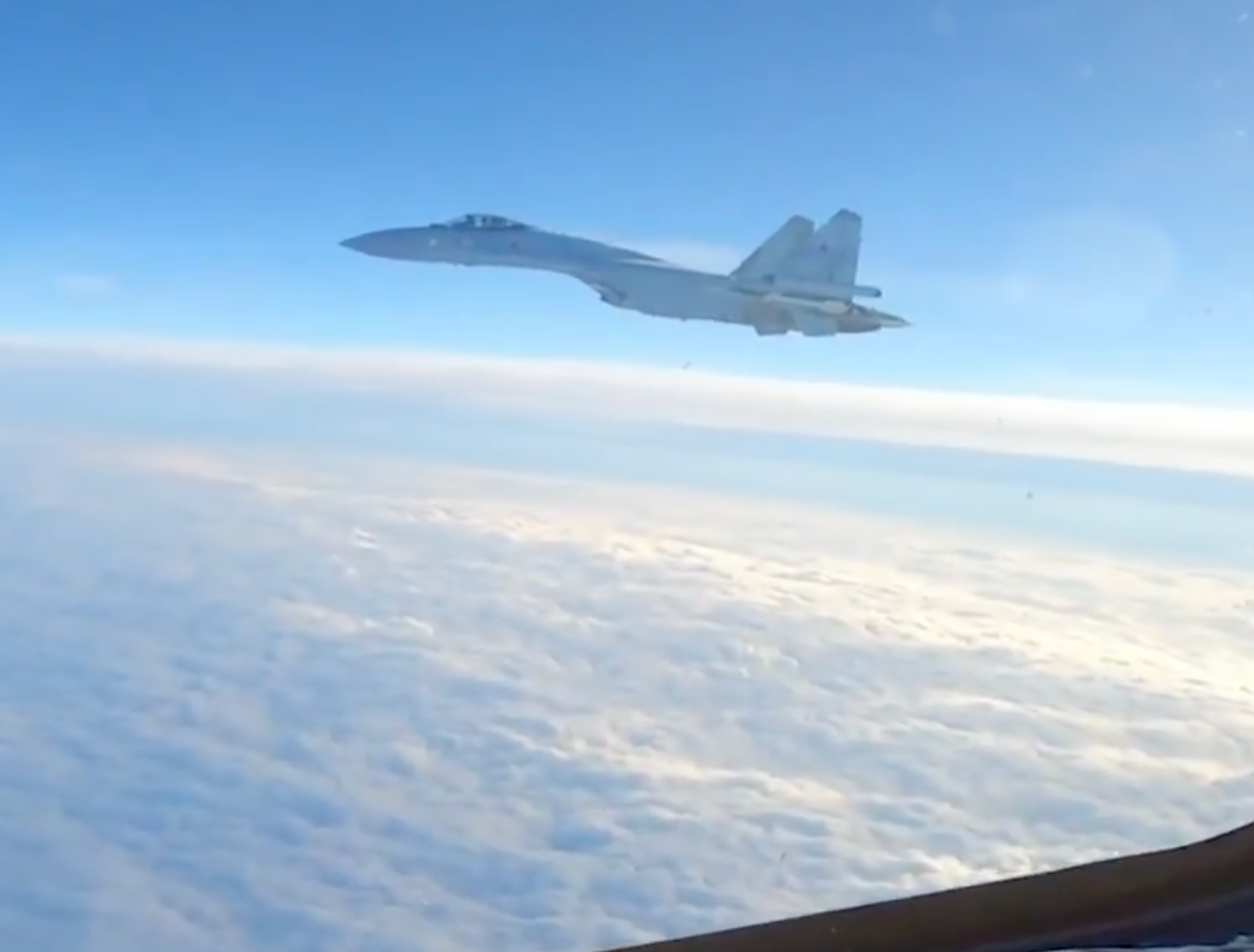
Moscow identified Su-35S and Su-30SM Flanker series multirole fighters as escort aircraft. However, the accompanying Russian MoD video also shows one advanced Su-57 Felon operating alongside the formation.
However, the Su-57’s precise role, number of aircraft involved, and duration of participation have not been officially disclosed. Indeed, there is no indication the Felon was actually involved beyond the video clip. That said, there is a Su-57 unit based in the Russian Far East that would have been suitably located to take part in at least a portion of the mission, were that the case. Another possibility is that the Su-57 accompanied the Tu-160s in or around Russian airspace but did not venture close to the Korean peninsula.
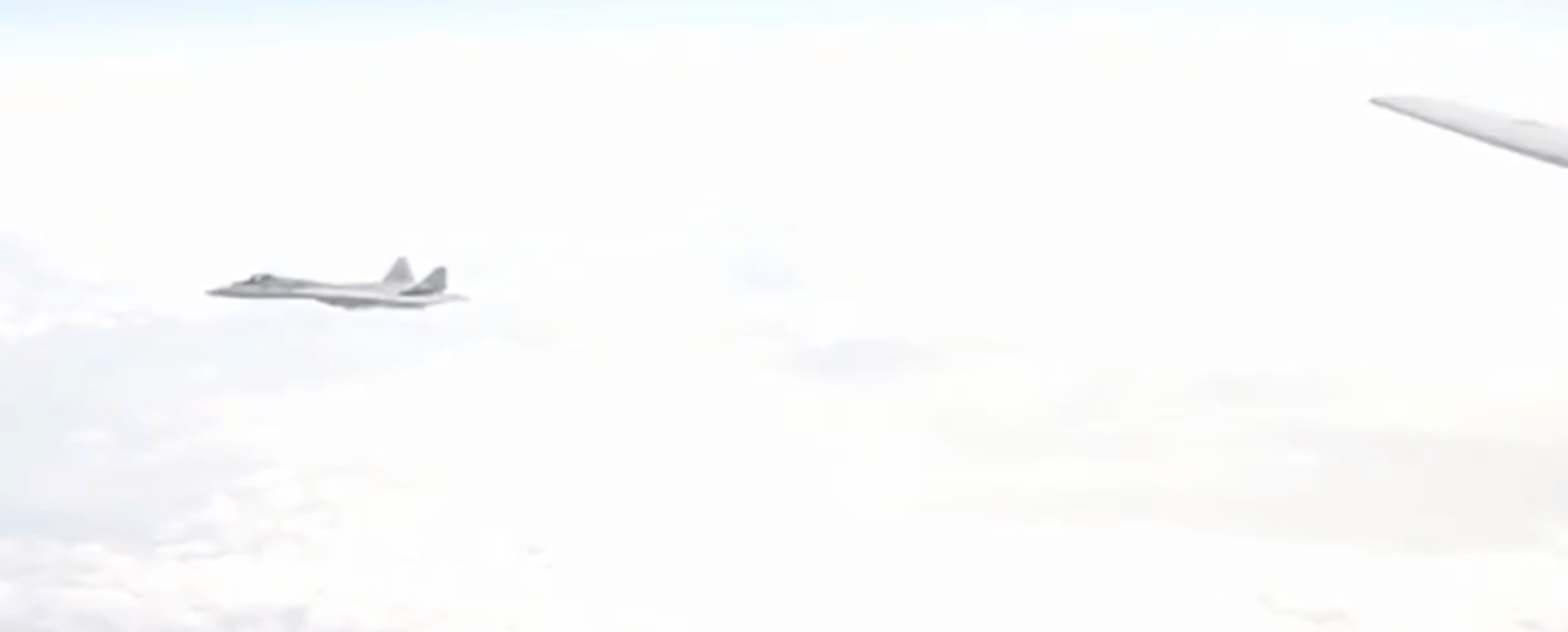
South Korean reporting described the formation that approached Ulleungdo as consisting of two bombers and two fighters, but the available information does not conclusively establish that these were the same aircraft identified in Russia’s announcement. Nor does it disclose the particular aircraft types.
Regardless, the combination of Tu-160 bombers and tactical fighters of any kind highlights the range of aircraft Russia can bring together during long-range aviation operations.
Seoul issues formal protest
The diplomatic fallout followed quickly.
South Korea’s Ministry of National Defense summoned Russian defense attaché Colonel Nikolai Marchenko on the afternoon of November 24. Kim Hak-jo, director-general for international policy at the ministry, reportedly delivered a strong protest over the Russian aircraft activity and demanded measures to prevent a recurrence.
Seoul described the repeated unannounced entries of Russian military aircraft into KADIZ, together with the latest approach toward Ulleungdo, as unacceptable actions that could unnecessarily heighten tensions on the Korean peninsula and throughout the region.
South Korea also emphasized that its military would continue responding actively to foreign military aircraft operating within KADIZ to protect its sovereign airspace.
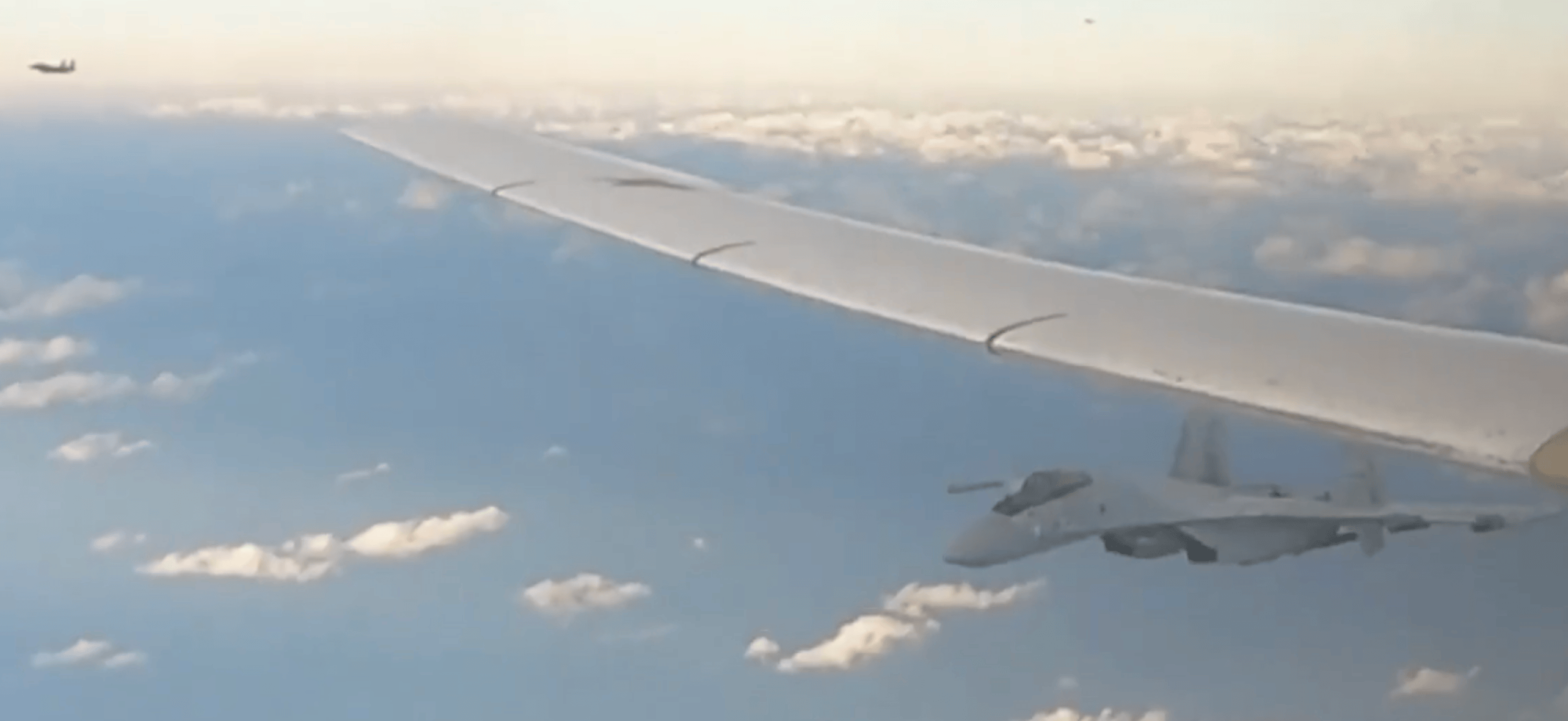
It should be noted here that the KADIZ and territorial airspace are distinct zones. An air defense identification zone is an area in which aircraft are expected to identify themselves for security monitoring. It is not sovereign national airspace, and entering it does not automatically constitute a violation of international law.
The Russian aircraft were therefore entitled to operate over international waters, although their proximity to South Korean territorial airspace prompted Seoul’s military response.
A ramp-up of Russian air activity
The November 24 incident comes amid continued Russian military aviation activity around the Korean peninsula and Japan.
Russian long-range aviation patrols over the Sea of Japan regularly attract attention from regional air forces, particularly when strategic bombers operate alongside tactical fighters. South Korean and Japanese aircraft routinely monitor such formations, with fighter interceptions or escort missions taking place when foreign military aircraft approach their respective air defense identification zones.
Russia has also conducted joint air patrols with China in the region, adding another dimension to the increasingly active military aviation environment in Northeast Asia.
Only last week, Russia sent a pair of Tu-95MS Bear bombers for a rare visit to Vietnam. On their way, the aircraft appear to have briefly intruded into Japanese airspace and passed through Taiwan’s ADIZ. As you can read here, the activity unfolded just 48 hours before Chinese President Xi Jinping, Russian President Vladimir Putin, and U.S. President Donald Trump held an unprecedented trilateral meeting in China.
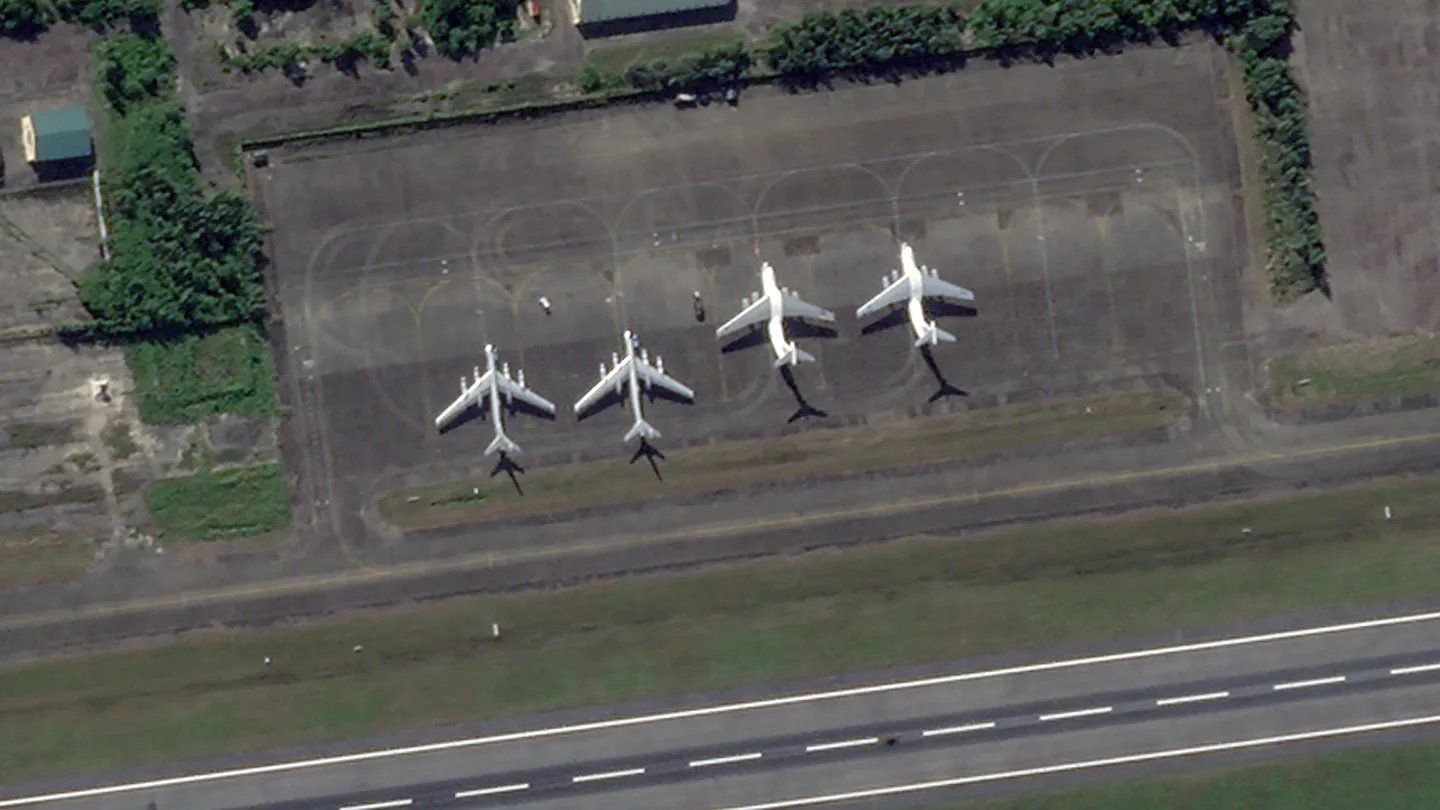
For Moscow, long-range bomber flights provide an opportunity to demonstrate strategic aviation capabilities and maintain operational experience over distant maritime approaches. For Seoul and Tokyo, these missions require sustained air surveillance and readiness to respond to aircraft operating close to national airspace.
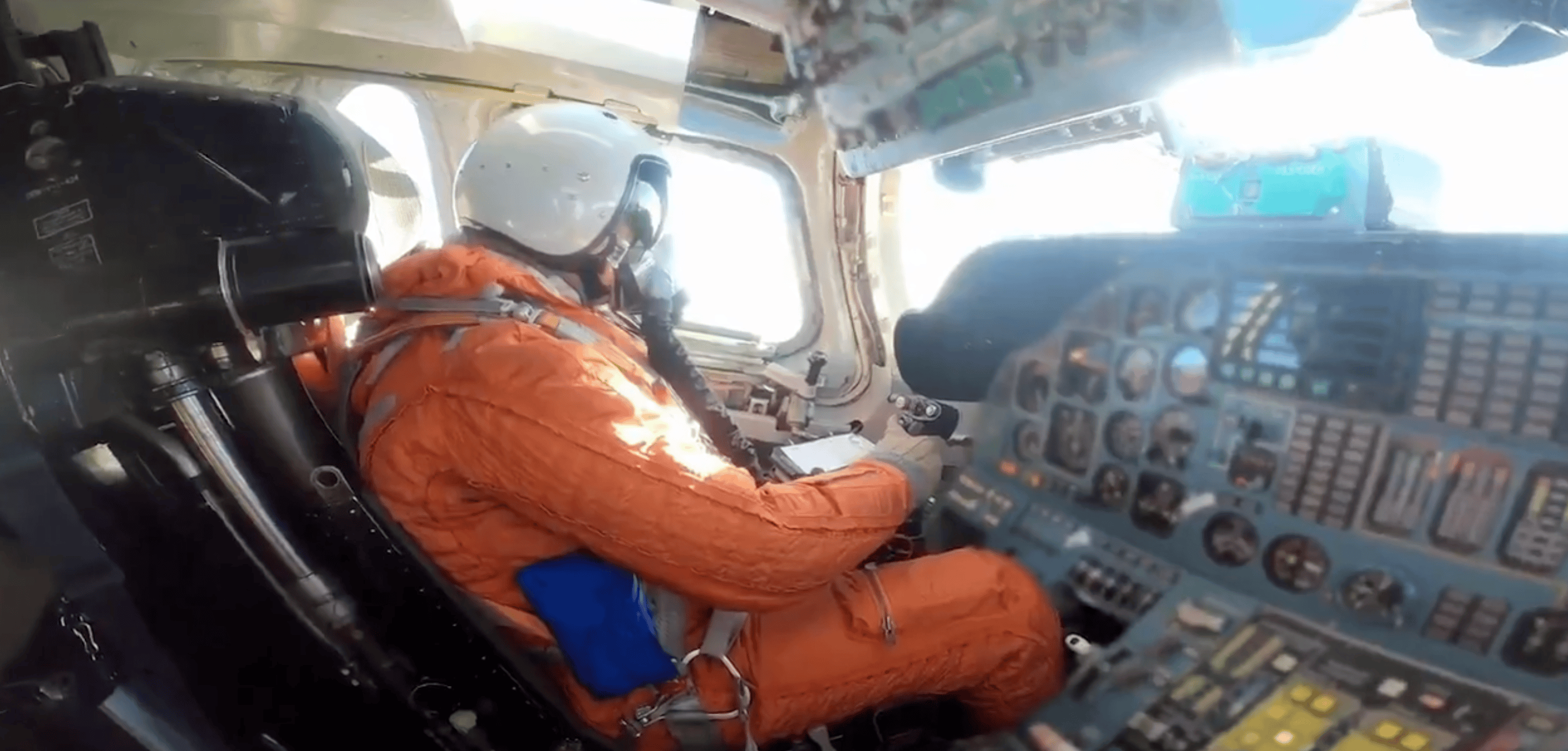
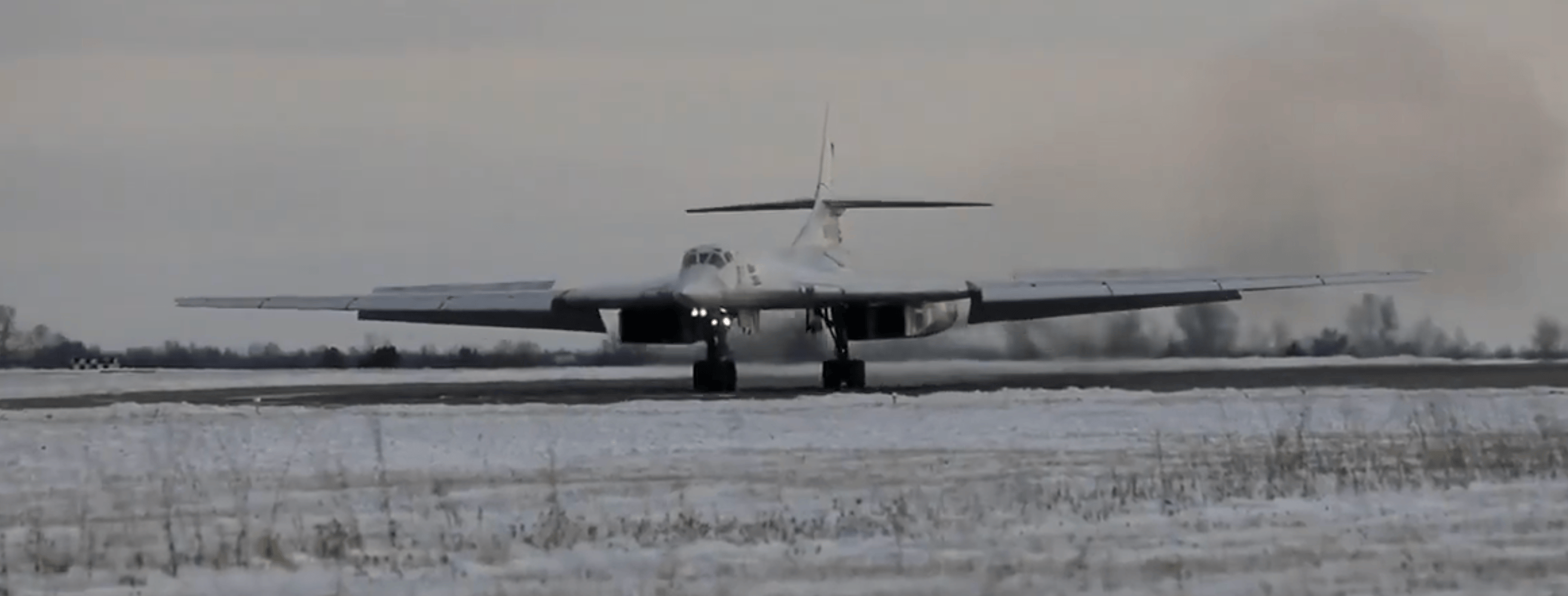
Today’s activity brought Russian military aircraft unusually close to South Korean airspace, triggered a brief emergency warning for civilians, and resulted in a formal diplomatic protest. The combination of strategic bombers and advanced fighters also provides a useful snapshot of Russia’s continuing military aviation presence in the western Pacific.
Contact the author: thomas@thewarzone.com
The post Seoul Scrambles F-15Ks As Russian Warplanes Come Within Seconds Of Crossing Into South Korean Airspace appeared first on TWZ.