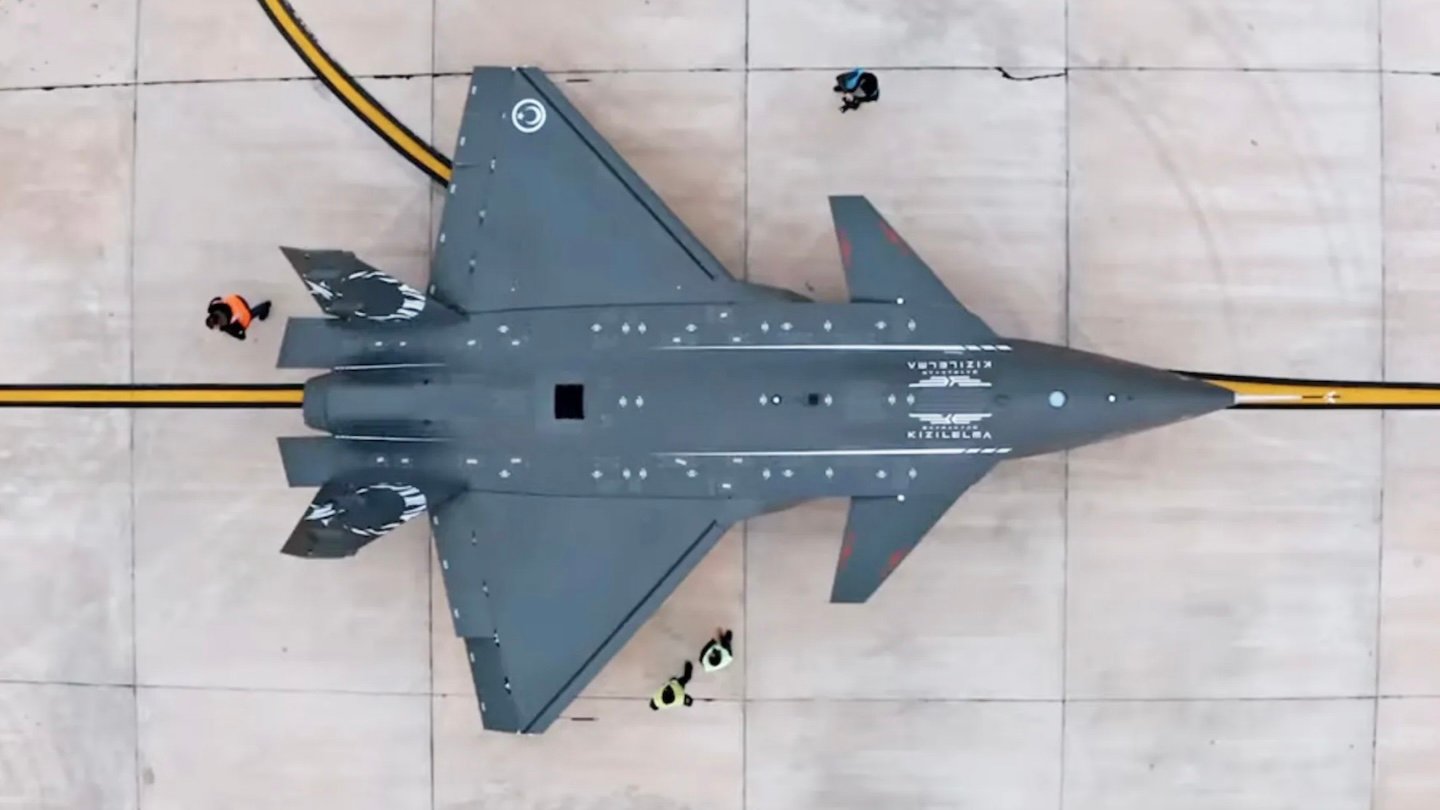
Turkish drone manufacturer Baykar says it has made aviation history, announcing that the first three of its Bayraktar Kizilelma uncrewed combat aircraft have entered the inventory of the Turkish security forces following the completion of acceptance testing. The company describes the development as the first operational induction of an uncrewed ‘fighter jet’ anywhere in the world.
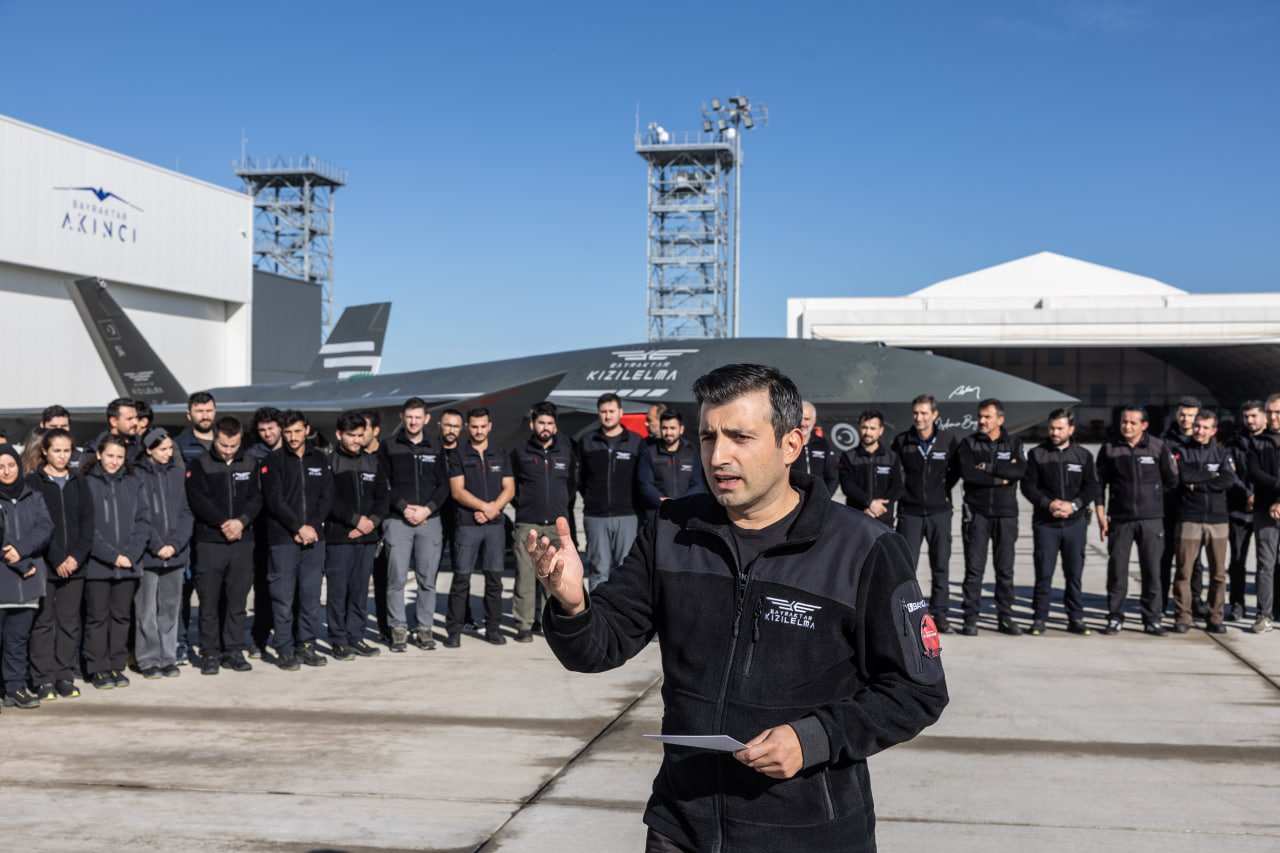
It is a significant milestone for a program that has progressed from its initial unveiling in 2021 to flight testing, weapons integration, and now military acceptance. Baykar says the program has accumulated approximately 600 test and training sorties.
But the significance of Kizilelma goes beyond the question of whether it represents a world first. The aircraft belongs to an emerging category of uncrewed combat aircraft that is increasingly difficult to describe using the traditional Uncrewed Combat Air Vehicle (UCAV) label. Unlike conventional armed drones, Kizilelma was designed for fighter-type missions, including air-to-air combat.
It arrives on the scene as the United States, China, Australia and European countries pursue their own concepts for fighter-like uncrewed aircraft intended to operate in increasingly demanding combat environments, especially alongside crewed fighters.
Beyond the traditional UCAV
The term UCAV encompasses a broad range of aircraft, but is typically applied to more sophisticated, stealthy, jet-powered aircraft intended to penetrate defended airspace and to conduct air-to-ground attack, as well as electronic attack and surveillance and reconnaissance (it is worth noting that some still refer to any weaponized complex drone system capable of sizable endurance and delivery of ordnance as UCAVs). Regardless, the ability of many UCAV concepts to carry guided bombs and missiles does not necessarily make them fighter drones in the conventional sense.
A different concept is now emerging: uncrewed aircraft specifically designed to undertake fighter missions, and especially air-to-air combat.
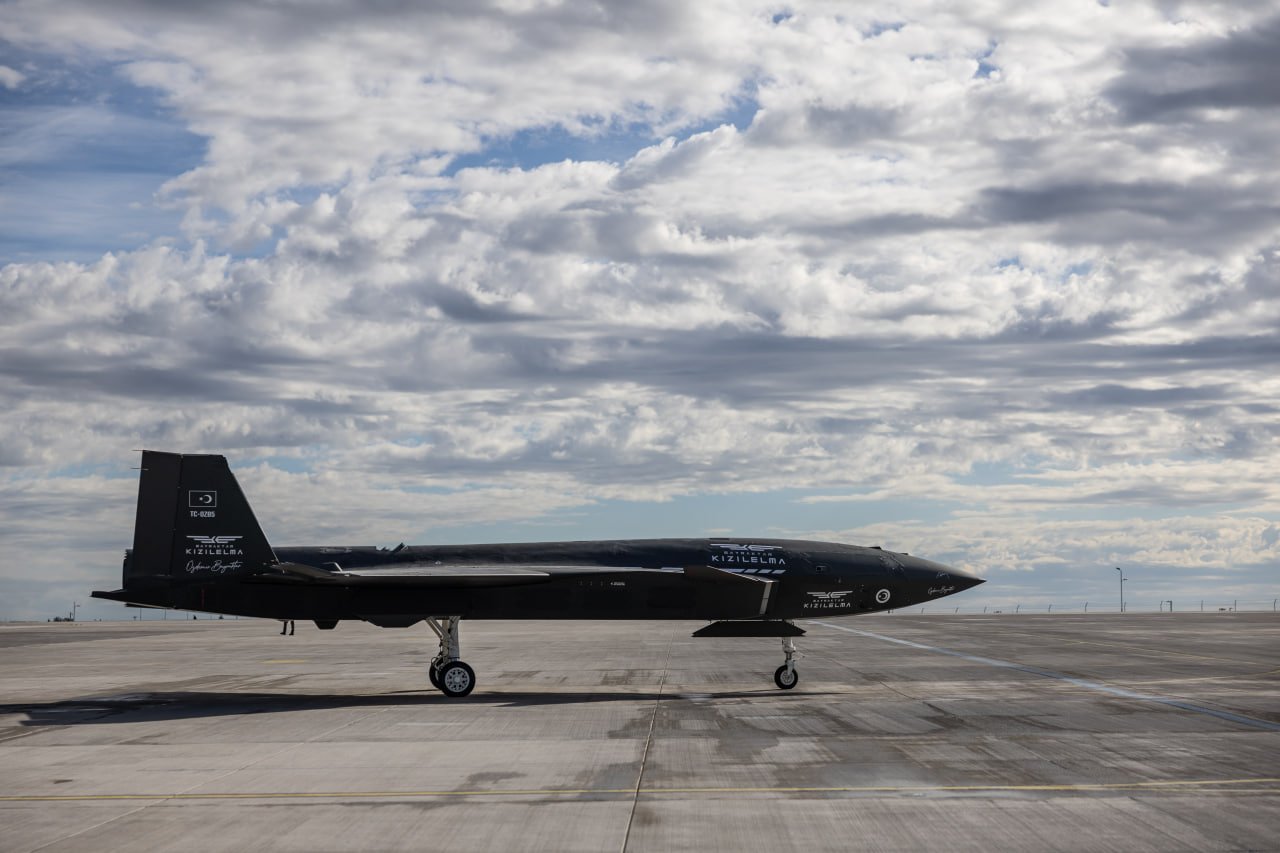
Within this narrower category, another important distinction is the Collaborative Combat Aircraft (CCA). These are designed to operate alongside crewed combat aircraft, extending their sensor coverage, weapons capacity, and tactical flexibility. Their employment involves considerable autonomy, but they are generally conceived as part of a wider crewed-uncrewed combat formation.
Kizilelma sits somewhere between these concepts. It is intended to undertake fighter-type missions, including air-to-air combat, but is also expected to perform air-to-ground missions and eventually operate as part of a wider crewed-uncrewed team.
Its design and intended employment make it particularly fighter-like among the emerging generation of advanced uncrewed combat aircraft.
Kizilelma’s fighter credentials
Kizilelma was conceived with a rather different premise from most UCAVs. It is claimed the aircraft will be capable of supersonic performance in later versions and is tailored for missions typically undertaken by crewed fighter jets.
In particular, it is intended to complement Turkey’s next-generation TF Kaan crewed fighter. While it incorporates a degree of reduced observability, stealth was not the overriding design driver. Baykar is also pursuing a naval variant capable of operating from ships with short flight decks.
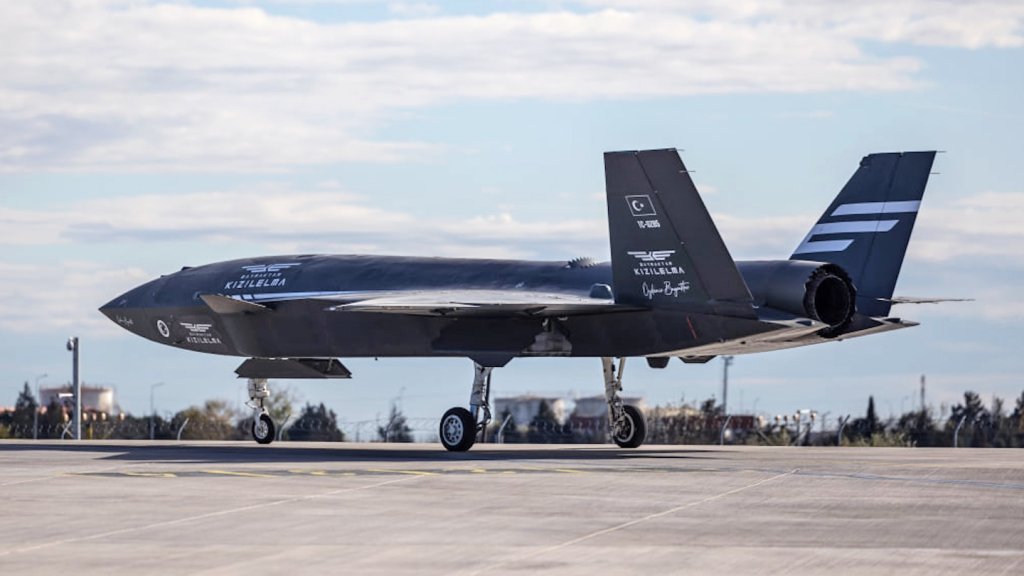
The basic aircraft has a reported maximum speed of Mach 0.9, a cruise speed of Mach 0.6, and a payload capacity of approximately 3,000 pounds. Other specifications include a maximum endurance exceeding three hours, a typical mission radius of 500 nautical miles, a service ceiling of 40,000 feet, and an operational altitude of 25,000 feet.
These characteristics place it closer to a light fighter than to the majority of UCAVs developed to date, which tend to prioritize endurance, payload capacity, and reduced observability over fighter-like performance.
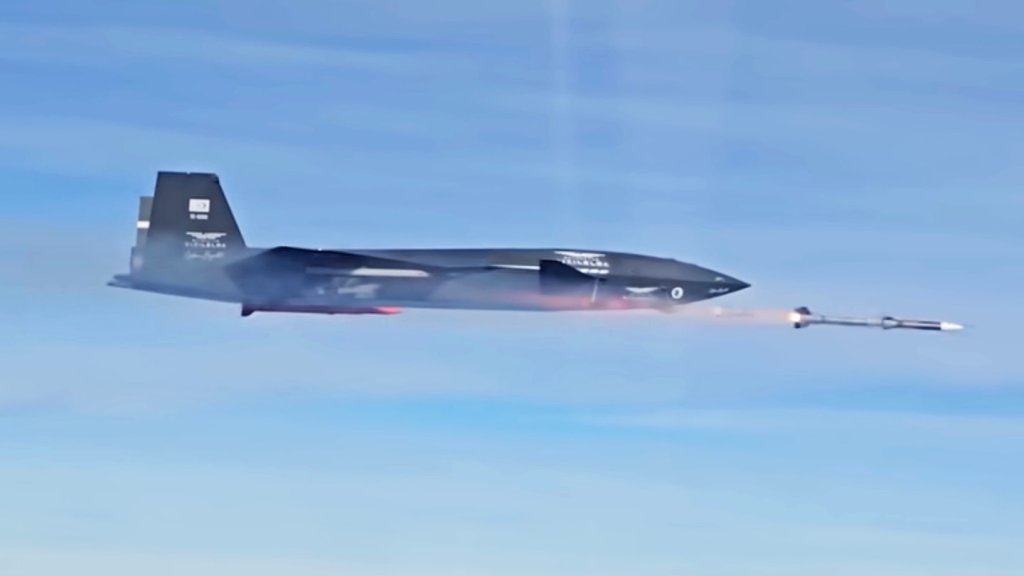
One of the program’s most significant milestones came in November 2025, when a Kizilelma used a domestically developed Gökdoğan air-to-air missile to strike a jet-powered aerial target.
The target was designated using Aselsan’s Murad active electronically scanned array (AESA) radar. The engagement demonstrated the integration of an uncrewed aircraft, onboard radar, and beyond-visual-range missile in an air-to-air engagement.
The aircraft has also demonstrated autonomous formation flight. In December 2025, two Kizilelma prototypes reportedly flew in close formation using intelligent fleet autonomy. A subsequent formation flight alongside Italian M-346 aircraft in May 2026 represented another step toward crewed-uncrewed teaming.
Nevertheless, the extent to which the aircraft can independently detect, identify, track, and engage hostile aircraft remains unclear.
The international race to develop uncrewed fighters
Kizilelma is not emerging in isolation. Several countries are now pursuing related concepts, although their designs, operational philosophies and levels of maturity differ.
The United States is pursuing its uncrewed fighter concept through the Air Force’s Collaborative Combat Aircraft program.
In March 2025, the U.S. Air Force formally designated General Atomics’ YFQ-42A and Anduril’s YFQ-44A as uncrewed fighters.
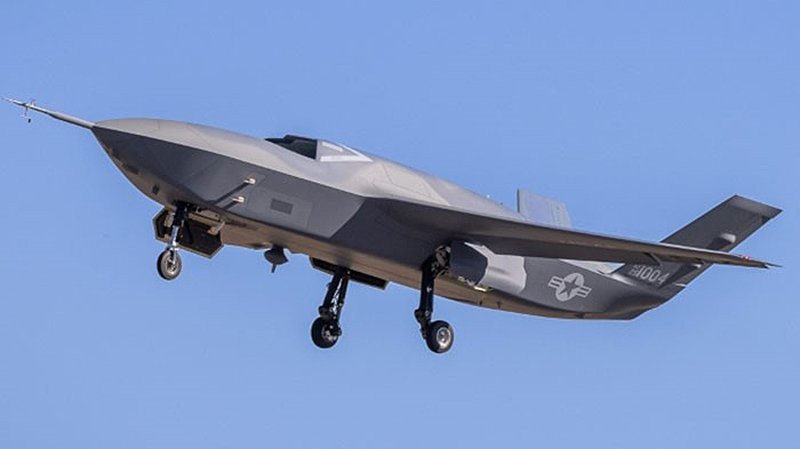
Both aircraft are intended to operate alongside crewed fighters, with the aim of extending their combat effectiveness through additional sensors, weapons and autonomous capabilities.
The program has progressed considerably. In June 2026, the Air Force awarded production contracts for both designs, while the YFQ-44A conducted an AIM-120 AMRAAM firing test against a target in July.
The first aircraft were subsequently delivered to the service’s Experimental Operations Unit in September, where they are being used to develop operating concepts, tactics, and procedures.
The American approach differs somewhat from Kizilelma. The CCA aircraft are being developed entirely around collaborative operations with crewed platforms, rather than as independent uncrewed fighters with collaborative capabilities.
Nevertheless, they are part of the same broader shift toward aircraft capable of undertaking increasingly demanding fighter missions without an onboard pilot.
Meanwhile, China has made considerable progress with its stealthy GJ-11 Mysterious Dragon UCAV.
The People’s Liberation Army Air Force announced that the GJ-11 had entered service in November 2025, predating Kizilelma’s delivery by approximately a year.
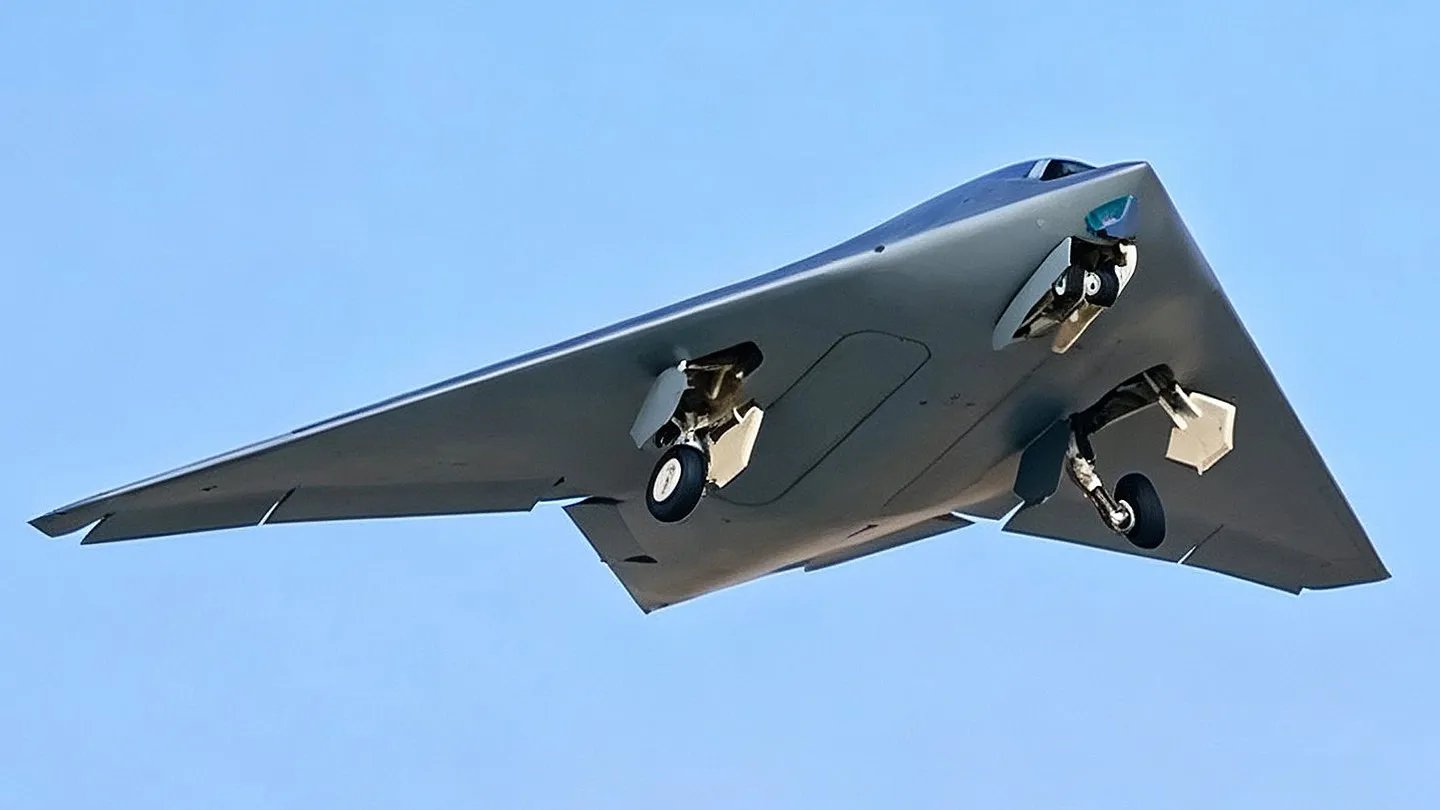
Recent Chinese state media coverage has provided additional insight into the GJ-11’s intended operational role, including air-to-ground strikes, suppression of enemy air defenses, and operations alongside crewed J-16 and J-20 fighters.
However, the publicly disclosed mission set remains primarily focused on air-to-surface operations. There has been no comparable public demonstration of the GJ-11 conducting an air-to-air missile engagement against an aerial target.
That does not establish that the aircraft lacks such a capability. Its precise performance and operational role remain difficult to determine given the limited transparency surrounding China’s uncrewed combat aviation programs. Still, this is a more traditional UCAV, built around low observability, range, and payload, not fighter-like performance.
China is developing a broader family of CCAs, reflecting an approach that extends beyond the GJ-11 and increasingly emphasizes the integration of uncrewed systems into fighter formations with higher-performance designs. We have seen China testing these daily in satellite images. They are larger uncrewed aircraft and much more like Turkey’s offering than America’s CCAs or traditional UCAVs.
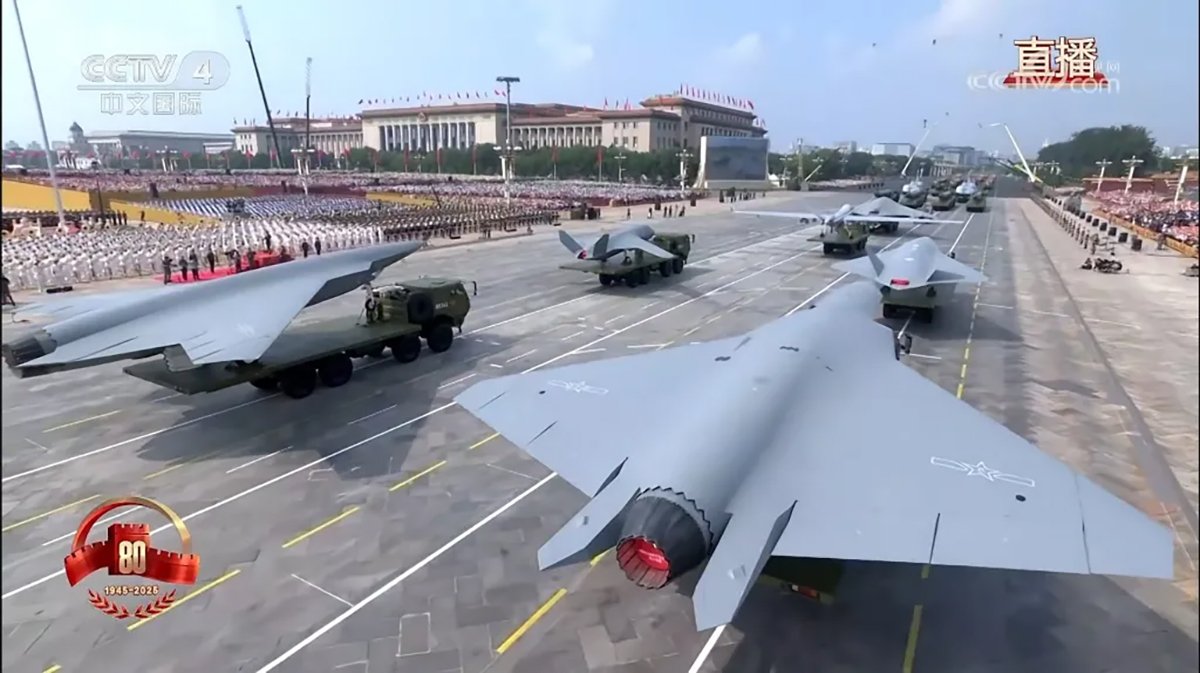
European manufacturers are also pursuing the next generation of uncrewed combat aircraft, some of which are similar to Kizilelma in basic concept.
Sweden’s Saab, for instance, is exploring autonomous combat aircraft and crewed-uncrewed teaming as part of its longer-term combat aviation development, including a large fighter-like uncrewed design. Airbus’ Wingman drone is also of the same fighter-like general design family.
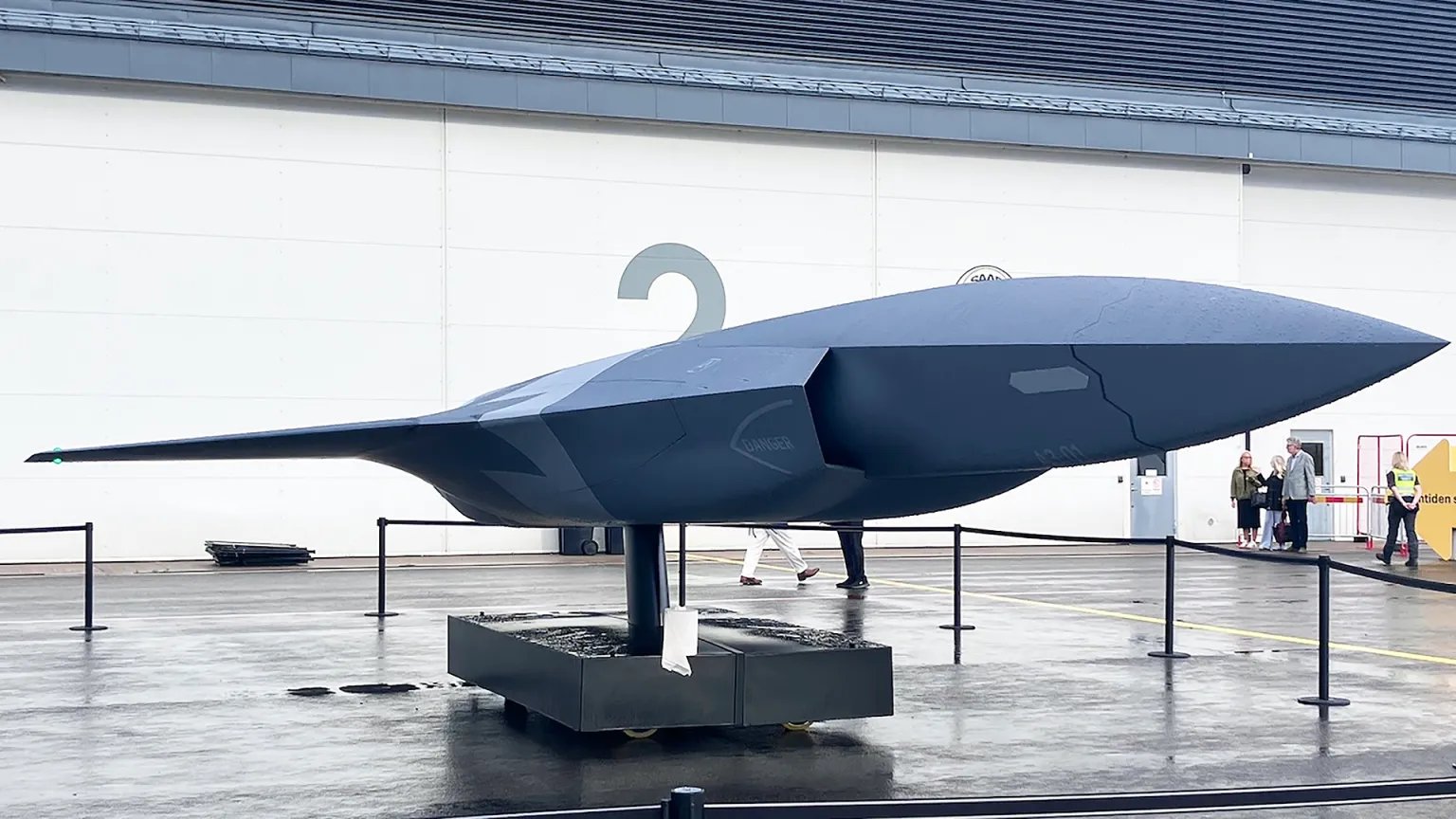
Meanwhile, in Australia, Boeing’s MQ-28 Ghost Bat CCA is also making strides. Only weeks after the Kizilelma test-fired an air-to-air missile, Boeing made a first live-fire weapons shot from a Ghost Bat drone, with an AIM-120 Advanced Medium-Range Air-to-Air Missile (AMRAAM) launched over the sprawling Woomera Range Complex (WRC) in southern Australia. The milestone event comes as the Australian government committed further to the Ghost Bat program and collaborative air capabilities in general. Although dropped from German plans for now, Boeing has reported strong export interest in the drone.
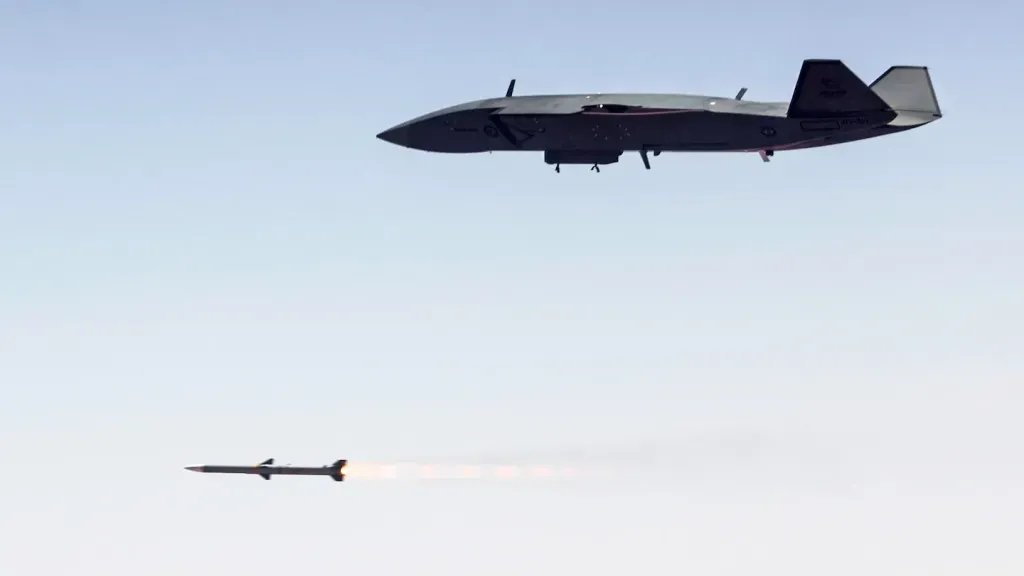
So clearly, these larger, fighter-like, higher-performance UAV designs are of increasing interest globally, and Kizilelma was really the first to emerge, establishing this unique segment of the drone space.
What does being operational actually mean?
Baykar’s announcement confirms that the first three Kizilelma aircraft completed acceptance testing and entered the inventory of Turkish security forces.
However, several important questions remain unanswered.
The company has not publicly identified the receiving military branch. Janes reported that imagery of the occasion showed an officer believed to belong to the Turkish Land Forces Command.
More importantly, delivery and acceptance do not necessarily mean that Kizilelma has achieved full operational capability.
Its readiness for combat, initial operational mission set, and the extent to which its air-to-air weapons capabilities have been cleared for operational use remain unclear.
The autonomy question is equally important. Autonomous formation flight and a successful radar-guided missile engagement are significant achievements, but neither establishes that the aircraft can independently, or even semi-autonomously, conduct the complete fighter engagement process in a real combat environment. The aircraft can rely on man-in-the-loop control (where a pilot is physically flying it like an MQ-9 Reaper) and still carry out various missions, but a larger degree of autonomy would unlock greater flexibility, resilience due to less reliance on high-bandwidth datalinks, and far more efficient pairing with crewed assets.
A new category of combat aircraft
Regardless of whether Baykar’s world-first assertion withstands closer scrutiny, Kizilelma’s entry into Turkish military inventory is an important development in the evolution of uncrewed combat aviation.
The aircraft represents a move away from the traditional model of uncrewed aircraft as primarily persistent surveillance and strike platforms, toward systems intended to undertake some of the most demanding missions in modern air warfare.
The United States, China, Turkey, Australia and several European countries are pursuing their own approaches to this challenge.
Whether it becomes a true independent uncrewed fighter, a collaborative wingman to the TF Kaan or a platform capable of fulfilling both roles remains to be seen, but efforts to realize those aspirations will certainly accelerate over the coming years. This is especially the case now that the program can build operational experience with the active Turkish armed forces.
Contact the author: thomas@thewarone.com
The post Turkish Kizilelma Fighter Drone Declared Operational appeared first on TWZ.