This is an edition of the Books Briefing, our editors’ weekly guide to the best in books. Sign up for it here.
Romantasy—the category of fiction in which the supernaturally gifted soar on the wings of love, and also sometimes of dragons—is incredibly successful. Its reigning queen, Sarah J. Maas, has sold about 75 million copies of her novels, my colleague Honor Jones reported in a recent Atlantic essay. The appeal of the genre, Jones found, isn’t just chiseled abs, smoldering gazes, and faerie frippery. Yes, there are hyper-athletic magical trysts, but “far more significant are feelings and friendships between the heroes: enchanted beings with relatable self-esteem issues who don’t just seek and fight but also yearn and banter as they face down enemies,” Jones writes. Readers stay for engaging and emotionally effective stories featuring characters they love.
First, here are four new stories from The Atlantic’s Books section:
- Good villains are hard to come by. This one’s great.
- The journalist and the manipulator
- Immigration is a poorly oiled machine.
- The man who wanted to understand every aspect of Jewish life
Romantasy fans generally know that books like those in Maas’s mega-best-selling A Court of Thorns and Roses series—popularly known by the acronym ACOTAR—aren’t going to win the Pulitzer Prize. And they know that fantasy isn’t real life. “But if they’re snowed in—or trapped by a pandemic, or up with a nursing newborn, or stuck in any of the ways humans tend to get stuck—it can help to imagine” the possibility of magic, Jones writes.
This reading experience doesn’t require the emotional tumult of picturing oneself in, say, Oliver Twist’s tiny 19th-century orphan shoes—or, more challenging, Fagin’s villainous boots. Instead, ACOTAR and its ilk make imagining easy: You may not know what it’s like to kiss a shape-shifter, but it’s exciting—seductive, even—to picture giving in to an attraction tinged with intrigue and mystery. And doing so is not necessarily less fulfilling than reading literary fare, because practicing this kind of creativity is good for us. It makes life’s hardships more bearable, as Jones indicates, and it also makes reality more interesting. If all we did was describe the mundane to one another, it would be difficult for any of us to have the kind of life worth writing stories about.
Every queen-bee genre has its haters. Jones notes that plenty of people in the literary world “lament that the only books that sell now are faerie or dragon or elfpunk porn.” But a better approach would be to learn from romantasy’s success: We sometimes need a reminder that reading can simply be entertaining. And if entertainment comes from imagining what it might be like to have a hunky elf-king hanging around, well, where’s the harm in that?
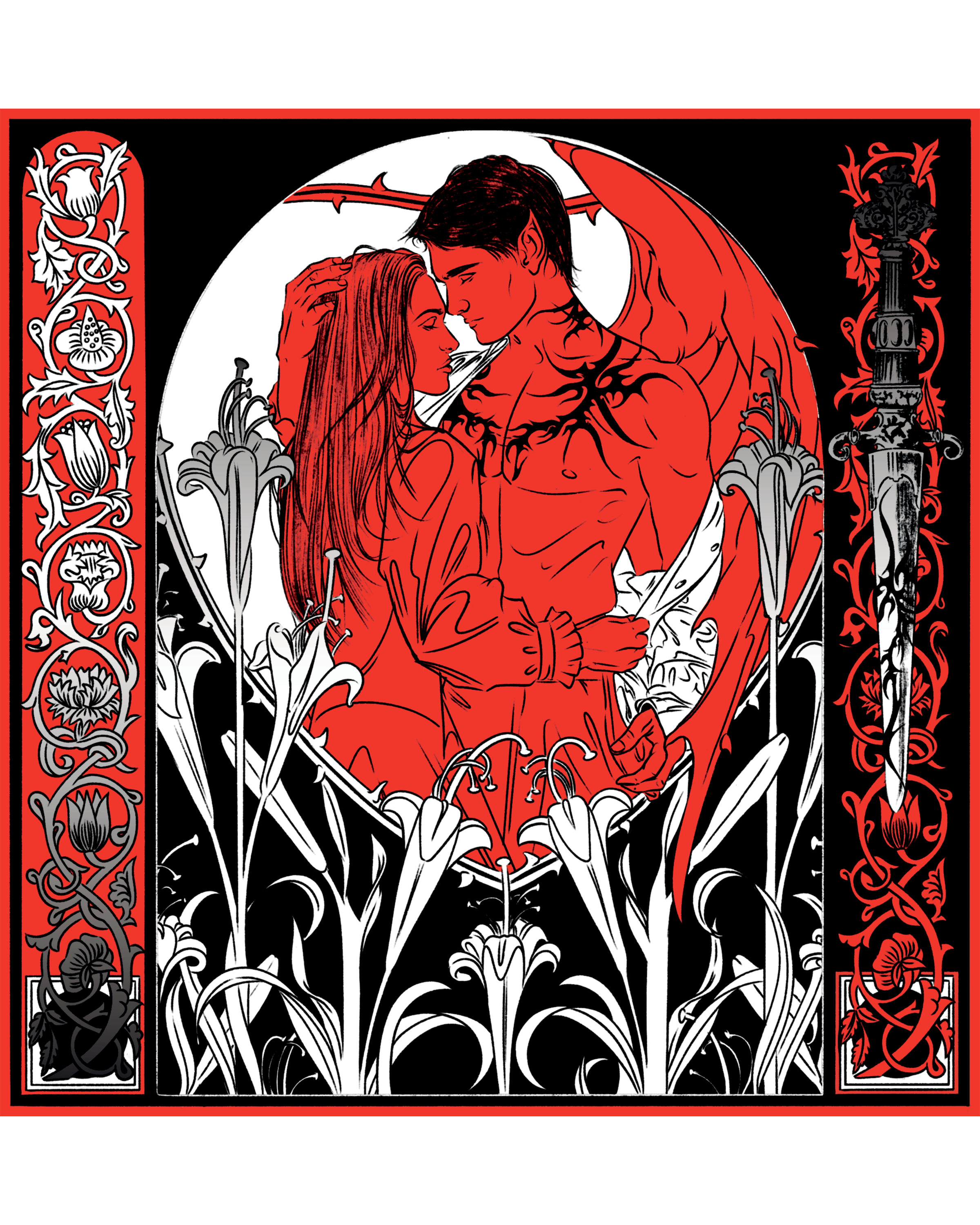
Those Books of Smut and Wonder
By Honor Jones
How Sarah J. Maas became the queen of romantasy
What to Read
The Fox Wife, by Yangsze Choo
Choo’s novel, set in Manchuria in 1908, blends folklore and classic detective fiction, and adds a dash of fantasy—half of its characters are shape-shifting spirits who transform from foxes to humans and back again. These creatures are as clever and crafty as you might expect, and the narrative twists keep the reader in a state of high alert. What starts as a police procedural about the death of a high-class courtesan soon blossoms into a fantastical quest to break curses, rekindle lost love, and catch a murderer. Although it’s not overly long, the book has a mythic feeling, moving through time and space like an epic poem. Choo seamlessly combines narrative momentum and lush world-building, so the reader discovers the setting and uncovers the mystery alongside the novel’s endearing detective. — M. L. Rio
From our list: Eight plot-heavy books that will keep you turning pages
Out Next Week
📚 Redemption: Faith, Justice, and Sisterhood on Death Row, by Lawrence Wright
📚 Crooked Cross, by Sally Carson
📚 I Only Shout So You Can Hear Me, by Lil Jon with Paul Cantor
Your Weekend Read
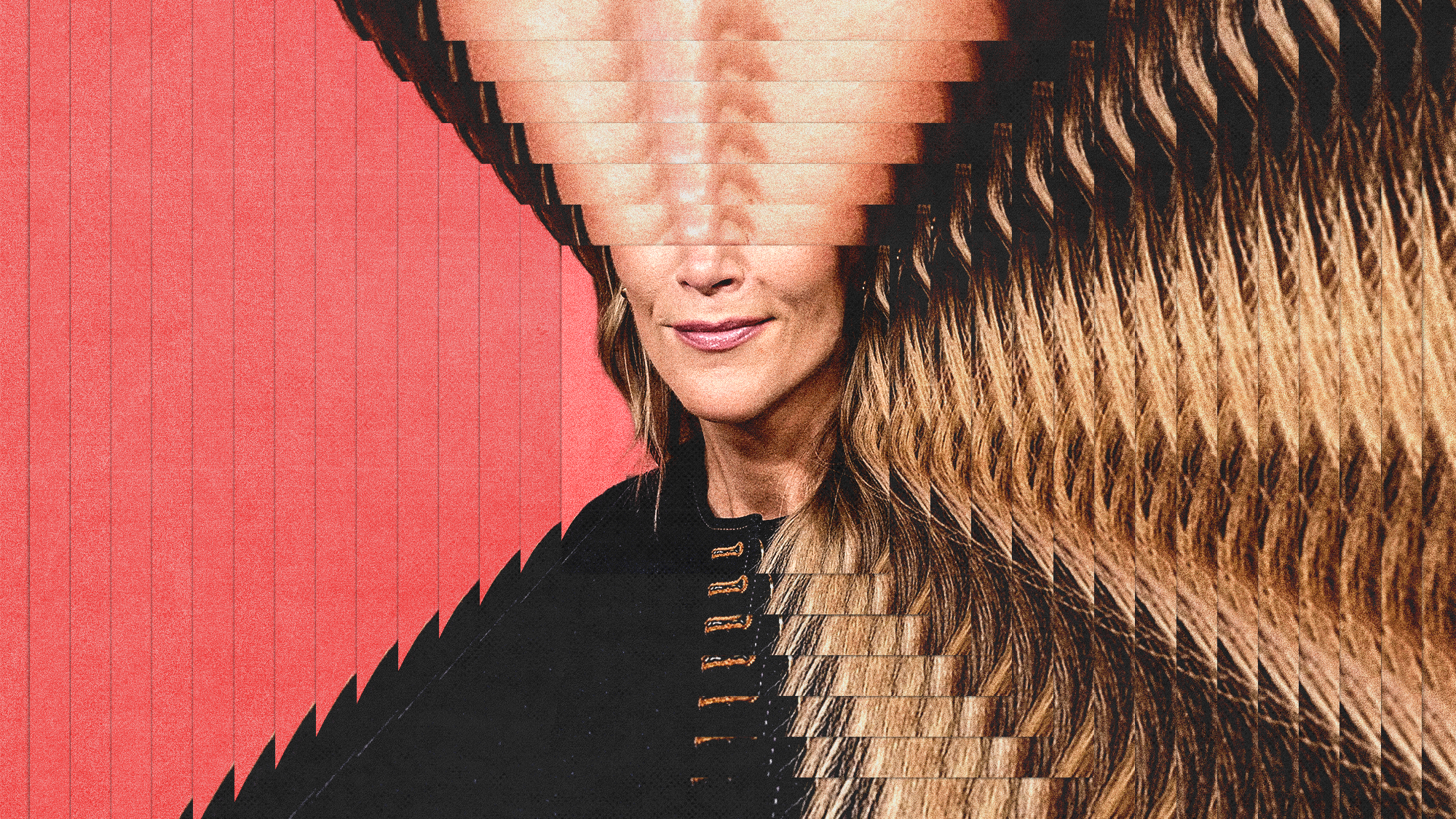
Megyn Kelly’s Extreme Makeover
By Sophie Gilbert
Do you remember Megyn Kelly? I once walked past her in a Chicago O’Hare bathroom in 2016, shortly after Donald Trump had won his first presidential election, and was momentarily stopped in my tracks by both her nuclear-grade charisma and her pixie cut. For a woman to have short hair on Fox News, where Kelly was a star anchor at the time, seemed as seditious to the network’s established order as reading Judith Butler or Karl Marx live on air. But this was a moment during which Kelly seemed to be leaning into the role of crusader for women—speaking out about being sexually harassed by the former Fox News CEO Roger Ailes and so inflaming Trump with her rigorous questioning during one debate that he later insinuated on CNN that she must have had her period.
When you buy a book using a link in this newsletter, we receive a commission. Thank you for supporting The Atlantic.
Sign up for Video Village, a newsletter in which David Sims unearths cinematic gems and brings readers into his movie obsession.
Explore all of our newsletters.