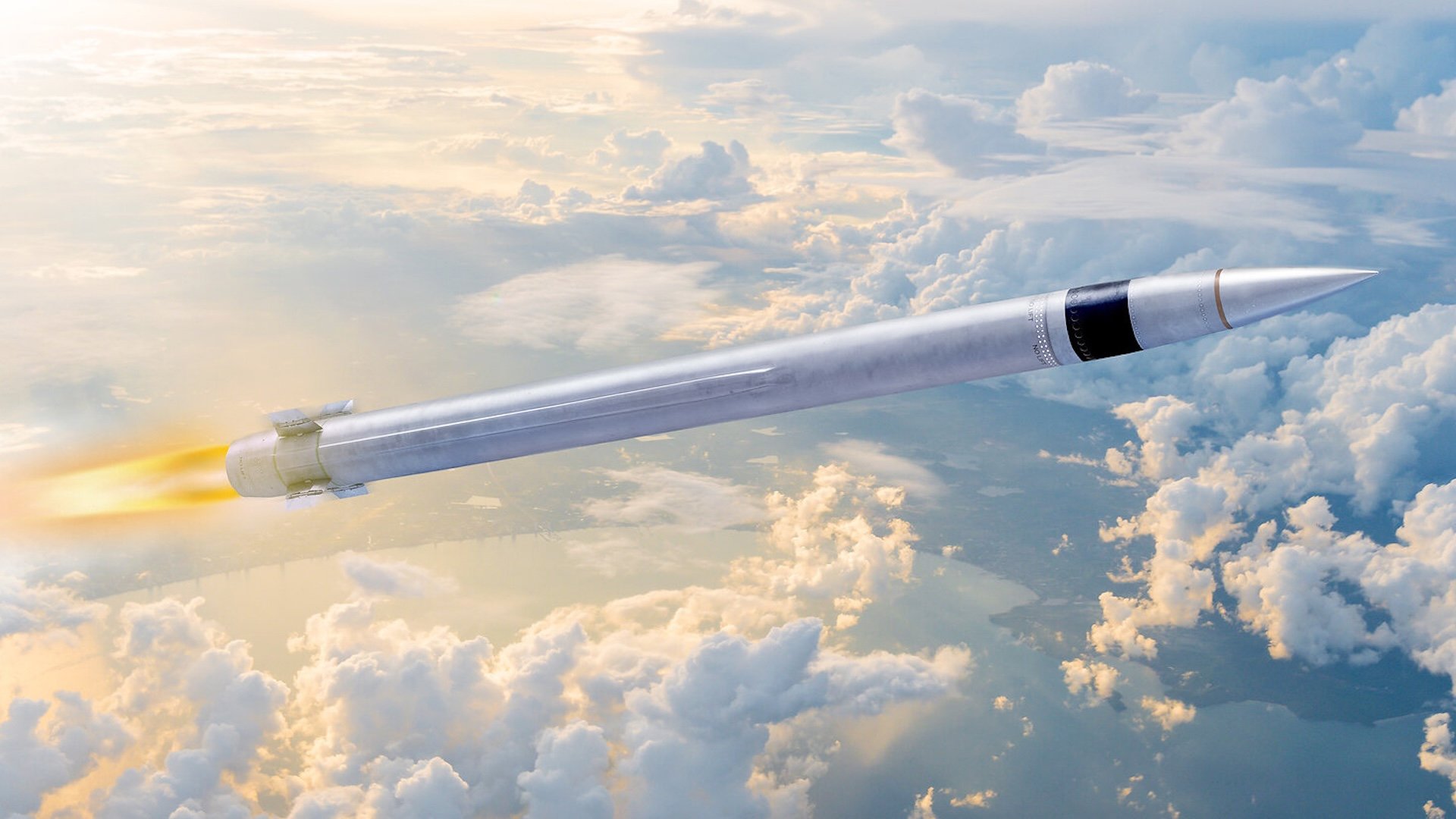
Lockheed Martin has unveiled the PAC-3 Edge, a new interceptor that would represent the top tier of the U.S. Army’s Patriot air defense missile family. The missile is being developed to deliver greater performance against advanced threats than the current PAC-3 Missile Segment Enhancement (MSE), as the Army advances a competition for its next-generation interceptor.
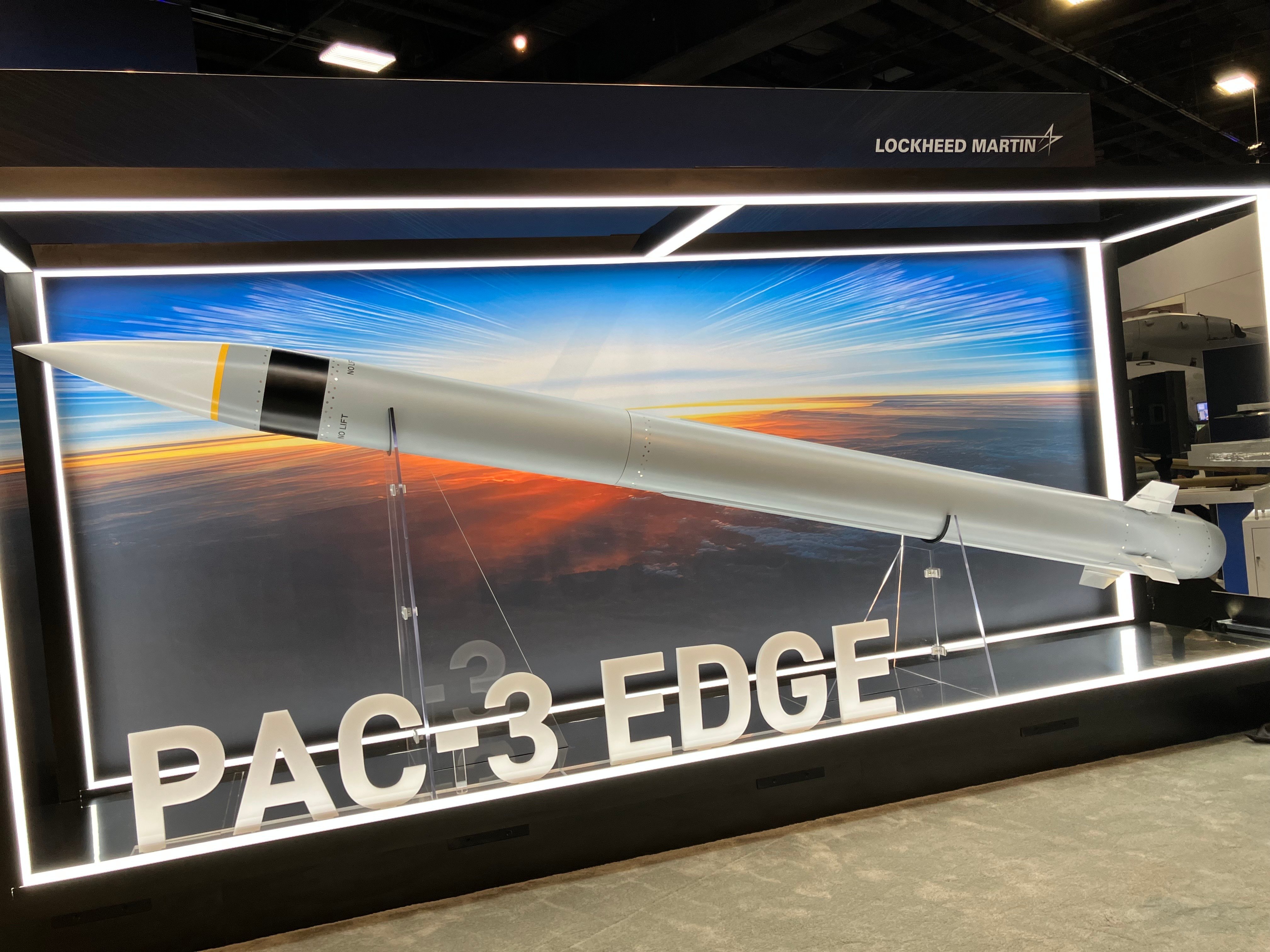
The company says PAC-3 Edge will offer improved performance against increasingly challenging aerial threats, including advanced ballistic and hypersonic missiles. The design builds on the PAC-3 MSE’s existing technology while incorporating a new seeker, an upgraded control system, and a more advanced solid rocket motor developed with Northrop Grumman.
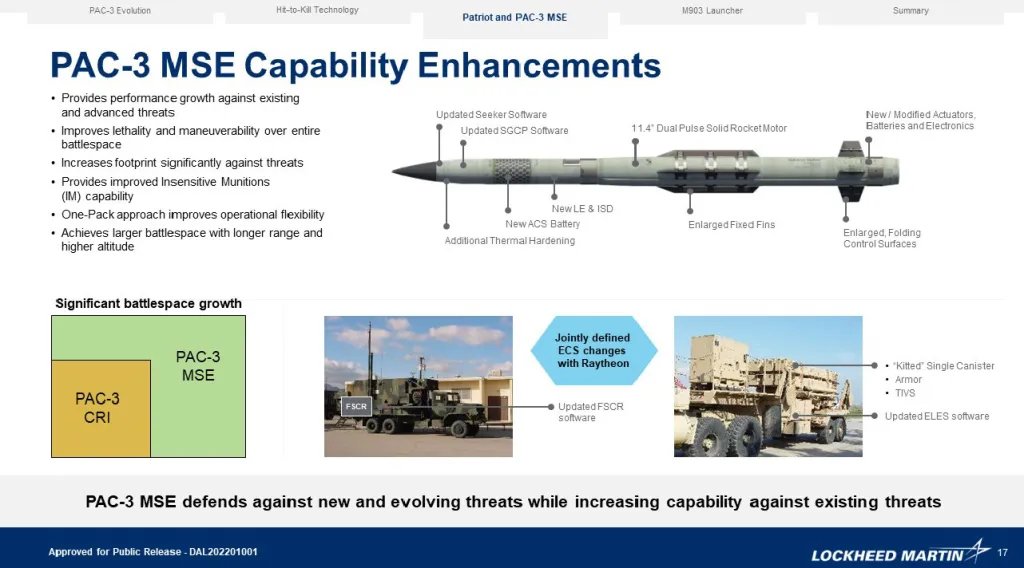
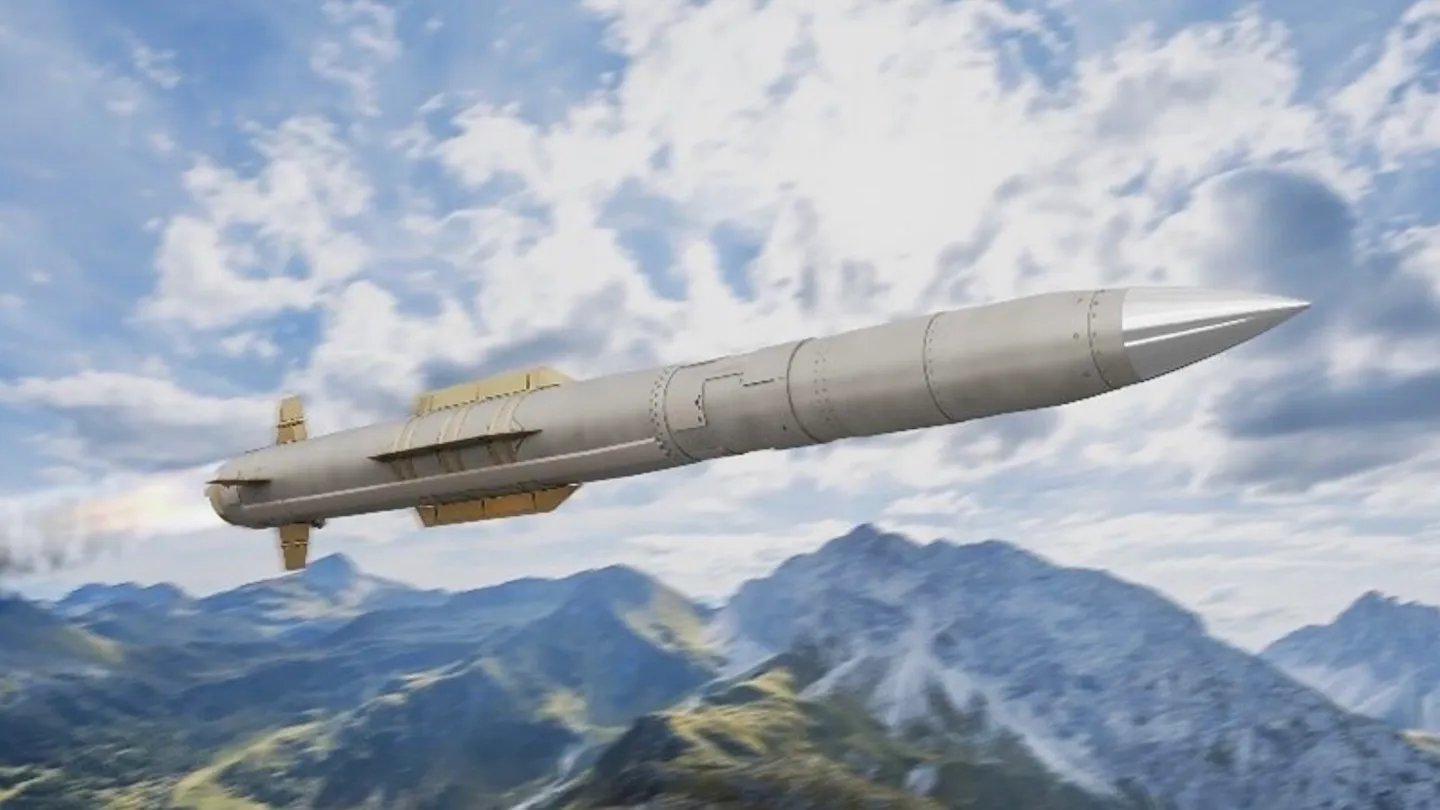
In terms of appearance, PAC-3 Edge differs significantly from the PAC-3 MSE. It does away entirely with the mid-body strakes. The missile body also lacks the distinctive tapered section that separates the narrower forward section from the broader rear section on the MSE version.
Lockheed announced on October 9 that it had been selected to advance to the next phase of the Army’s Future Interceptor program. Company officials said testing is expected to begin in 2027, with initial deployment targeted for 2031.
The Army’s selection of Lockheed and another unnamed competitor marks a significant development in the service’s effort to improve the Patriot system’s ability to deal with more sophisticated threats. The Army previously abandoned its Lower-Tier Future Interceptor (LTFI) program in 2024, citing cost concerns, and instead emphasized incremental improvements to the existing PAC-3 MSE. The subsequent emergence of the Future Interceptor competition points to renewed interest in a more substantial leap in capability.
A More Capable Patriot Interceptor
PAC-3 Edge is intended to preserve the advantages of the existing PAC-3 family while improving the missile’s ability to engage targets at longer ranges and higher altitudes.
One of the central changes is a new seeker being developed by Lockheed Martin’s Strigo Product Center. The company says the technology will improve target detection and tracking, helping the interceptor deal with more demanding threats. The company has not disclosed the seeker’s technical details, but one possibility is a dual-mode or multimode configuration, combining different sensing methods to improve target acquisition and tracking in challenging conditions. Such an approach could help an interceptor maintain a reliable track against maneuvering targets and better distinguish real threats from decoys or other countermeasures.
Tim Cahill, president of Missiles and Fire Control (MFC) for Lockheed Martin, told TWZ that the same seeker technology that will be used in PAC-3 Edge will also find its way into future offensive and defensive systems going into the future. “So it isn’t just a one single seeker solution, but it will be a family of seekers that will operate across a number of regimes,” Martin explained. “Frankly, I’d like to not tell everybody exactly what we’re doing, but it is it is clearly different from what is out there right now, ” Martin said, adding that hardware assemblies and components are now being tested in the lab, and that seekers have been flown on aircraft testbeds.
The missile will also use a three-pulse (as opposed to two-pulse) solid rocket motor designed by Northrop Grumman. Unlike a conventional motor that provides most of its thrust in a single sustained burn, a multi-pulse design can deliver thrust at different points during flight. That can help preserve energy for the terminal engagement, when an interceptor may need to maneuver aggressively to reach a target.
Lockheed says the combination of the new seeker, propulsion system, and control system improvements will provide greater maneuverability and improve performance at extended ranges and higher altitudes. To ensure greater agility, Jason Reynolds, vice president and general manager of Integrated Air and Missile Defense (IAMD) at Lockheed Martin, explained that the new missile adds a greater number of more capable attitude control motors (ACMs), compared to the PAC-3 MSE. These small thrusters ring the missile’s forward body.
The new characteristics could be particularly important against maneuvering ballistic missile warheads and hypersonic weapons, which can pose difficult interception problems because of their speed, altitude and dynamic flight profiles. However, the company has yet to demonstrate PAC-3 Edge’s performance in flight testing.
The extent to which PAC-3 Edge could overlap with, or potentially augment, the capabilities of the Army’s Terminal High Altitude Area Defense (THAAD) system also remains unclear. THAAD is designed to intercept ballistic missiles at higher altitudes and longer ranges than Patriot, where midcourse window bleeds into the terminal intercept window. If PAC-3 Edge delivers a substantial improvement in engagement range and altitude over PAC-3 MSE, it could potentially provide at least some backfill for THAAD.
The announcement did not provide detailed performance figures for the new interceptor, including its maximum engagement range, speed, or specific target set. It also did not establish how much better the missile will perform than the PAC-3 MSE in operational conditions.
Addressing An Air Defense Force Under Pressure
The Army has a pressing need to improve its air and missile defense capabilities while expanding the number of interceptors available to its forces.
TWZ has been reporting on the strain facing the Patriot force and its interceptor supply for years. In July 2025, we reported on the Army’s plan to expand its Patriot air defense force by roughly a quarter, adding four battalions as the service sought to meet growing operational demands. More recently, we have detailed the challenges of replenishing interceptors after intensive combat operations, including the scale of U.S. missile and drone engagements in the Middle East, as well as transfers to Ukraine.
Related to this, the push for a more capable Patriot interceptor comes as the system faces increasingly sophisticated threats and adversaries that have learned from years of combat. Russia has improved its ballistic missile tactics to pierce the Patriot’s protective umbrella, while Iran has demonstrated ways to exploit gaps in layered missile defenses, including introducing extremely high-speed ballistic missiles and cluster warhead that open at high altitude.
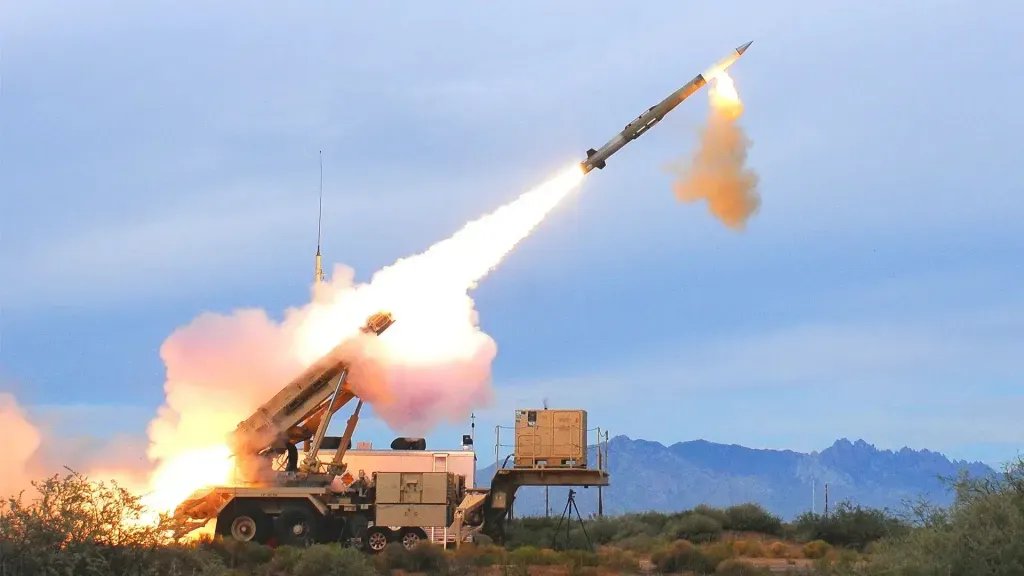
PAC-3 MSE is currently the most advanced operational member of the PAC-3 family. It is designed primarily as a hit-to-kill interceptor, destroying targets through the force of direct impact, but it also incorporates a small explosive charge known as a “lethality enhancer,” as TWZ has previously detailed.
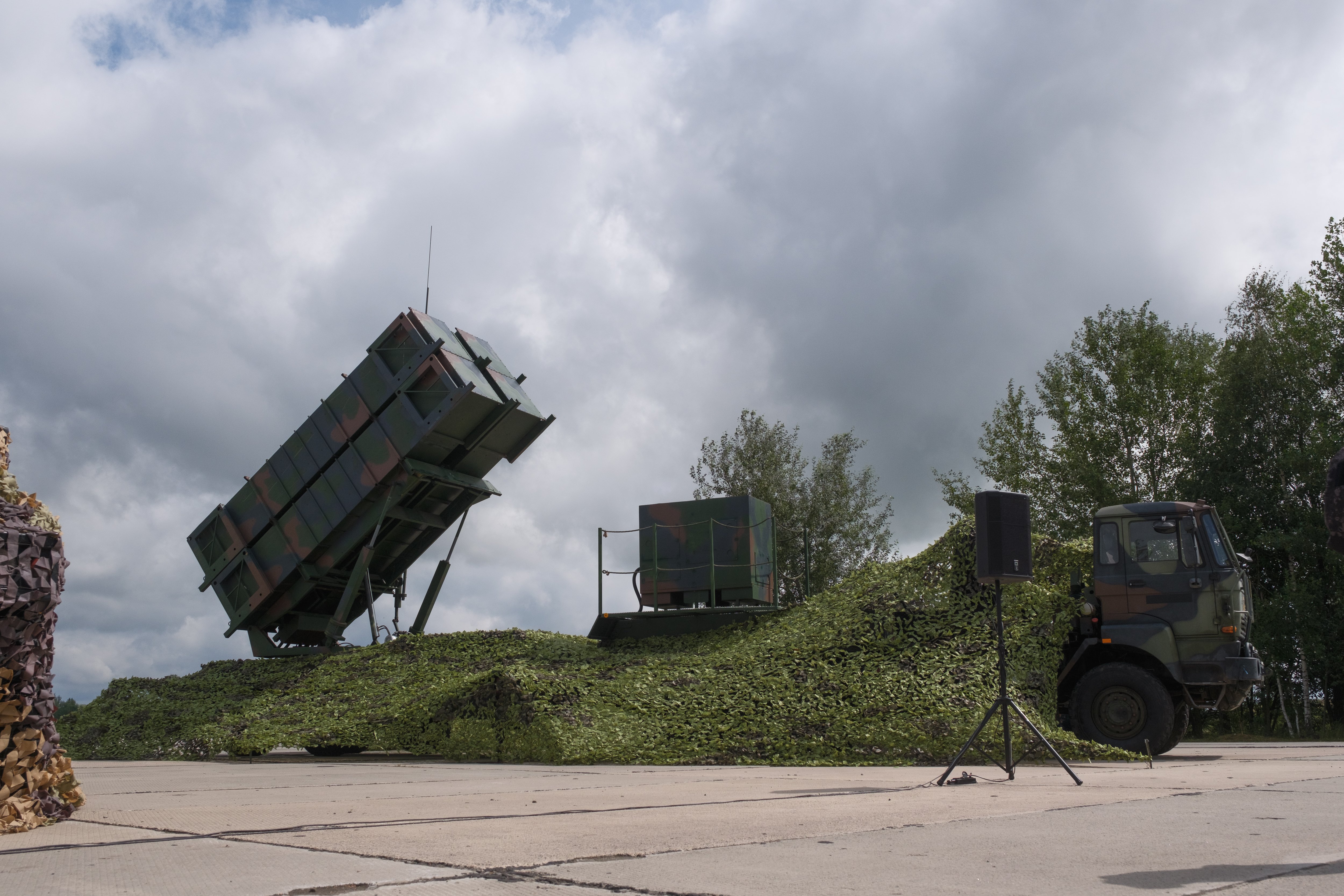
PAC-3 Edge is intended to push those capabilities further still. Lockheed says the new missile is being designed to work within the Army’s existing and future integrated air and missile defense architecture, including the Integrated Battle Command System (IBCS) and the M903 Patriot launcher. The company has also identified containerized launchers and HIMARS Flex among the systems with which it intends to integrate the interceptor.
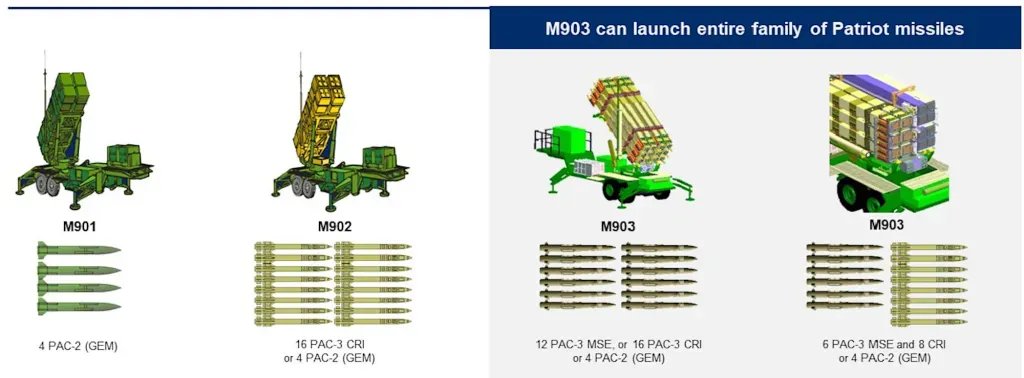
Such compatibility could allow the service to retain much of its existing infrastructure while improving the performance of the weapons used within it.
The precise extent of that compatibility, however, will depend on development, testing, and integration work that remains ahead.
Production And Cost
Lockheed is developing PAC-3 Edge as the company and the Pentagon work to expand production of the existing PAC-3 MSE.
In January, Lockheed Martin announced a seven-year agreement with the Pentagon to more than triple annual PAC-3 MSE production capacity, initially targeting an increase from roughly 600 interceptors to 2,000 a year. The effort subsequently received a major funding boost in July, when the U.S. government awarded Lockheed a contract modification worth up to $53.86 billion, bringing the total multiyear contract value to $58.62 billion. Lockheed says the effort is intended to more than triple production by the end of 2030, while expanding its workforce and investing in manufacturing infrastructure and its supply chain.
Those efforts could provide a foundation for producing PAC-3 Edge if the missile completes development and enters service. Lockheed has said the new interceptor will be manufactured on its existing PAC-3 production line in Camden, Arkansas, with factory modernization expected to support the eventual transition.
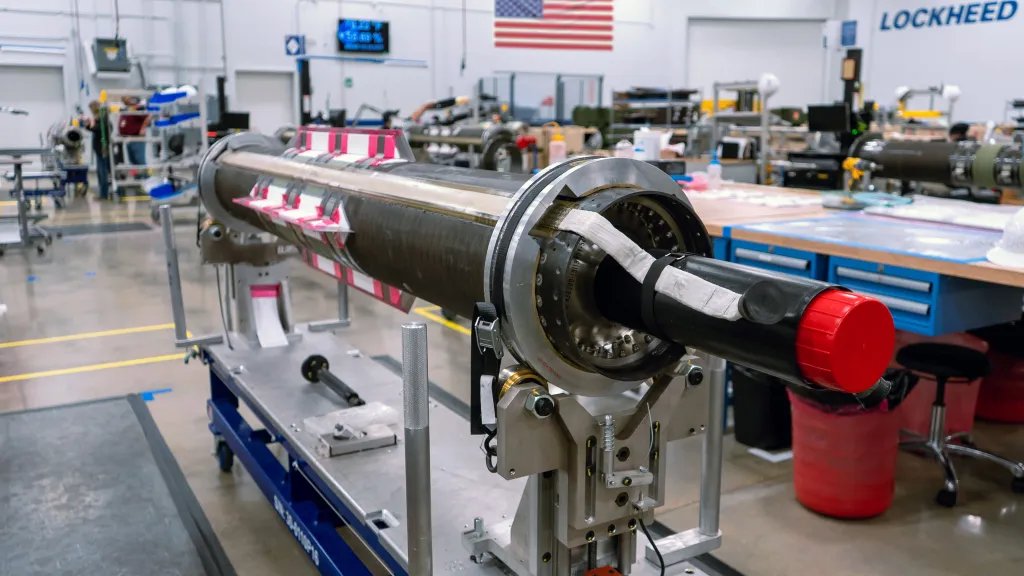
The company has also highlighted substantial internal investment in the new missile and its seeker technology. That investment could reduce development risk and give Lockheed greater control over critical components, although the program’s final cost and production schedule remain important unknowns.
The broader challenge is not simply developing an interceptor with better performance. Advanced missiles can be expensive, and air defense forces must balance the capabilities of individual weapons against the number they can afford to procure and keep available. Sustained combat operations can rapidly consume interceptor inventories, making production rates and replacement costs central considerations.
Tim Cahill says the company has also identified the opportunity to mix and match components between PAC-3 Edge and other missile offerings from Lockheed Martin. “We are getting increasingly modular, and increasingly we’re mixing and matching pieces and parts,” he said.
Ultimately, if it chooses PAC-3 Edge, the U.S. government will decide exactly how to handle production of the PAC-3 MSE and the new missiles. “We would expect the typical thing is you’ll feather them, so you would expect that over time MSEs would come down,” Cahill continued. “We’re still talking, seven, eight, nine, 10 years away. You would expect that the Edge production would go up, but there’s plenty of capacity in the factory to manage whatever surges are going to be needed there.”
At the same time, it should be noted that Lockheed Martin is also working on a lower-cost PAC-3 development, the PAC-3 Adapted Capability Effector (ACE). The company says that this interceptor will cost less than half as much as the PAC-3 MSE, meaning it would have a price tag of around $2.5 million. The company says that the PAC-3 ACE will preserve two-thirds of the capability of the the PAC-3 MSE had says it has already generated considerable international interest.
Future Interceptor Competition
Lockheed has confirmed that it is one of two companies selected to continue in the Army’s Future Interceptor competition. The identity of the other competitor has not yet been disclosed, and the Army has not publicly provided a complete account of the competition’s requirements.
The effort follows the cancellation of the earlier Lower-Tier Future Interceptor (LTFI) program, which had involved Lockheed Martin and Raytheon. At the time, the Army opted to focus on upgrades to the PAC-3 MSE and on better integration of its existing air and missile defense systems.
— Colby Badhwar (@ColbyBadhwar) October 15, 2024
Gen Lozano, PEO Missiles & Space, tells @JenJudson that they have cancelled the Lower Tier Future Interceptor program, which would have succeeded the PAC-3 MSE. Instead they will upgrade MSE, and want to move forward with THAAD integration into IBCS. #AUSA2024 pic.twitter.com/NZMPgDH4KP
The renewed competition suggests that incremental upgrades alone may not be sufficient to address the Army’s longer-term requirements. The development of faster, more maneuverable missiles and other advanced aerial threats is driving demand for interceptors capable of operating across a wider engagement envelope.
For PAC-3 Edge, which is designed to meet theat requirement, planned 2027 testing start and 2031 deployment target leave substantial development work to complete, including demonstrating the seeker’s performance, validating the propulsion system, and proving the missile’s ability to engage representative targets.
For now, the unveiling establishes the direction Lockheed wants to take the Patriot interceptor family. Whether PAC-3 Edge can deliver the promised increase in performance, while meeting the Army’s cost and production requirements, will become clearer as the program progresses. Regardless, from what is being experienced on the battlefield, a more capable, higher-reaching Patriot would be a very welcome addition to the Army’s Patriot family.
Contact the author: thomas@thewarzone.com
The post PAC-3 Edge Will Be The Most Capable Patriot Interceptor Ever appeared first on TWZ.