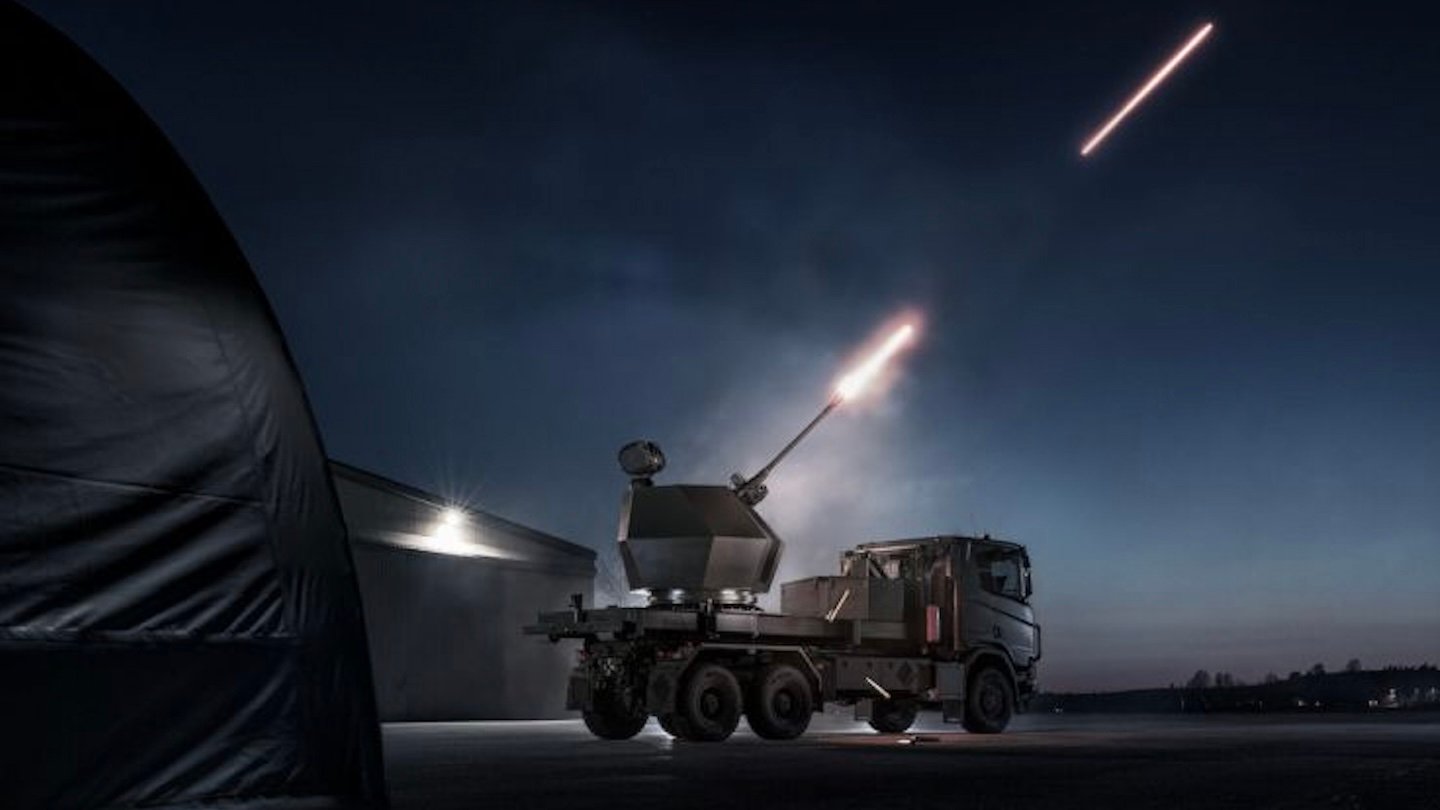
The United Kingdom could be heading toward its most significant expansion of ground-based air defense in generations, under a plan announced by the Conservative Party. For now, however, with the Conservatives in opposition, the proposed £10 billion (about $13.3 billion) “Britannia Shield” exists only as a policy commitment rather than an approved government program. At the same time, it highlights the seriousness of U.K. military deficiencies in this area, as the threat from the air continues to grow.
Today the @Conservatives are announcing ‘Britannia Shield’ – our £10bn plan to protect the UK from drone & missile attack. This is only possible because @KemiBadenoch is willing to take tough decisions to fund 3% on Defence. pic.twitter.com/tLrF2KSOHw
— James Cartlidge MP
(@jcartlidgemp) October 6, 2026
The proposal will move into the U.K. Ministry of Defense acquisition system if the party returns to government following the next general election and then follows through on the funding and procurement decisions required to turn the pledge into an operational capability. The party has proposed spreading the investment over a decade, with an initial capability intended to emerge during the first term of a future Conservative government and the wider network established after that.
Britannia Shield comes with the character of the air threat facing Europe having changed dramatically over the last decade. Russia’s war in Ukraine has demonstrated the scale at which relatively inexpensive drones can be employed alongside cruise and ballistic missiles, while recent fighting in the Middle East has clearly shown the costs involved in maintaining a sophisticated, layered air defense system under sustained attack. At the same time, the threat is no longer confined to weapons fielded by major state militaries. Small, widely available drone technologies can be weaponized with relative ease by non-state actors, providing a cheap and potentially highly scalable means of attack.
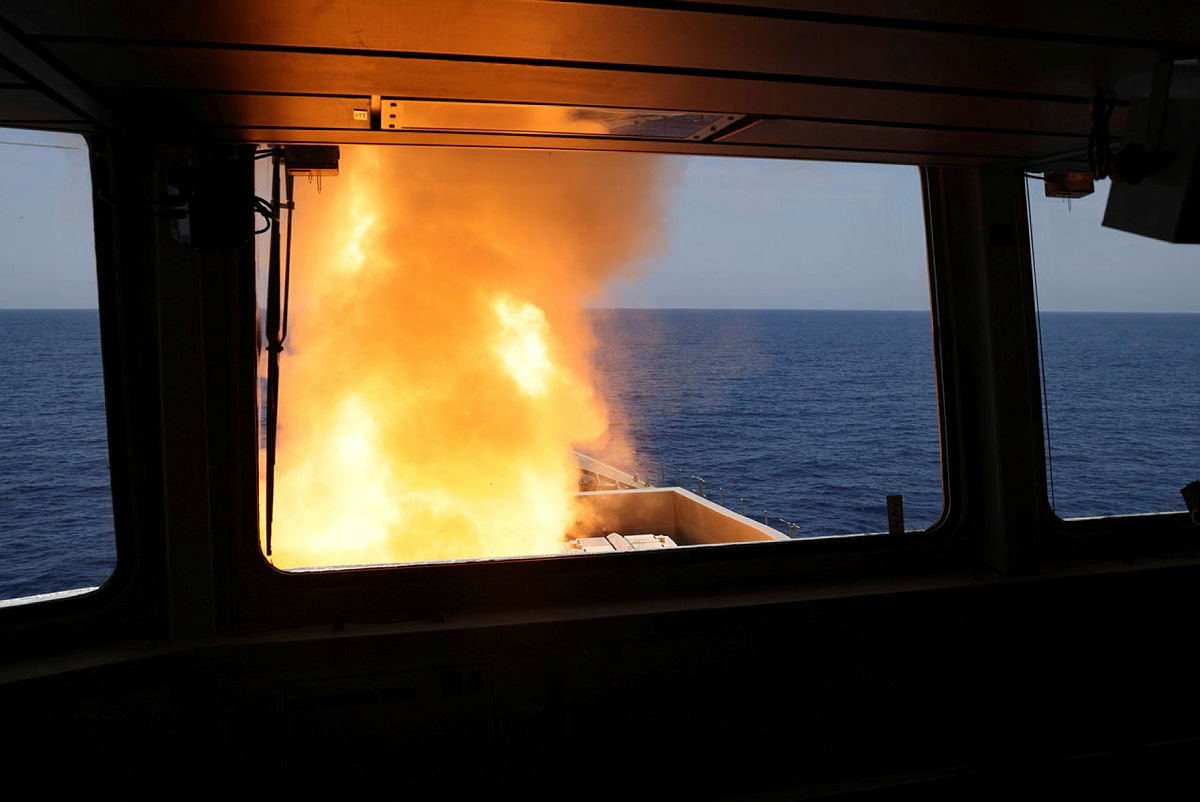
For Britain, which has traditionally relied heavily on fighter aircraft, naval air defense, and the protection provided by geography and NATO, it is increasingly doubtful whether those capabilities provide enough coverage for the infrastructure that would be most important to keep functioning during a major conflict.
While a party press release refers to it directly, Conservative leader Kemi Badenoch has made efforts to distinguish Britannia Shield from a British version of Israel’s Iron Dome.
Iron Dome has become one of the best-known elements of Israel’s layered air defense network, having been developed primarily to deal with short-range rockets, artillery, and mortar rounds threatening populated areas. The system has evolved, however, and newer configurations can also engage threats including cruise missiles and drones. Importantly, Israel’s Iron Dome systems protect a country a twelfth of the size of United Kingdom and deal with only a portion of the potential threats in critical areas.
Mention should also be made of the U.S. Golden Dome missile defense initiative, which envisions integrating sensors, interceptors, and other defensive capabilities as part of an enormous architecture with a greater emphasis on protecting the U.S. against a range of aerial and missile threats, up to and including intercontinental ballistic missiles.
Talking to the BBC, Badenoch argued that Britain does not face the same kind of persistent rocket and missile threat as Israel and therefore does not require an equivalent level of coverage. Instead, the Conservative proposal is intended to combine improved radar, command and control, interceptor missiles, and counter-drone capabilities into an integrated network designed around the threats Britain is considered most likely to face.
Britain already has some of the components that such a system could leverage. Royal Navy Type 45 destroyers — when they are available — provide a highly capable long-range air-defense layer through Sea Viper missiles, while the Army’s Sky Sabre system uses CAMM missiles for shorter-range engagements. The RAF provides combat aircraft and airborne surveillance capabilities, and Britain is integrated into NATO’s wider air and missile defense architecture. The problem is that these capabilities were not designed to provide a dense, permanent defensive umbrella over critical infrastructure, and the ground-based component in particular remains relatively limited when compared with the scale of the potential target set. There is also the reality that these assets are required to defend locales far from the British Isles themselves.
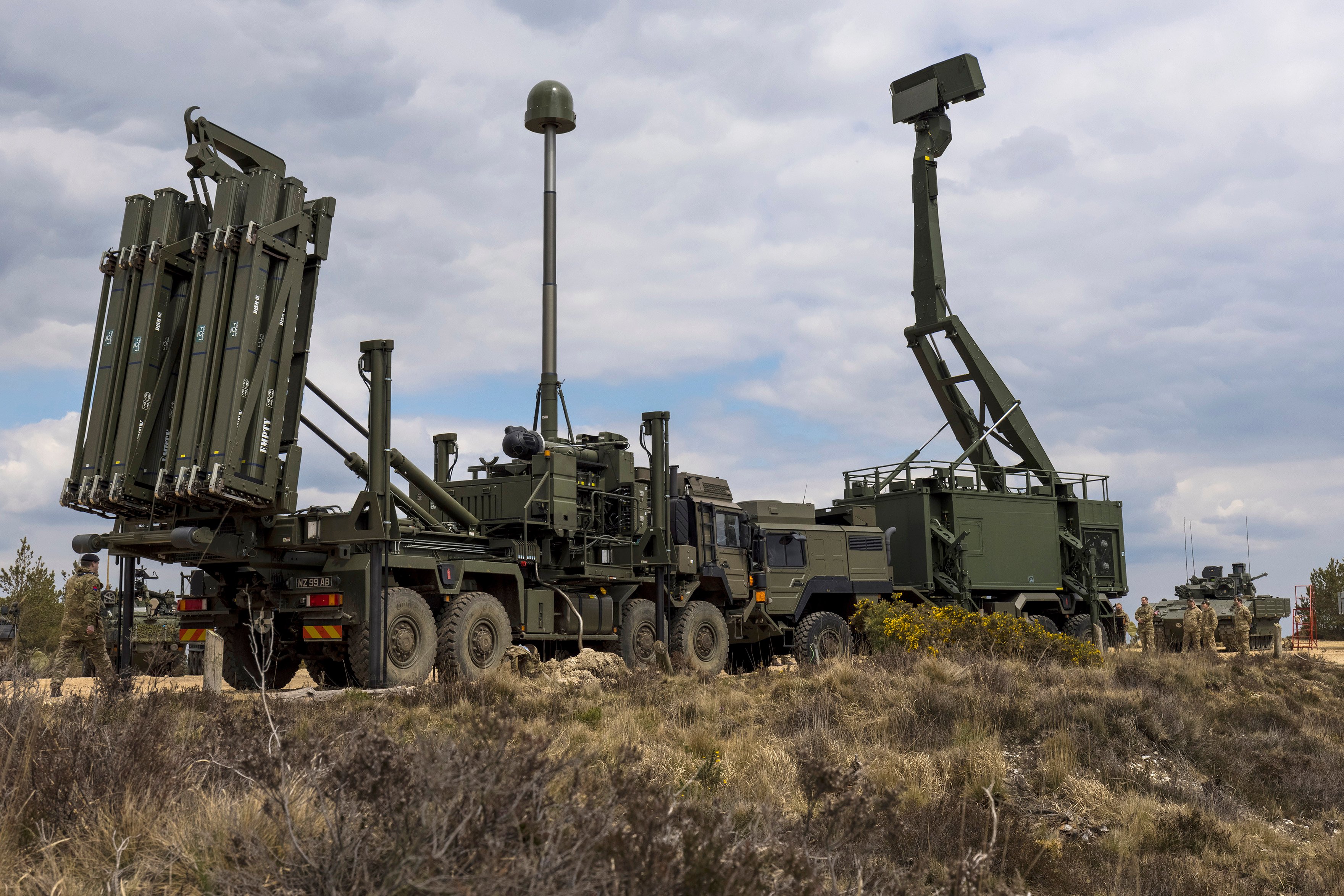
The government’s own 2025 Strategic Defense Review acknowledged that changing threat environment, allocating up to £1 billion in new funding for homeland air and missile defense and calling for improvements to the United Kingdom’s wider integrated air and missile defense architecture. Britannia Shield would therefore be a much larger political commitment to expanding and integrating capabilities that already exist, while adding new layers intended to deal with the growing drone and missile threat.
The £10 billion figure provides little idea of the scope of capabilities. The scale of the proposed system will determine whether that additional money represents a major expansion or simply the beginning of a much larger requirement.
Gen. Sir Richard Barrons has previously estimated that an entry-level system of the kind outlined could cost around £80 billion over a decade, illustrating how quickly the cost can rise once the requirement expands from protecting selected sites to providing something approaching comprehensive national coverage.
Badenoch’s description of the threat instead points toward a system in which Britain would identify the infrastructure and military facilities most important to national resilience and then build increasingly dense layers of protection around them. That would include major airbases, ports, energy infrastructure, communications facilities, and other critical nodes, rather than attempting to create a continuous defensive bubble over the entire country.
Such a system would also have to account for the fact that the location of the launch platform can be as critical as the weapon itself. Badenoch described a scenario in which an adversary could operate in the English Channel to launch drones or missiles against targets in Britain. The resulting reduction in warning time would place greater demands on sensors and command systems, but it would also mean that the defensive problem could begin well before an incoming weapon reached British airspace. Maritime surveillance, intelligence collection, fighter aircraft, and naval forces could all potentially contribute to detecting or disrupting a launch platform before it had the opportunity to fire.
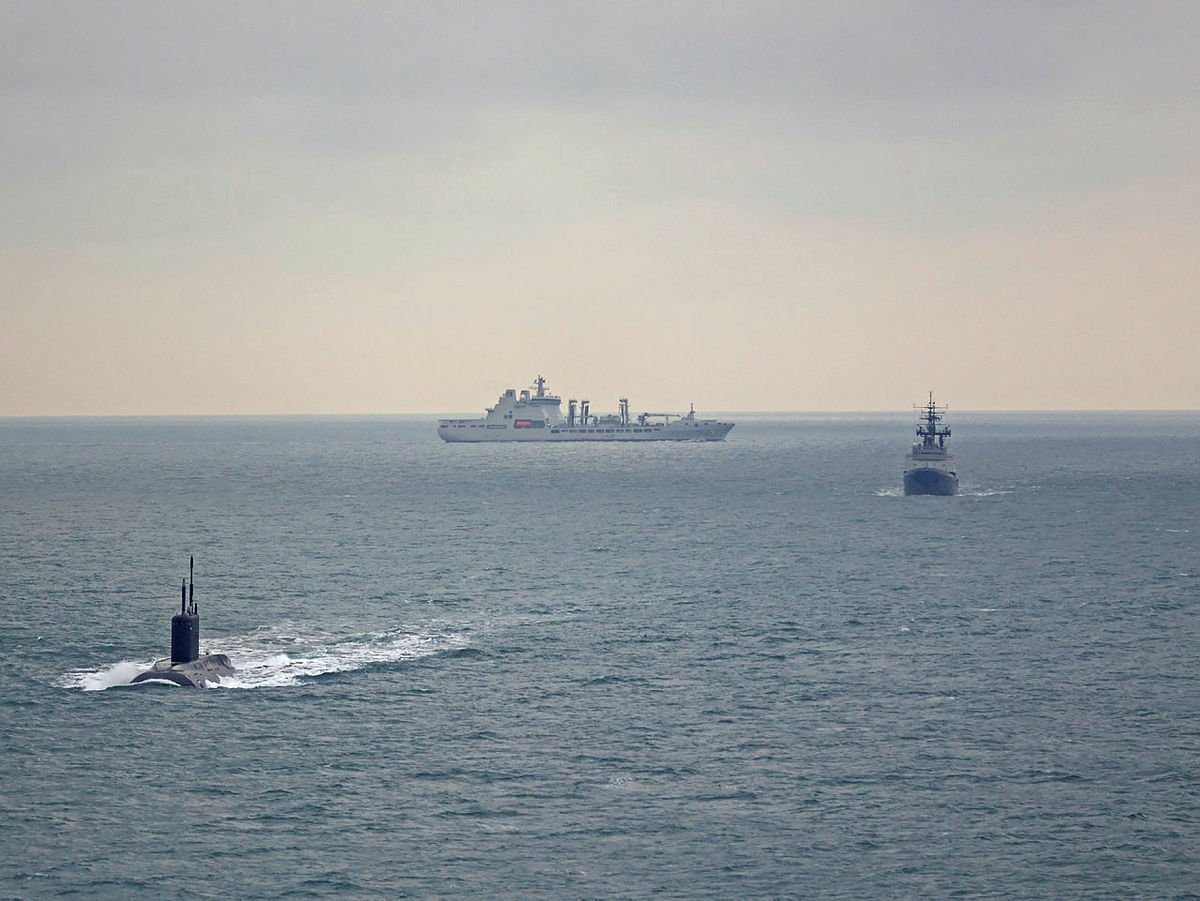
That broader approach is particularly important because the economics of countering drones are fundamentally different from those associated with conventional air defense targets. A system that responds to inexpensive drones by firing a sophisticated interceptor costing hundreds of thousands or millions of dollars would rapidly become unsustainable during a large attack. Any serious British architecture would therefore need several layers, with electronic warfare, guns, low-cost interceptors, and other counter-drone systems, potentially including directed-energy weapons, dealing with the lower end of the threat wherever possible. Meanwhile, more expensive surface-to-air missiles would be preserved for cruise missiles, aircraft and other targets that cannot be economically engaged by cheaper means.
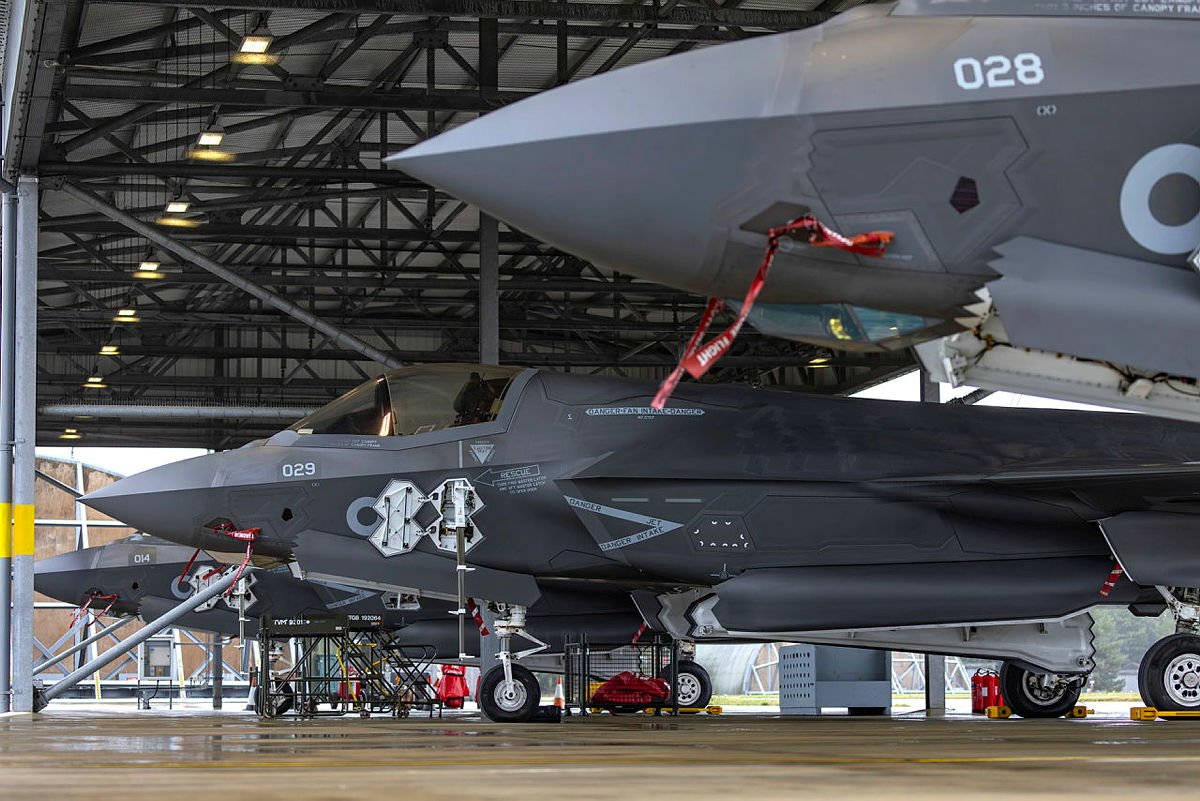
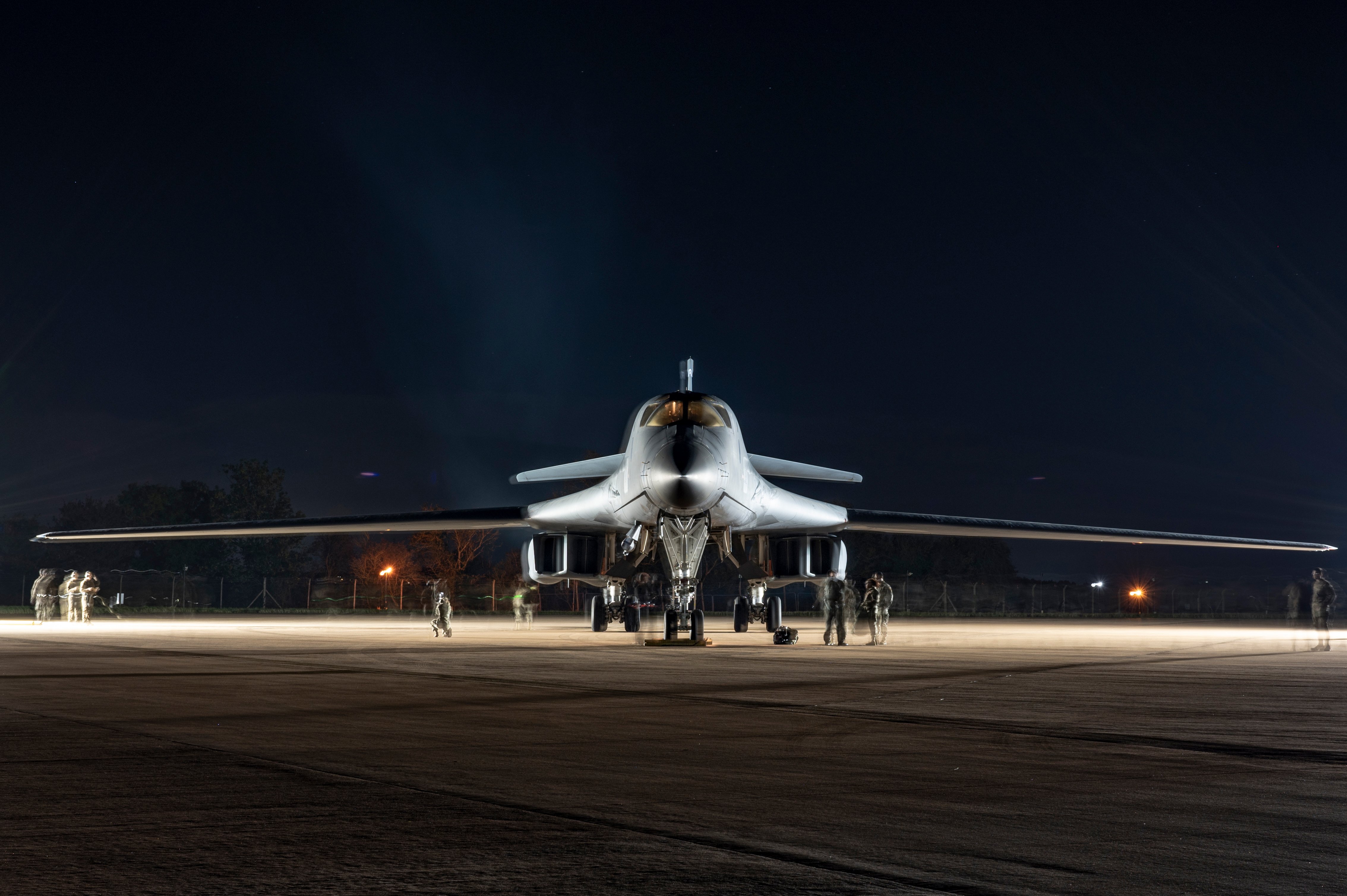
The recent situation at RAF Fairford adds another dimension to that problem. The United States recently withdrew a dozen B-1 bombers from the Gloucestershire base amid reported concerns about a possible Iran-backed attack, after U.S. officials said commanders had received new information about a potential plot. British authorities maintained that the base was safe, while British sources reportedly questioned whether Iran could reproduce the kind of complex operation carried out by Ukraine against Russian airfields in 2025. The episode nevertheless demonstrated the degree to which even a major military installation can become a concern when an adversary is believed to be looking for unconventional ways to reach it.
That brings Operation Spiderweb into the discussion, although there is no public evidence that Iran is preparing a comparable operation against Britain. Ukraine’s June 2025 attack was prepared over roughly 18 months and involved small drones being moved deep into Russia inside containers carried by trucks before being launched remotely against military airfields. The operation illustrated that once relatively cheap drones have been positioned close to their targets, the defender may have little opportunity to intercept them through traditional long-range air defense means. This is exactly a scenario we have been warning of for many years.
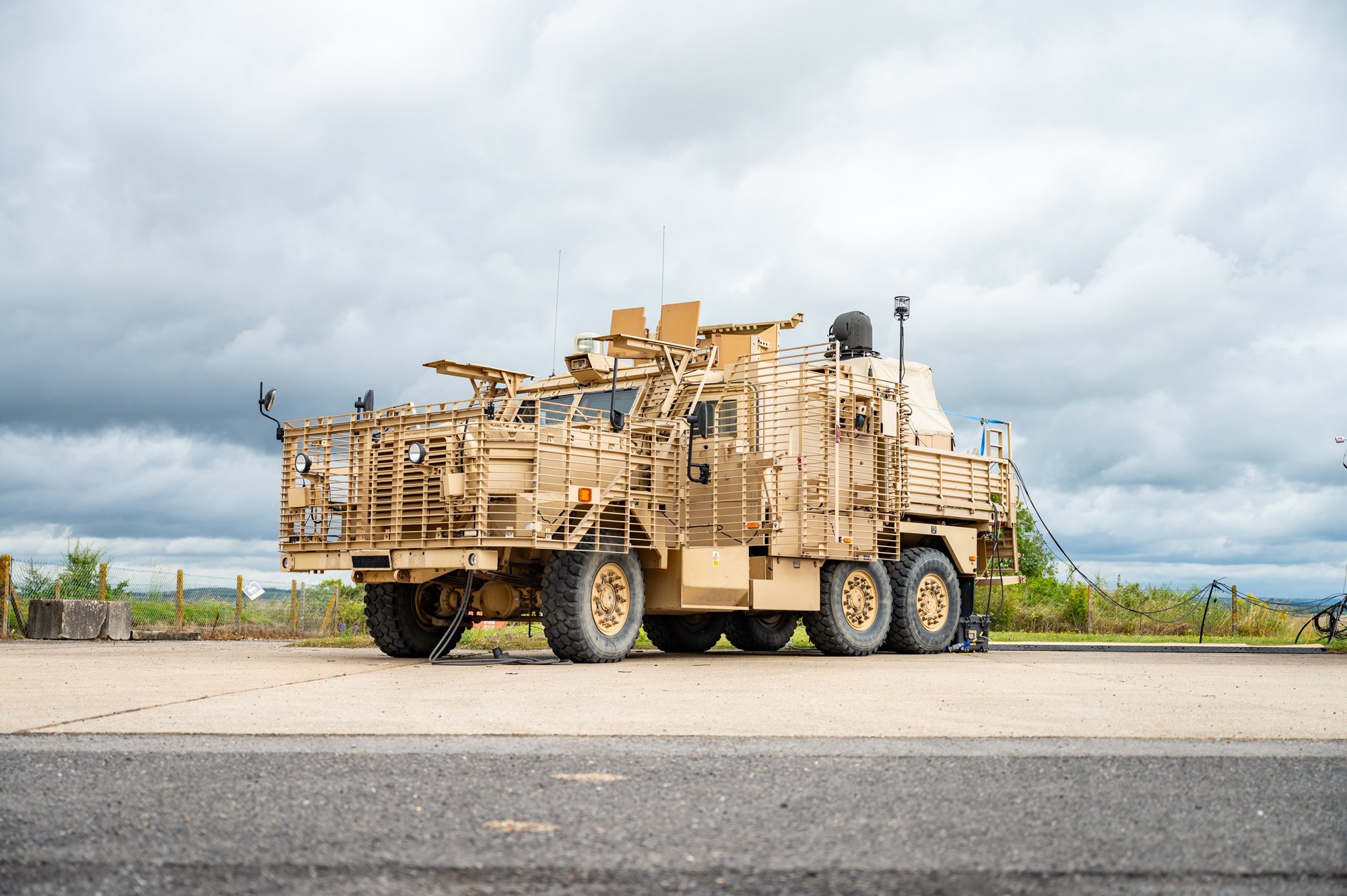
For Britannia Shield, that means protecting an airbase such as RAF Fairford cannot simply be a matter of installing missile batteries. Physical security, counter-intelligence, surveillance of access routes, low-level drone detection, electronic warfare and the ability to identify suspicious activity before an attack begins would all become part of the same defensive problem. Hardened infrastructure would also be essential, helping to protect aircraft, fuel, munitions, command facilities and other critical assets from attacks that penetrate the outer layers of the defense. The distinction is increasingly important as military aircraft themselves become more valuable and as relatively inexpensive unmanned systems demonstrate their ability to threaten aircraft on the ground without ever having to penetrate the surrounding air defense network.
The new British proposal also becomes more complicated because its intended coverage extends beyond the British mainland. Badenoch has specifically referred to defending installations in Cyprus and the Falkland Islands, which introduces a very different set of operational and logistical requirements. A network supporting critical infrastructure in Britain can draw on dense communications infrastructure, nearby industrial support and the wider NATO system, whereas a defensive capability at RAF Akrotiri or in the Falklands requires its own radar coverage, launchers, personnel, ammunition stocks, and sustainment arrangements. Extending the same architecture across those locations would therefore consume considerably more resources.

A similar problem exists with ammunition stocks. Ukraine has repeatedly demonstrated that sophisticated air defenses can come under sustained pressure during large missile and drone attacks, while Western countries have struggled to replenish some categories of precision-guided weapons at anything approaching wartime consumption rates. A British system that looks impressive on paper but has only a small stockpile of interceptors would provide much less meaningful protection during a prolonged campaign, particularly if an adversary deliberately attempted to exhaust the defenses through repeated attacks using inexpensive drones.
Ukraine also offers lessons for how Britain could organize such a network. Mobile air defense teams, distributed sensors, acoustic detection systems, and digital applications that connect air defense operators with military units and civilian spotters have all become increasingly important in Ukraine, where defenders have had to detect and respond to large numbers of drones and missiles across a wide area. There are echoes here of the distributed air defense networks developed during the World War II, when observers, radar operators, fighter controllers, and anti-aircraft units were linked together to provide early warning and direct defensive responses. As in 1940, Britain would need an air defense network that is distributed, mobile, and adaptable to new threats.

The most revealing details of Britannia Shield are yet to be provided. The number of defended sites, the types and numbers of radars, the number of launchers, the size of interceptor stocks, and the proportion of the budget devoted to counter-drone capabilities all remain unclear for now. The same applies to the money required for training, maintenance, software, communications, and replenishment across the life of the system.
There is also a straightforward political limitation to the proposal. The Conservatives have pledged to invest in Britannia Shield as part of a broader plan to increase defense spending, but that money is not currently sitting in a government procurement account waiting to be spent and defense budgets are increasingly stretched by other big-ticket programs. The Conservatives would first have to return to government, establish the program as a formal requirement, and then make the associated spending and procurement decisions. Even if those steps were taken quickly, the most capable elements of the system would take years to design, procure, integrate, and deploy.

Whether £10 billion would ultimately be sufficient depends on the mission the future government assigns to the system. If Britannia Shield were expected to provide nationwide protection against sustained attacks involving ballistic missiles, cruise missiles, and large numbers of drones, the budget would fall far short, particularly once interceptor stocks and long-term sustainment are included. If it is designed as a layered network protecting a defined group of critical infrastructure sites and military bases, integrated with the RAF, Royal Navy, Army, and NATO systems already in place, the proposal becomes more realistic, but it wouldn’t address higher-end threats, like longer-range ballistic missiles.
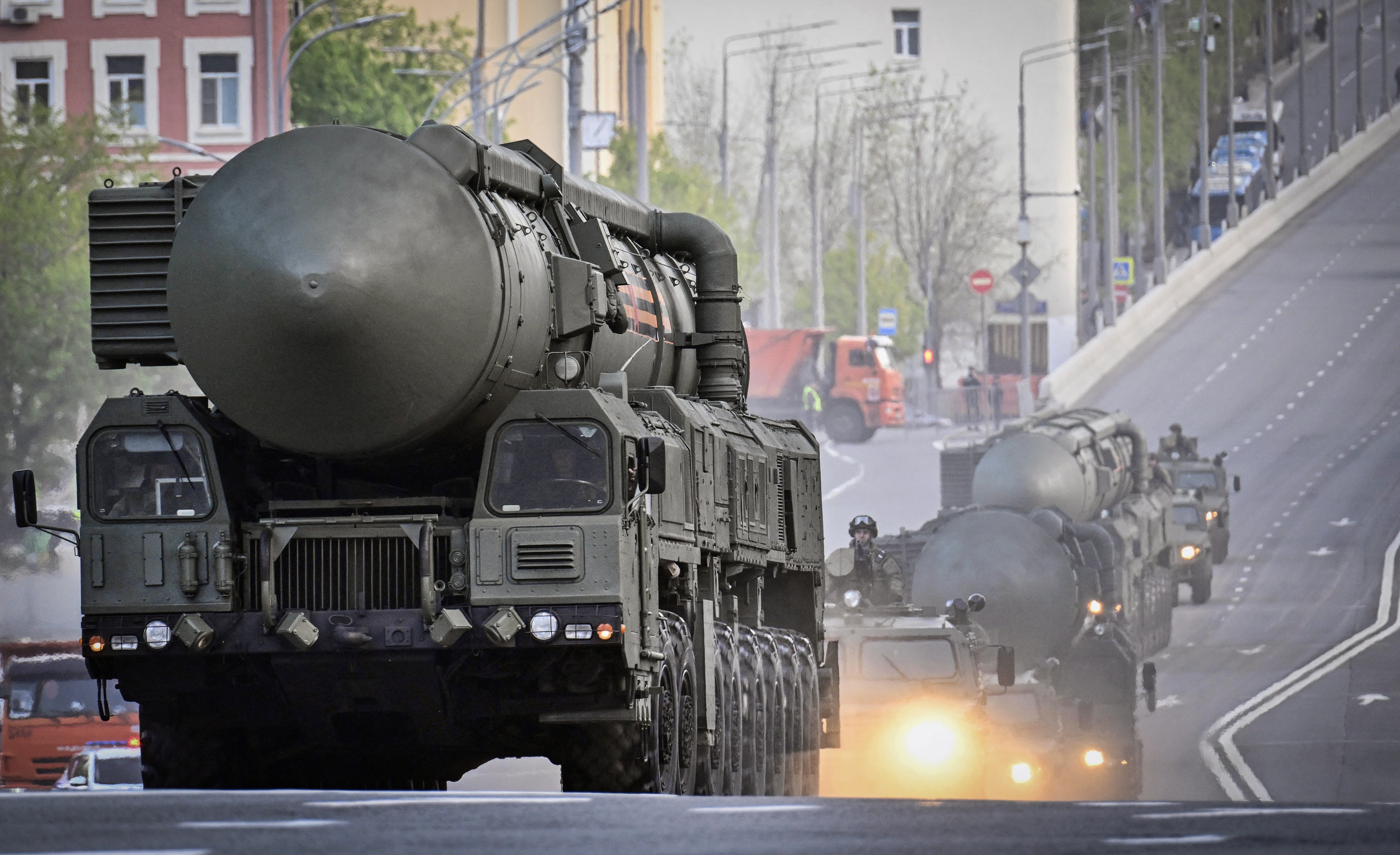
That limitation is particularly significant when considering Russia, which remains the most serious military threat to the United Kingdom and its European allies. From what we know so far, Britannia Shield is heavily focused on drones and shorter-range missile threats, but Russia possesses a much broader strike arsenal that includes ballistic missiles, cruise missiles, and hypersonic weapons. A British air defense program that concentrates primarily on the lower and middle tiers of the threat therefore leaves a significant gap at the upper end of the spectrum.
The United Kingdom is also not considering this problem in isolation. Across Europe, governments are increasingly pursuing multinational efforts to strengthen air and missile defenses, as the return of large-scale state-on-state warfare and the experience of the war in Ukraine have made the vulnerability of European infrastructure and military forces much more tangible. Nearly three decades after the end of the Cold War, ballistic and cruise missile defense has once again become a central European security requirement. Britannia Shield would therefore need to be considered not only as a national counter-drone and air-defense program, but as part of a much broader European effort to rebuild layered air and missile defenses against the full range of modern threats.
The experience of Ukraine and the Middle East suggests that Britain is unlikely to solve this problem simply by buying more surface-to-air missiles. Increasingly, air warfare relies on complex networks that find the attacker, identify the weapon, choose the appropriate response, and undertake this all at a cost that can be sustained throughout a conflict. That network also has to extend beyond the airspace itself, because the threat may involve a launch platform approaching the coast, a drone operator operating near a military installation, or small drones already hidden inside the defender’s security perimeter.
With their proposed reorientation of Britain’s air defense priorities, the Conservatives have put a financial value and a recognizable name around a capability gap that has become increasingly difficult to ignore. If they return to government, there will be many tougher questions to address, including which sites should receive protection, how many layers are required, how much ammunition must be held in reserve, and how the system can be sustained on a wartime footing.
The recent concerns surrounding RAF Fairford, together with the lessons of Operation Spiderweb, underline why that question is becoming more complicated. The next serious attack on a British military installation may not arrive as a large formation of aircraft or a visible wave of missiles crossing the Channel. It could involve a mixture of long-range weapons, cheap drones, electronic warfare, and hybrid warfare activity taking place much closer to the target. A future Britannia Shield would have to be designed around that reality, and would come with a price tag to match.
Contact the author: thomas@thewarzone.com
The post Glaring Holes In UK Air Defense Take Center Stage In New “Britannia Shield” Proposal appeared first on TWZ.