Lockheed Martin has unveiled a modular airframe concept for its stealthy and combat-proven AGM-158 Joint Air-to-Surface Standoff Missile (JASSM) family that could support multiple configurations, launch methods, and sensor packages while making use of the existing JASSM and Long-Range Anti-Ship Missile (LRASM) production infrastructure. Highly survivable, the missiles are an incredibly important and staple weapon for the U.S. military, and for select export customers.
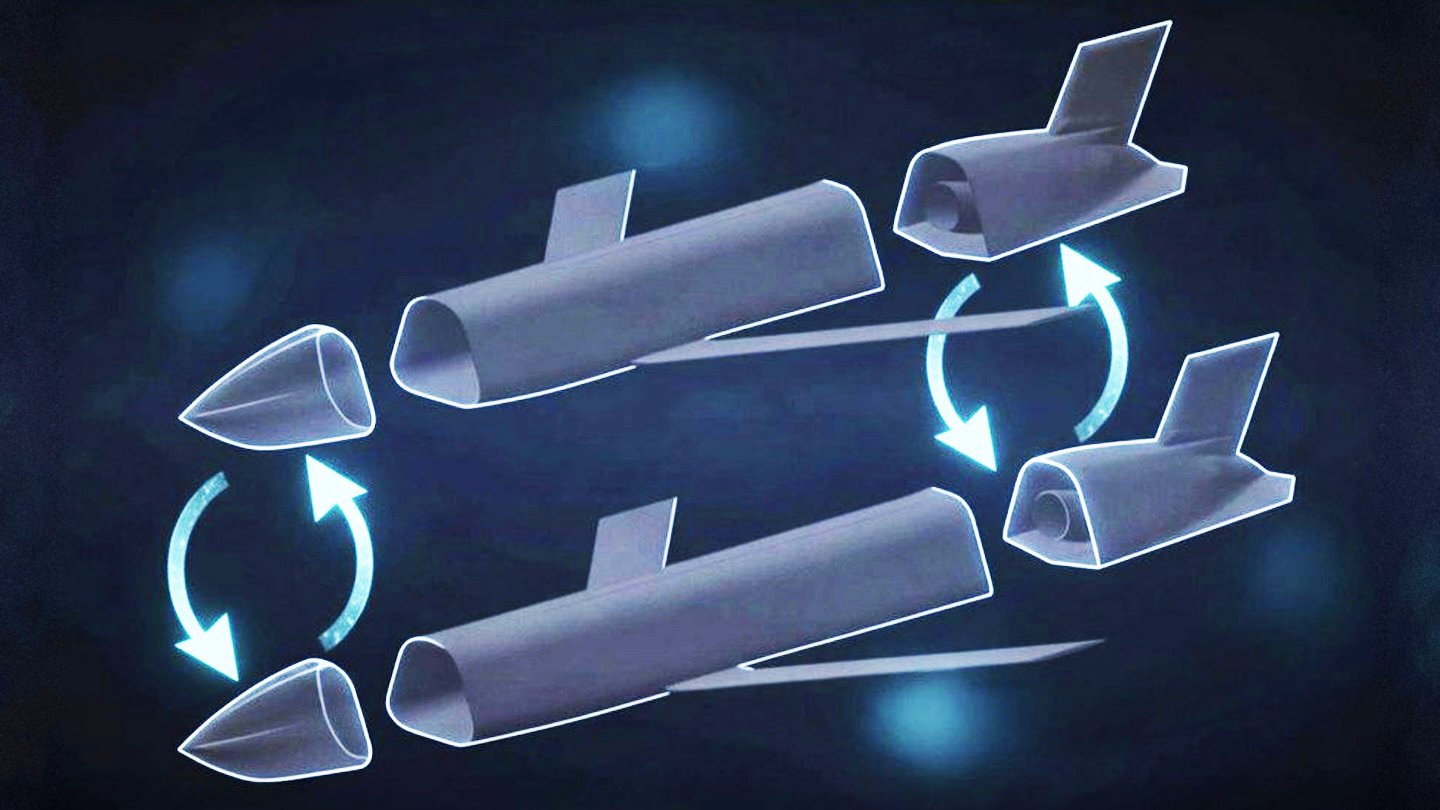
Called AGM-158 FLEX, the new concept is centered on a common airframe with interchangeable components. Lockheed Martin says it has invested more than $35 million of its funds in the effort so far, including airframe design, testing, prototype production, subsystem qualification, and work with suppliers.
The company says the FLEX design will use removable nose sections that can accommodate sensor suites associated with the AGM-158 family. A removable boat tail would allow the same basic airframe to be configured for different launch methods, including air, surface, and subsurface launch. That would open the AGM-158 architecture up to ground-, ship-, and submarine-launched applications, although Lockheed Martin has not provided details on the specific launchers, platforms, or configurations envisioned. It’s worth noting the LRASM has been tested in vertical launch configuration for vessels equipped with the Mk 41 launch system.
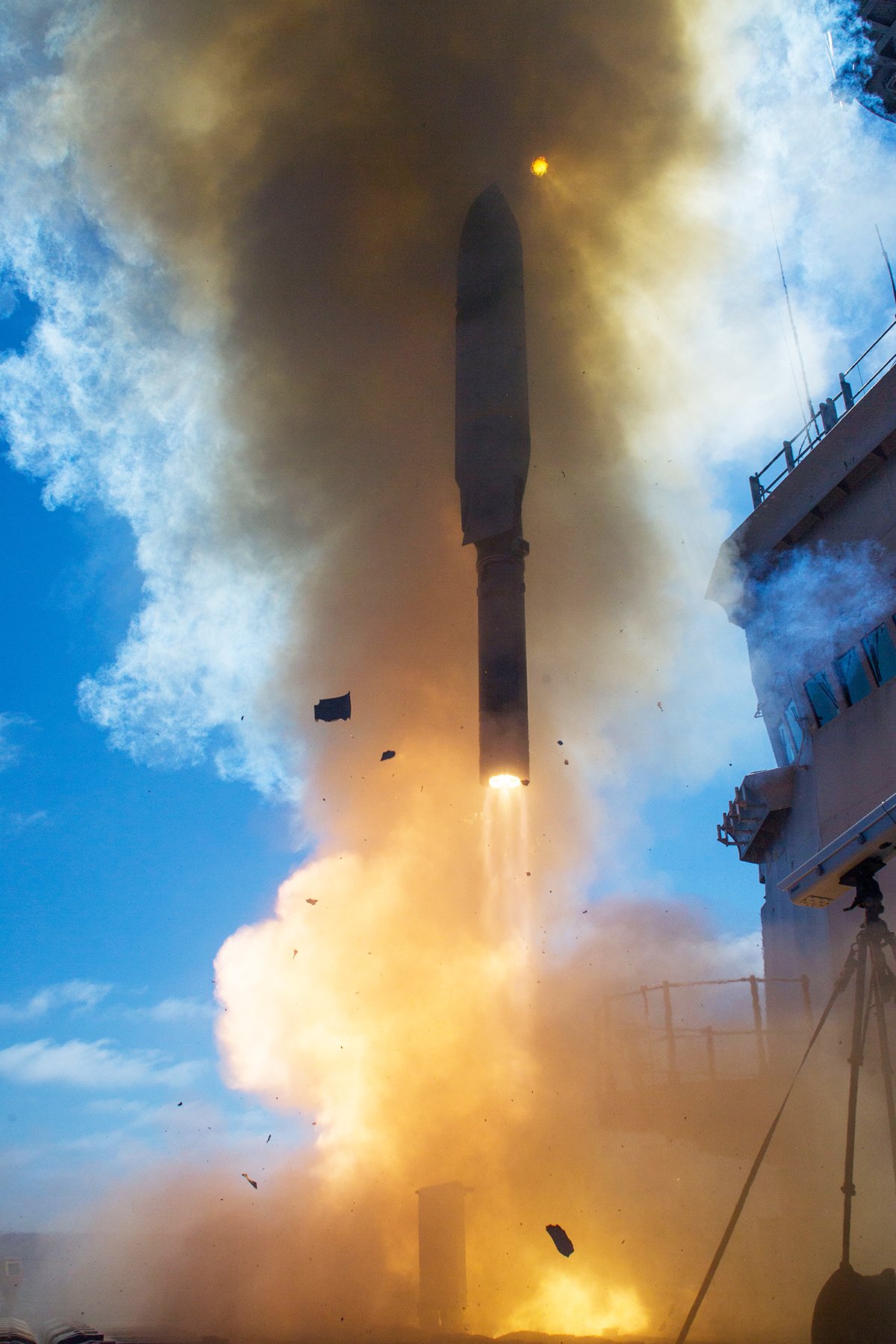
In addition to the Navy vertical launch tests, the idea of moving the JASSM family beyond its traditional combat aircraft launch platforms is not new. The Air Force’s Palletized JASSM concept, better known as Rapid Dragon, has demonstrated the ability to deploy JASSM-ER from palletized launchers carried inside cargo aircraft, using an expendable airdrop system. FLEX takes a different approach by building those kinds of launch options into the airframe architecture itself, with modularity supporting various launch configurations for the same basic weapon.
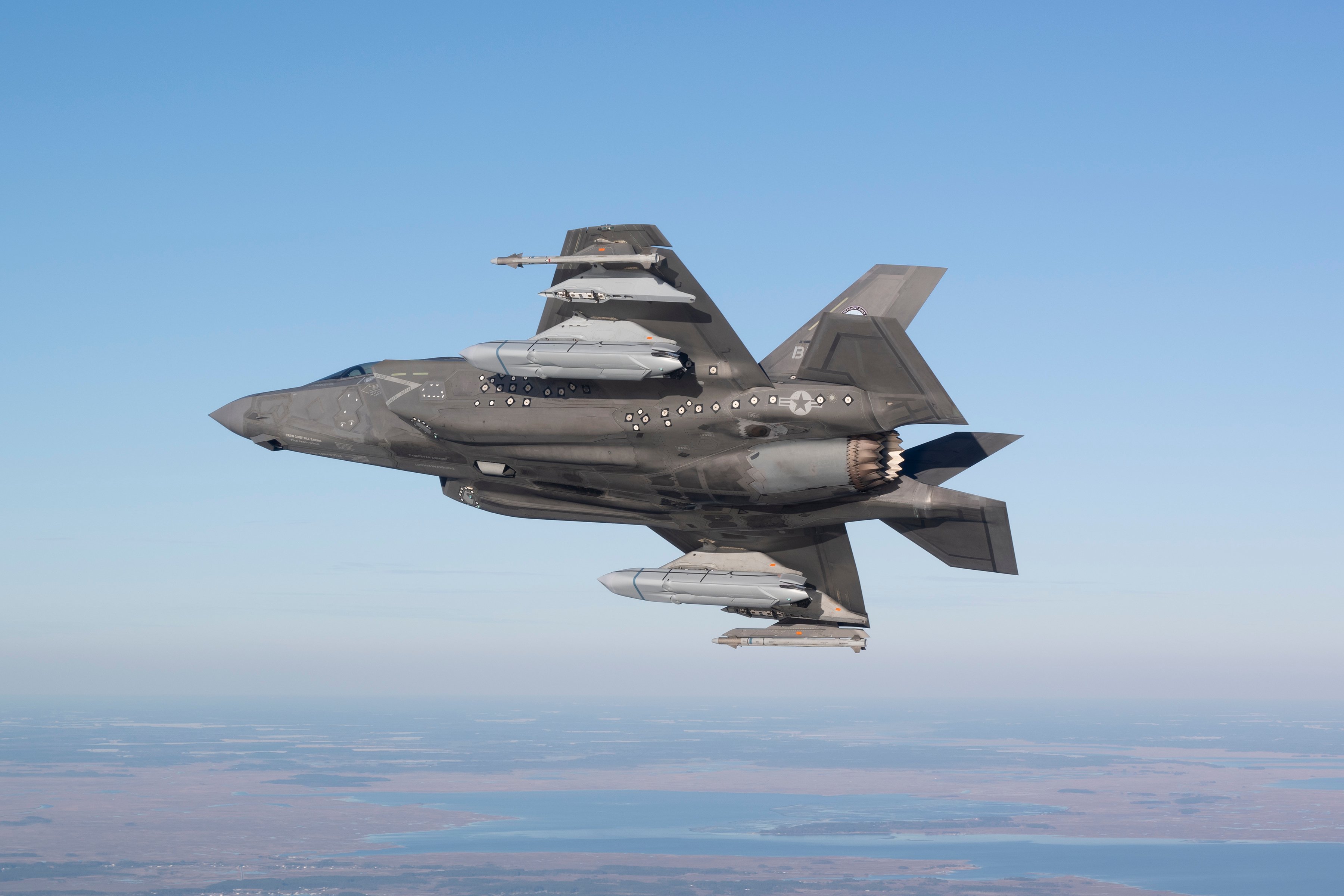
For aircraft-launched weapons, Lockheed Martin says FLEX will retain compatibility with current and future JASSM and LRASM launch platforms.
The company is also proposing multiple airframe lengths. A 206-inch configuration is associated with the supersized JASSM-XR, while a 168-inch version is consistent with the dimensions of JASSM-ER. Lockheed Martin says JASSM-XR will be the first configuration of the FLEX airframe.
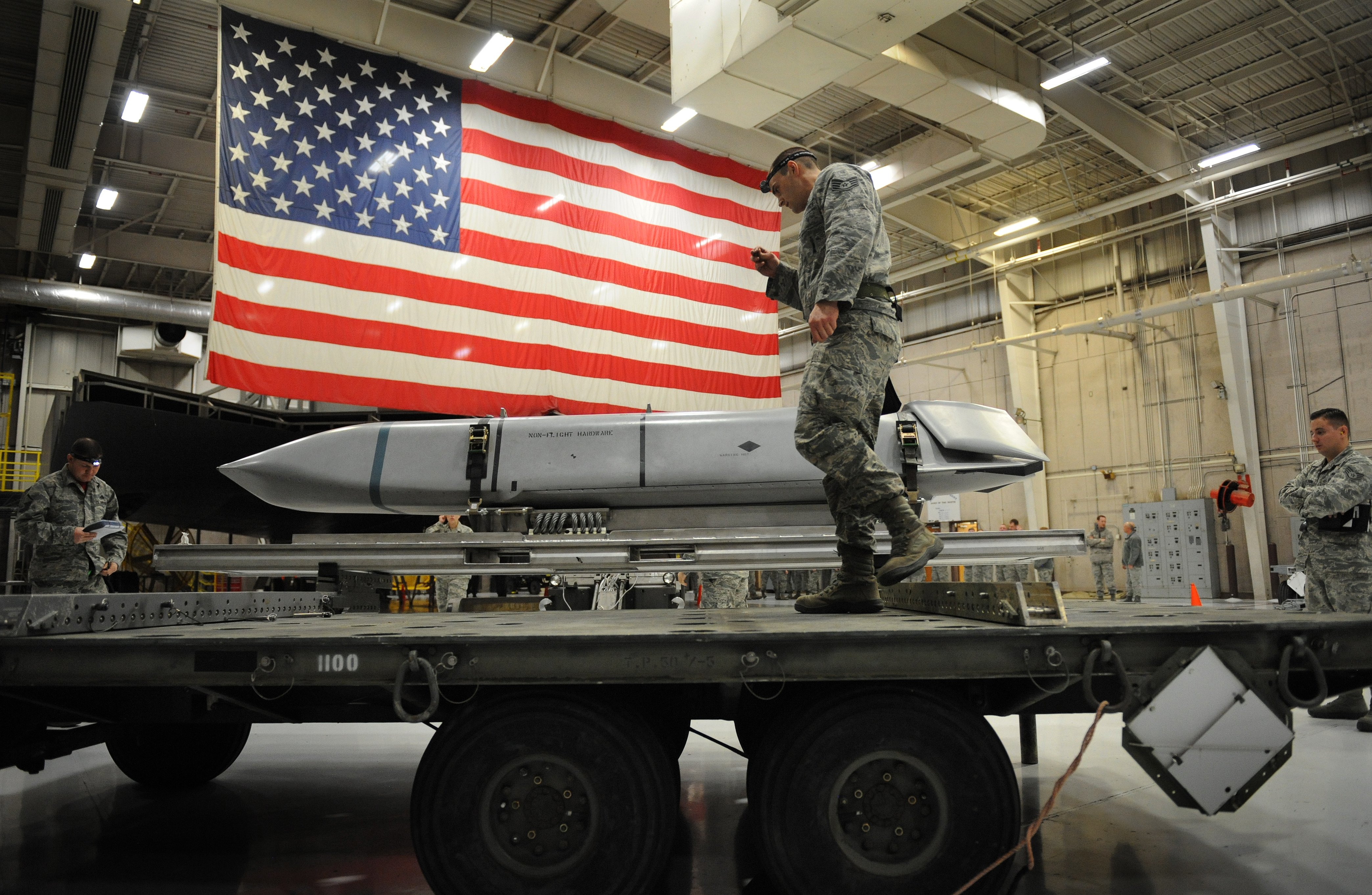
The AGM-158 family has already grown well beyond the original JASSM. The AGM-158A is the baseline stealthy air-launched land-attack missile, with a publicly reported range of roughly 230-330 miles, while the AGM-158B JASSM-ER uses a more efficient engine and additional fuel to roughly double that reach, to around 575 miles or more.
Alongside the land-attack variants is the AGM-158C LRASM, which uses the JASSM airframe but substitutes a sophisticated imaging infrared anti-ship seeker, electronic support measures, datalink, and other capabilities, for operations against heavily defended surface combatants.
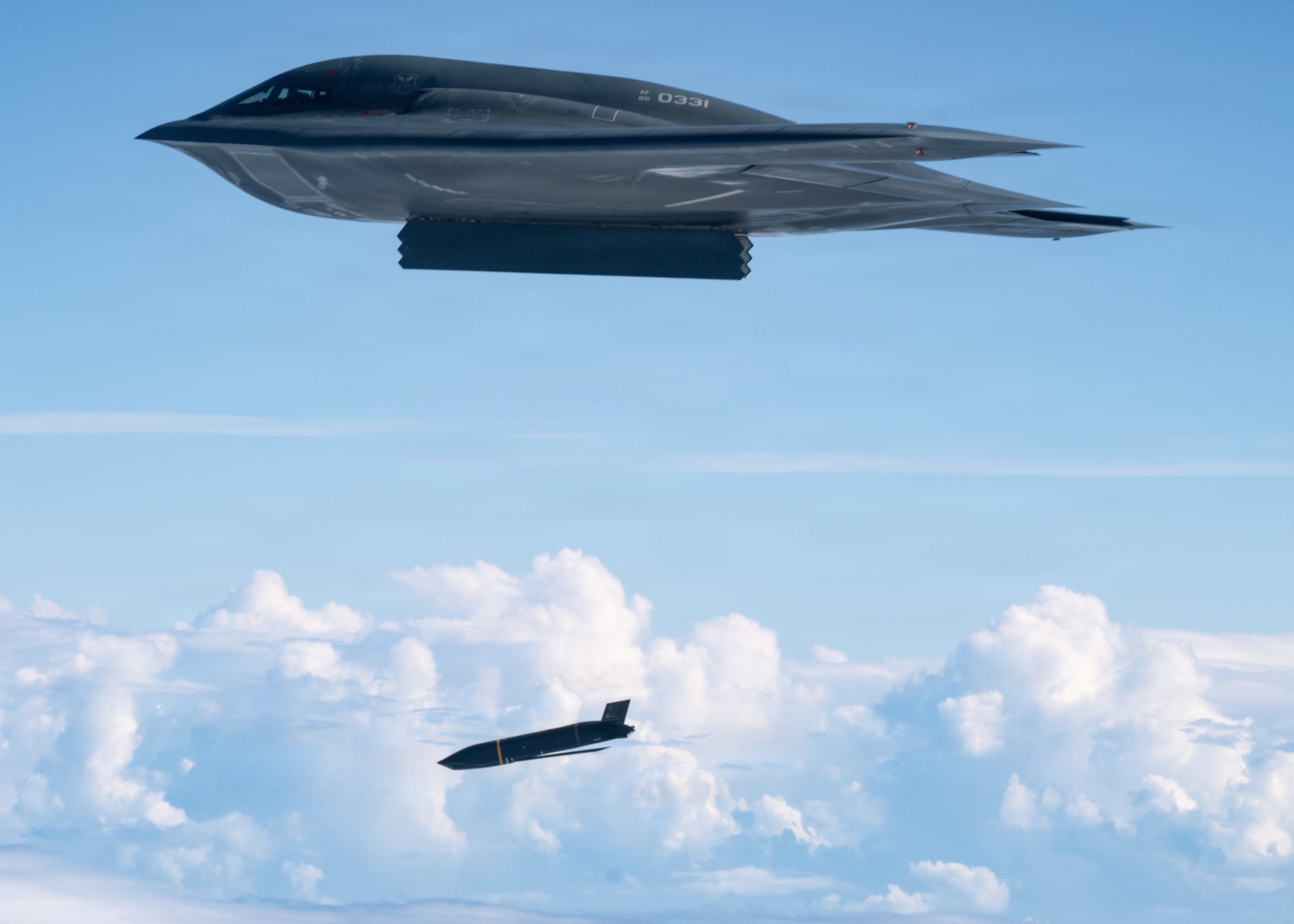
Finally, the much larger JASSM-XR is being developed with a substantially stretched fuselage to carry more fuel and a larger 1,000-pound-class warhead, with a range expected to approach or exceed 1,000 miles. This would give it a similar striking capability as the Tomahawk cruise missile, although in a stealthier package.
Beyond range and launch options, the company is pitching its new FLEX concept as a way to simplify future upgrades. Components could be replaced as they become obsolete or new capabilities become available without necessarily requiring a completely new missile design.
That approach could have an industrial-base advantage, particularly as the United States seeks to increase production of long-range weapons. Lockheed Martin says FLEX would use the existing JASSM/LRASM production line, supply chain, mission-planning infrastructure, and software ecosystem rather than establishing an entirely new manufacturing and support architecture.
The company says its JASSM/LRASM production infrastructure includes a 225,000-square-foot facility opened in 2022 with increased automation and a robotic paint line.
Notable, however, is the fact that FLEX is being proposed at a time when the U.S. Air Force is pursuing affordable mass as a key priority.
For example, as part of a slew of low-cost cruise missile offerings, the service has been moving ahead with the Extended Range Attack Munition, or ERAM, a new air-launched missile explicitly intended to provide a relatively low-cost, rapidly producible standoff weapon. The Air Force conducted a live-warhead ERAM test in January of last year, less than 16 months after the program received its initial contract, and described the weapon as a means of generating mass against fixed targets. ERAM is understood to have a range of between 150 and 280 miles, putting it below the reach of the baseline JASSM, let alone the JASSM-ER or XR.

However, the emerging class of lower-cost weapons are intended very much more to complement than compete with JASSM. While the Air Force plans to buy thousands of the cheaper missile, the JASSM will still be needed to take up the higher end of the cost and capability list.
Lockheed Martin mentions that FLEX should “unlock future cost savings,” but this more about giving customers the ability to swap out components and upgrade capabilities on existing missile rounds, to avoid obsolescence, rather than facilitate mass production.
As it stands, JASSM has evolved into a family of increasingly capable and longer-range weapons, but those capabilities necessarily come with a different set of cost and production considerations than a weapon designed from the outset around large-scale production. Lockheed Martin’s announcement does not disclose a target unit cost for FLEX, nor does it explain how the eventual cost of a FLEX-derived weapon would compare with a baseline JASSM or LRASM. The unit price of the latest subvariants of the JASSM-ER is around $1.2 and $1.5 million, according to official budget documents.
The new weapon is a way of getting more variants and launch options out of the established JASSM/LRASM architecture, potentially with less development work than creating entirely new weapons. Whether that translates into enough savings or production capacity to satisfy the military’s growing demand for large numbers of standoff weapons remains to be seen.
For Lockheed Martin, the proposal also offers a way to extend the relevance of the AGM-158 family as the company and the Pentagon pursue additional range, new launch platforms, and potentially new launch methods.
The flexibility of the missile could be particularly relevant to the Agile Combat Employment concept, and the wider U.S. military in the Indo-Pacific, where forces are expected to operate from a larger number of dispersed and potentially austere locations. A common missile architecture that can be adapted to different launch platforms and different target sets could allow weapons to be positioned and employed across a distributed force rather than tying particular missile variants to particular launchers.
The original JASSM/LRASM has also become a significant export weapon, with Australia, Finland, Poland and several other U.S. allies cleared to acquire variants of the missile. While the advanced capabilities of the weapon have seen its export opportunities carefully controlled, FLEX could potentially open up the market to more customers, including less-advanced, ‘sanitized’ versions.
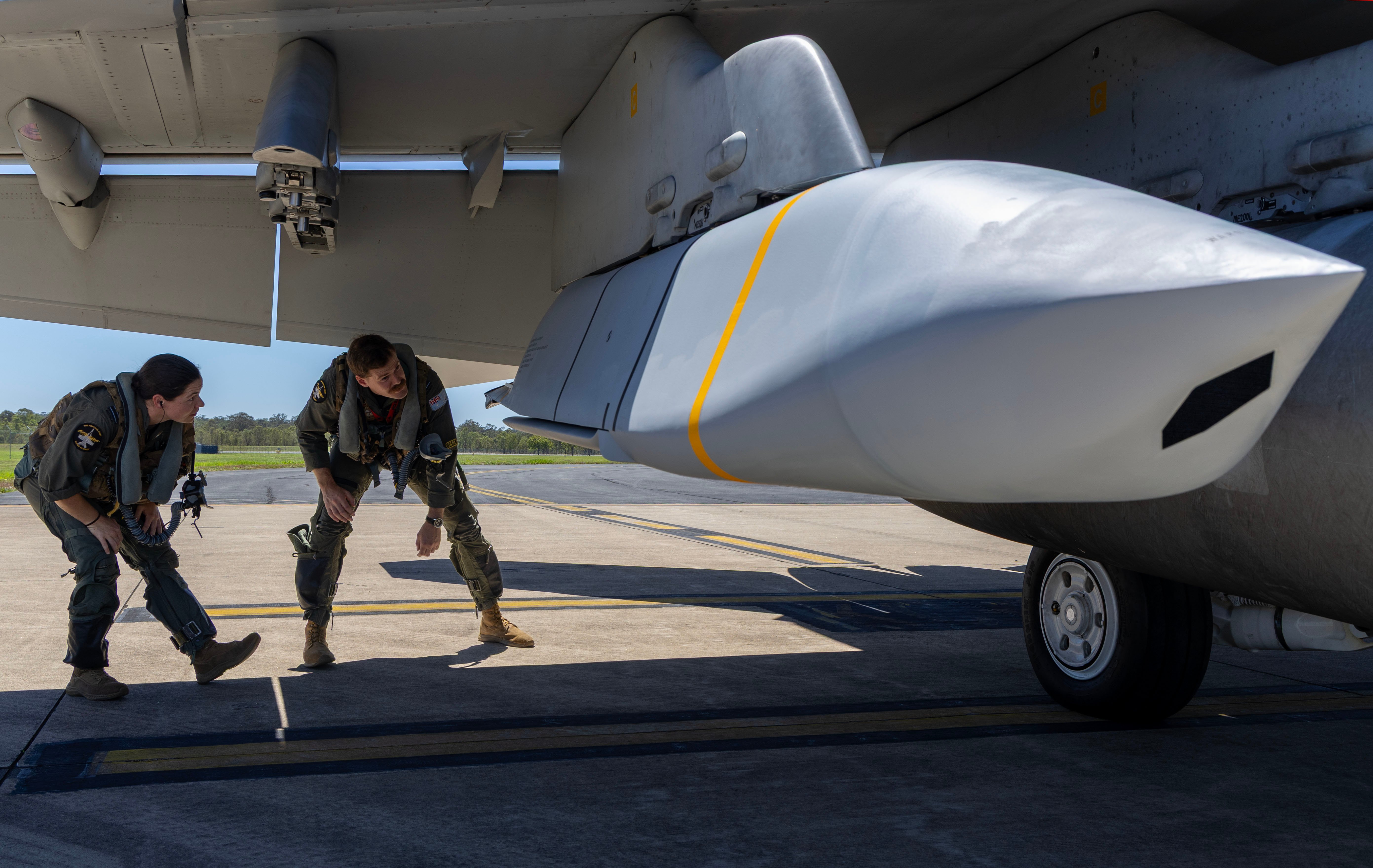
Lockheed Martin’s announcement provides few details on FLEX’s eventual cost, production rate, schedule, or specific performance beyond the stated airframe dimensions. For now, the concept demonstrates that the company is seeking to create a more adaptable architecture around an established missile family, one that has played a critical role in numerous operations since its introduction.
Contact the author: thomas@thewarzone.com
The post Lockheed Flexes To Modular AGM-158 JASSM Missile Concept appeared first on TWZ.