Data centers have become the face of AI backlash, with celebrities, politicians and protesters pushing to slow their growth.
Why it matters: America's sharply rising public opposition to data centers — which fuel our everyday use of the internet — could pose an existential threat to AI's growth.
State of play: There are at least 4,000 data centers nationwide, with some 3,000 under construction or planned.
- The centers are often big, windowless warehouses with few people in sight, and many are developed in secrecy.
Driving the news: Data centers have become a focus of anti-AI sentiment, with 70% of Americans opposing their construction.
- Former NFL star Jason Kelce announced a partnership between his Garage beer company and Liquid Death to encourage Americans to send actual urine to data centers in protest at their water use.
- Nationwide, Republicans are warning that toxic views of U.S. data centers are directly impacting political outcomes, potentially upending years of support from the GOP and investors for their construction.
Zoom out: Data centers have long existed. But the ones helping train AI models are not your grandparents' data centers.
How data centers work (a simple explanation)
How it works: Data centers typically house rows of powerful computers called "servers," which help us stream videos, search the internet, email and play online games.
- Servers generate a lot of heat. The buildings require cooling technology and large amounts of water to keep the computers from overheating.
Data centers are the infrastructure behind the internet and the cloud.
- Want to watch Netflix, send an email or scroll Facebook? All of these apps rely on the computers stored in data centers.
- This means your phone doesn't need the space and memory to hold all of Netflix's library on its own.
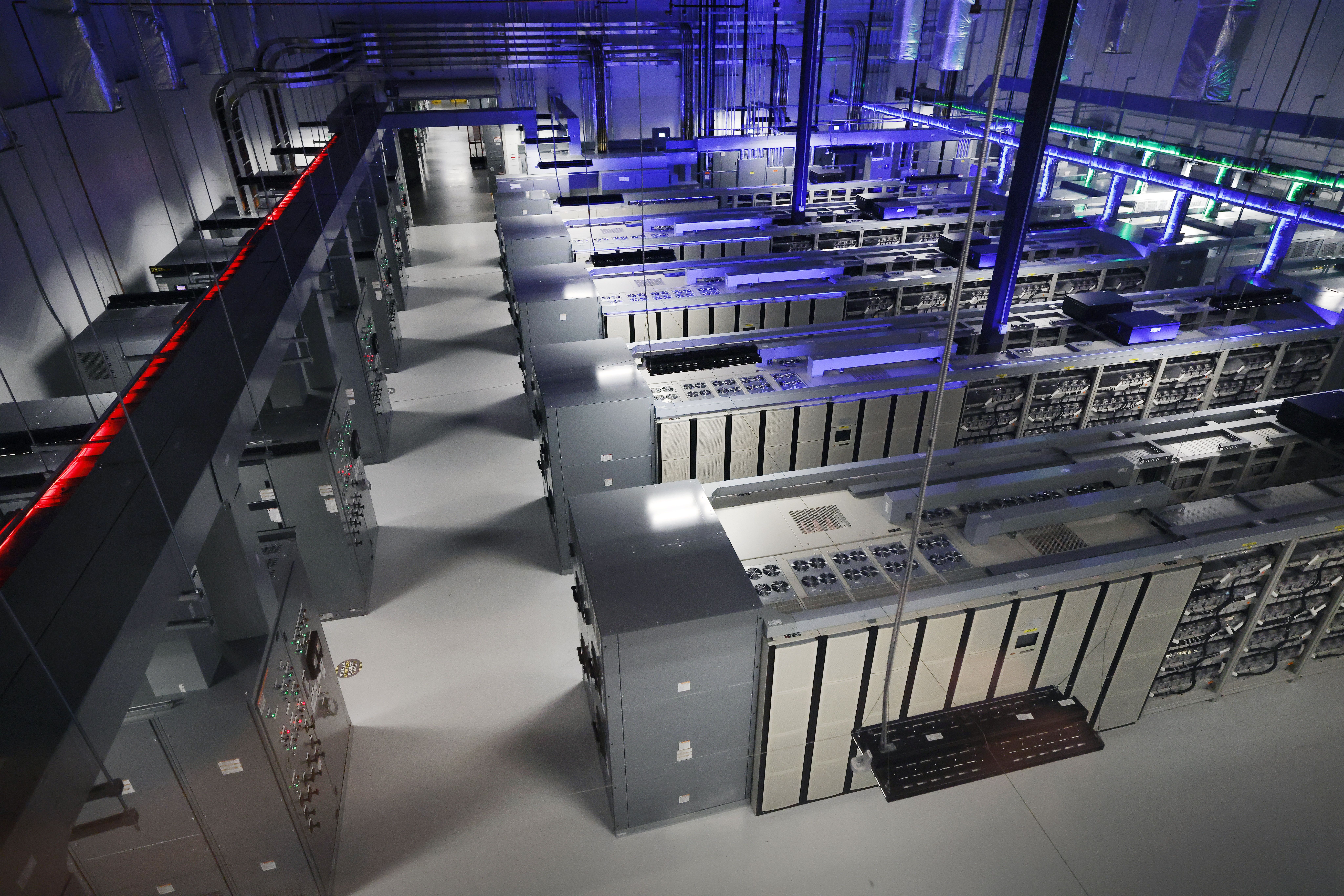
How do data centers help AI?
Newer data centers provide the computing power behind AI, requiring massive amounts of infrastructure and power.
- The servers contain specialized chips, like graphics processing units (GPUs), that perform the calculations needed to train and run AI models.
- Engineers guide the process, but the servers do most of the work.
The arguments against data centers
The criticisms are tied to water and power use, as well as effects on local environments and communities.
- The backlash has surfaced in political races in Michigan, Wisconsin, Texas and Ohio.
- Critics argue the data centers' electricity use can extend fossil-fuel demand and that their generators can create air pollution.
Zoom in: Data centers can be designed to be energy efficient. Before the AI boom, the cloud computing industry focused on renewables, building locations near wind or other power sources.
- The AI buildout has pushed some developers toward gas turbines and other fossil-fuel sources.
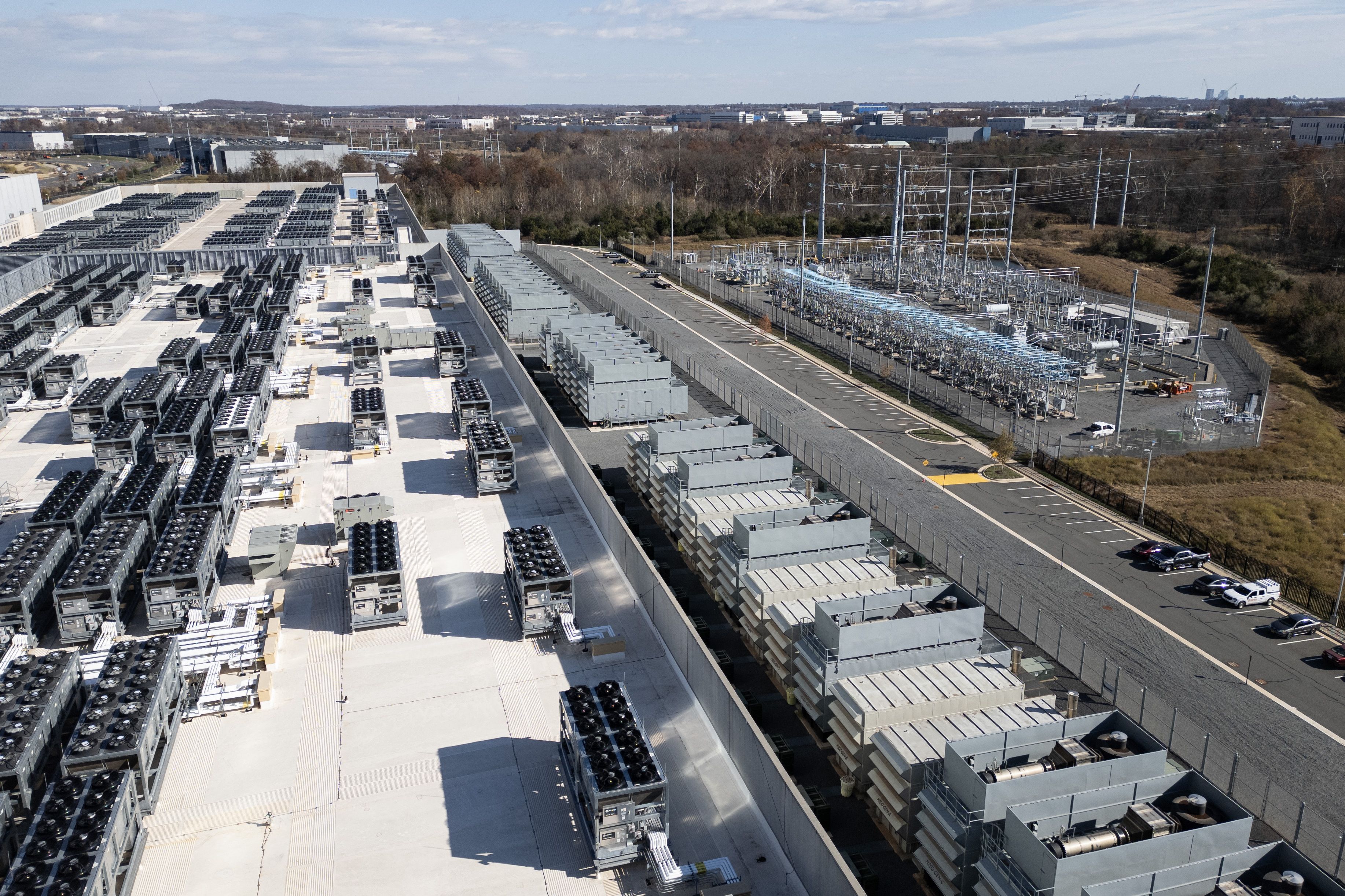
Do data centers really use that much power and water?
Friction point: Data centers' power and water use remains a core argument against their construction.
By the numbers: Globally, data centers consumed about 1.5% of global electricity use in 2024, and the IEA estimates the share will rise to 3% by 2030.
- A Berkeley Lab report updated in June estimates that U.S. data centers would consume 9.5% to 15.3% of U.S. electricity by 2030.
Data centers can need 5 million gallons of water a day for cooling alone. In 2023, U.S. data centers consumed about 17 billion gallons of water, mostly for cooling, according to the Berkeley Lab report.
- The Berkeley Lab says data centers also have an indirect water footprint of about 211 billion gallons to help produce the electricity that's consumed by data centers. The footprint varies by region.
Yes, but: Newer closed-loop designs can reuse water, cutting consumption.
- And, compared to other industries, data centers use far less water nationally.
- The cattle industry, power plants, residential water use, golf courses and steel production all use more water, per data reported on by Axios' Amy Harder.
What's next in the data center fight
The bottom line: Big Tech companies are all-in on getting data centers built.
- Nvidia, which designs the GPUs, is throwing billions of dollars into funding the infrastructure.
- Tech companies are working to charm local communities to make sure the projects are built.
What we're watching: How the backlash evolves and whether it becomes a major issue in the midterms and beyond.