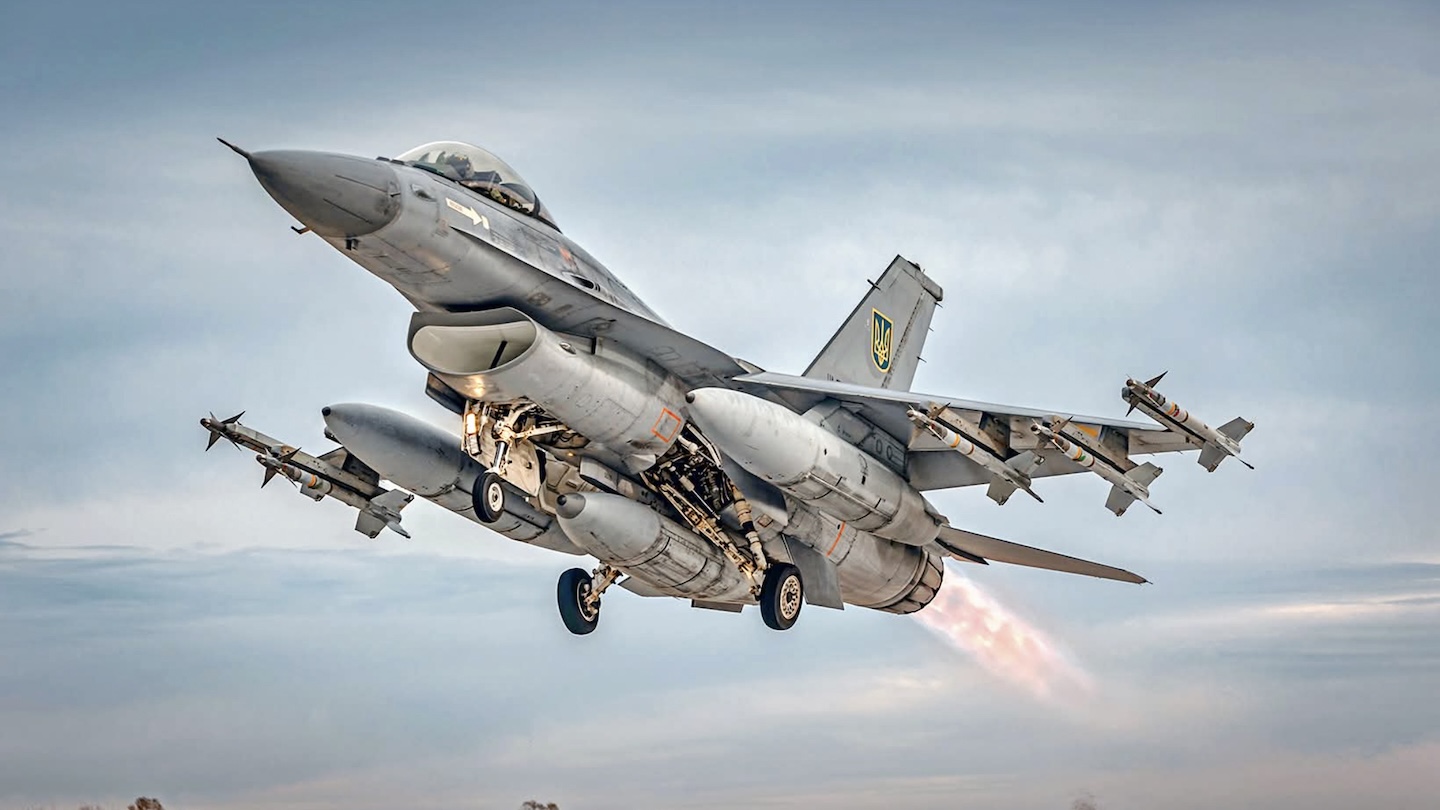
A Ukrainian F-16 has shot down a Russian fighter jet for the first time, according to the highest-ranking U.S. military officer. This engagement would represent a significant development in the air war over Ukraine and a notable addition to the air-to-air tally for the Ukrainian F-16s, which already includes “more than a thousand” drones and cruise missile ‘kills.’ It would also be a remarkable addition to the F-16 story, with the jet, which was built to shoot down Soviet combat aircraft, downing a Russian-flown fighter over Europe more than half a century after it first flew.
Gen. Dan Caine, Chairman of the U.S. Joint Chiefs of Staff, publicly confirmed the milestone during a hearing before the U.S. Senate Appropriations Committee in Washington, D.C.
He told lawmakers:
“I want to highlight the incredible work that the Ukraine industrial base is doing as they scale their air-to-air capabilities,” Caine said. “It ranges from their surface-to-air capabilities to their air-to-air capabilities.”
After being asked by Senator Richard Durbin about the potential impact of a three-year halt in funding for Ukrainian air defenses, Caine added:
“I’ll note that recently we had the first air-to-air kill where a Ukrainian F-16 shot down a Russian fighter. So I think their ability to scale their layered air defense has come a long, long way over the past couple of years with the help and assistance of many.”
No further details were provided, leaving unanswered questions about when and where the engagement occurred, the identity of the Russian aircraft, the weapon employed, and the evidence that led U.S. officials to conclude the kill had taken place.
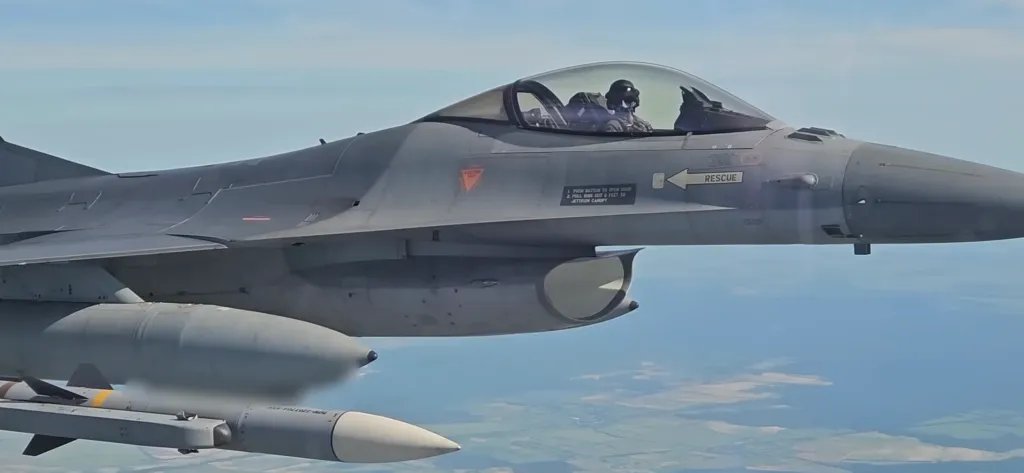
Nevertheless, it marks the first time a senior U.S. military official has publicly stated that a Ukrainian F-16 has destroyed a crewed Russian combat aircraft in air-to-air combat.
Since beginning operations, Ukraine’s F-16s have already downed huge numbers of Russian cruise missiles and one-way attack drones while also conducting air-to-ground strike missions.
Ukrainian Air Force F-16 intercepts Russian targets over Odesa coast https://t.co/HatquIIjcT pic.twitter.com/5mYSbmIWNt
— Special Kherson Cat(@bayraktar_1love) July 21, 2026

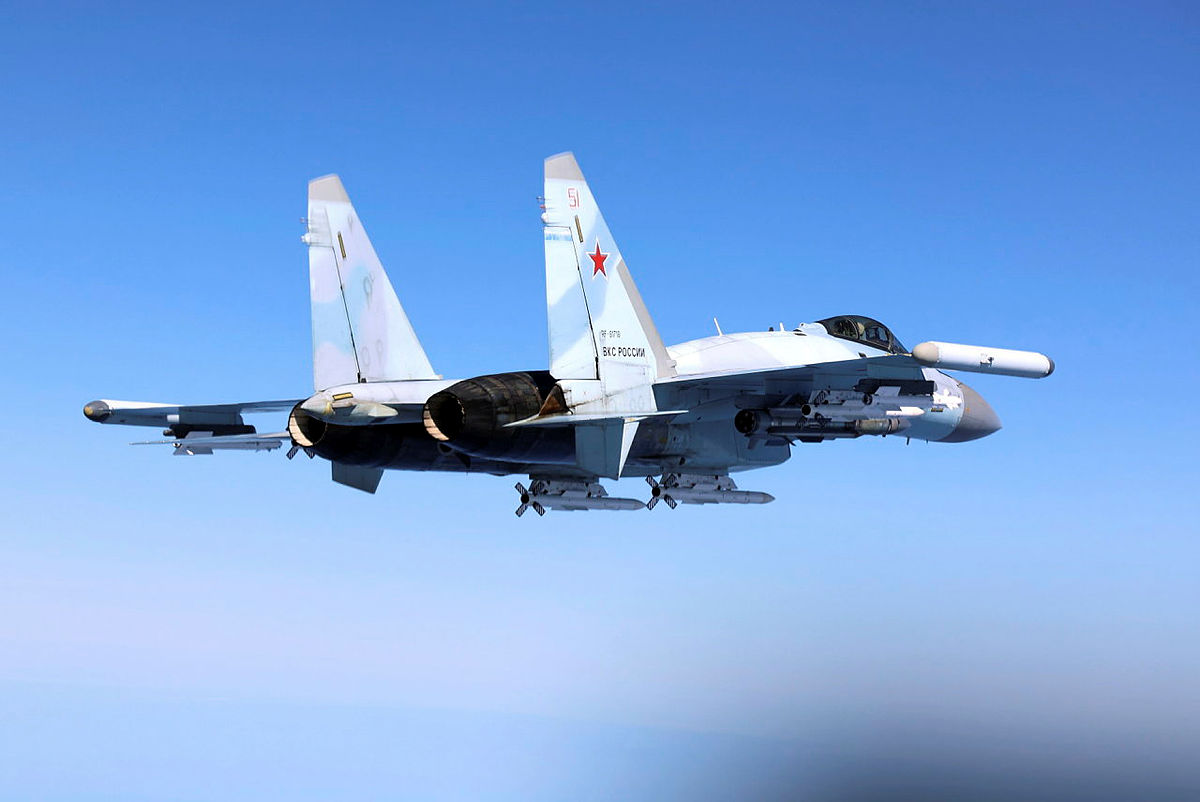
The engagement referenced by Caine may have been the July 8 shootdown of a Russian Su-35S multirole fighter. Ukrainian military officials announced the destruction of the aircraft at the time, while pro-Kremlin Russian military bloggers also acknowledged the loss, claiming the pilot survived and returned safely to base.
— Ukrainian Air Force (@KpsZSU) July 8, 2026
CONFIRMED!
On July 8, 2026, a Russian Su-35 multi-role fighter was shot down on the eastern sector!Together to victory! pic.twitter.com/r8S9fgQaC5
A Telegram channel affiliated with the Ukrainian Air Force, Sunflower, claimed the Russian was “the very same experienced enemy pilot who had been causing us a lot of trouble in this area.”
Earlier speculation suggested the Su-35S may instead have been destroyed by a Patriot surface-to-air missile after being lured into range by one or more Ukrainian F-16s. No evidence was presented to substantiate that theory.

Regardless of the precise circumstances, destroying a Su-35S would represent a notable achievement given the aircraft’s superior long-range air combat capabilities.
The Su-35S is among Russia’s most capable fighters and has long been regarded by Ukrainian pilots as one of their most dangerous opponents.
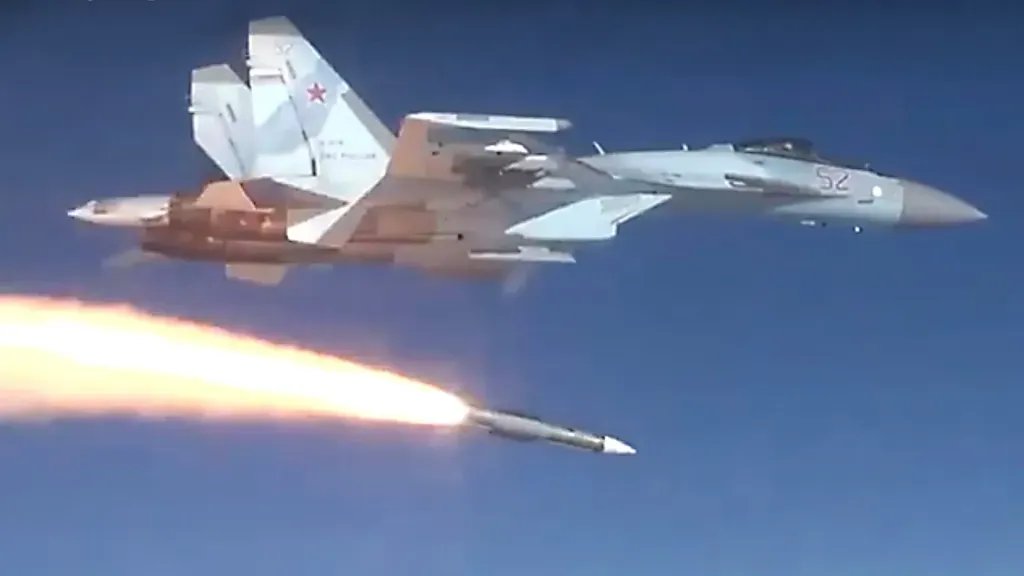
At the outset of Russia’s full-scale invasion, the late Ukrainian MiG-29 Fulcrum pilot Andrii Pilshchykov, better known by his callsign “Juice,” described the Su-35S as the greatest airborne threat because of its powerful radar and R-77-1 active radar-guided air-to-air missiles. The upgraded R-77-1 reportedly has a range of around 68 miles, improved resistance to electronic countermeasures, and a true fire-and-forget capability—something Ukraine’s Soviet-era fighters lacked.
The Su-35S later gained an even more formidable weapon: the R-37M very-long-range air-to-air missile. Introduced into combat during the summer of 2022, the missile reportedly has a range of up to 124 miles, allowing Russian fighters to threaten Ukrainian aircraft while remaining deep inside Russian-controlled airspace. That range likely refers to only larger, less agile aircraft targets and is very much a “sales brochure figure,” with all the caveats that entails. Nevertheless, Pilshchykov bluntly described the weapon as “fucking dangerous.”
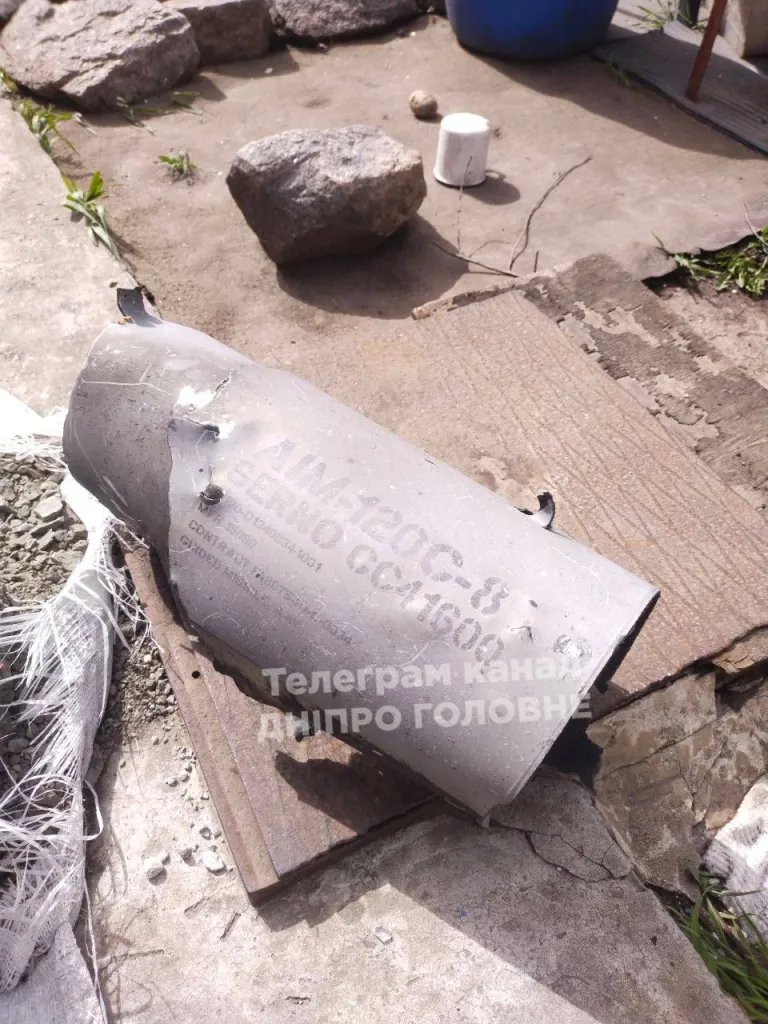
The longest-range modern air-to-air missile available to Ukrainian F-16s is the AIM-120C-8 version of the Advanced Medium-Range Air-to-Air Missile (AMRAAM). An active-radar-guided air-to-air missile is something that Ukraine long campaigned for. Pilshchykov told TWZ back in 2022: “The lack of fire-and-forget missiles is the greatest problem for us.”
As we have discussed in the past, while official performance figures are classified, the AIM-120C-8 is generally assumed to be able to hit targets at a distance of between 75 and 100 miles. Of course, in practical applications, a whole range of factors impacts any missile’s reach, above all, the energy and altitude state of the launching aircraft and the target.
Combined with the Su-35S’s sophisticated electronic warfare systems and Russia’s numerical advantage, these technical capabilities have allowed Russian fighters to operate with relative confidence. In 2022, Pilshchykov recalled occasions when as many as two dozen Su-35s patrolled along the Russian side of the border, waiting for opportunities to engage Ukrainian aircraft.
Based on available reports, Russia was initially satisfied with the results of its R-37M tactics, which relied heavily on surprise. Fighters launched air-to-air missiles at moments the target did not expect, after first employing diversionary and deception measures to mask the attack. However, increased Ukrainian aircraft losses forced Kyiv to develop new tactics to counter the threat.
According to Russian accounts, Ukraine’s tactical changes were enabled by NATO intelligence, surveillance, and reconnaissance assets, which provided Ukrainian forces with near-real-time information on Russian fighter activity and detected long-range missile launches. Armed with this warning, Ukrainian pilots reportedly had sufficient time to execute defensive maneuvers, combining aggressive evasive flying with electronic jamming to break the missile’s lock and reduce the likelihood of a successful kill.
Whether or not these tactics helped the F-16 score a famous air-to-air kill is unclear, but they reflect the cat-and-mouse nature of the air war in Ukraine.
Certainly, the Su-35S is far from immune to Ukrainian air defenses.
According to the Oryx open-source tracking group, nine Su-35s have been destroyed in the war. The figure could be higher since Oryx only tabulates losses for which it has visual confirmation.
There have also been close calls.
Russian accounts describe a Su-35S flown by Colonel M. Stefanov landing at an airfield, where, during a post-flight inspection, maintainers counted 28 holes in the fuselage.
If Caine’s statement reflects U.S. intelligence assessments — as seems likely — it suggests Ukraine is becoming increasingly proficient at integrating its Western-supplied F-16s with its broader, layered air defense network. At the same time, Russia has never enjoyed air supremacy over Ukraine, its aircraft even being at risk in some of the areas on its side of the front lines and even in Russia itself.
Even so, this should not be viewed as a turning point in the air war. Russia still fields significantly larger numbers of combat aircraft, retains extensive long-range surface-to-air missile coverage, and continues to pose a serious threat to Ukrainian aviation.
One successful engagement, even against one of Russia’s premier fighters, does not fundamentally alter the balance of air power. It does, however, demonstrate that Ukraine’s expanding fleet of Western fighters, integrated air defenses, and increasingly experienced air defenders of all kinds continue to raise the risks faced by the Russian Aerospace Forces.
Contact the author: thomas@thewarzone.com
The post Ukrainian F-16 Scored First Air-To-Air Kill Against A Russian Fighter: Top U.S. General appeared first on TWZ.