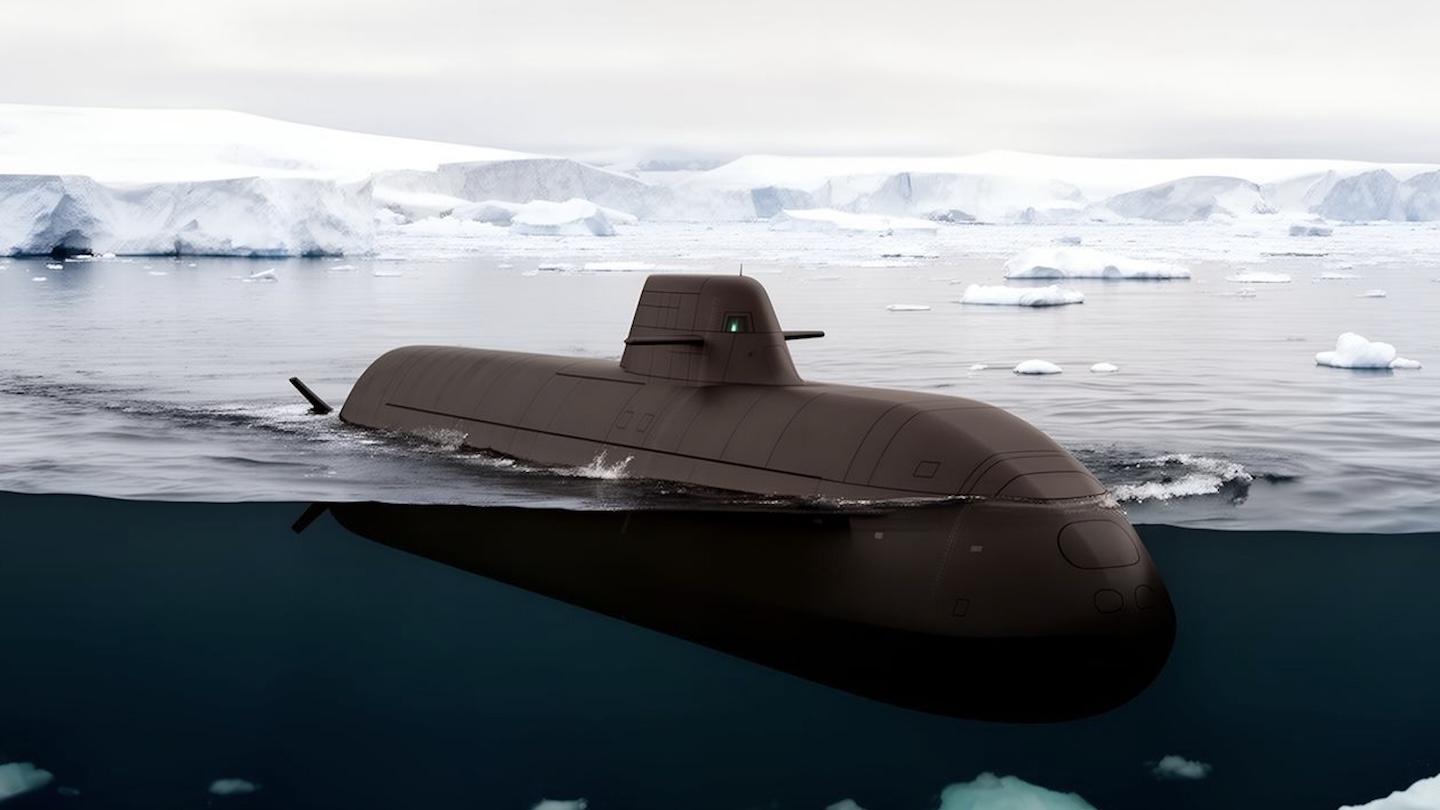
Canada’s next submarine will be German-made, after Ottawa announced its decision to buy a dozen new conventionally powered Type 212CD boats from ThyssenKrupp Marine Systems (TKMS). The submarines will replace Canada’s aging and increasingly unreliable Victoria class in one of the country’s largest-ever defense procurements, tripling the size of the fleet, while also giving Ottawa a significantly more capable platform for operations in the Arctic and North Atlantic.
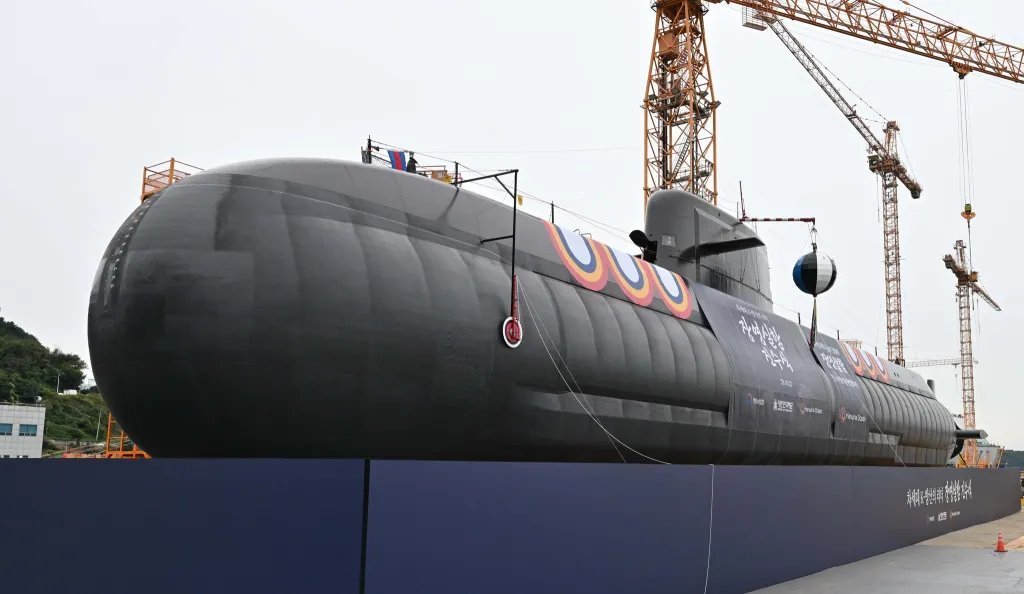
Canadian Prime Minister Mark Carney announced today that the German consortium had won the competition to build the submarines. TKMS had been in competition for the contract with South Korean shipbuilder Hanwha Ocean, offering its KSS-III Batch II submarine.
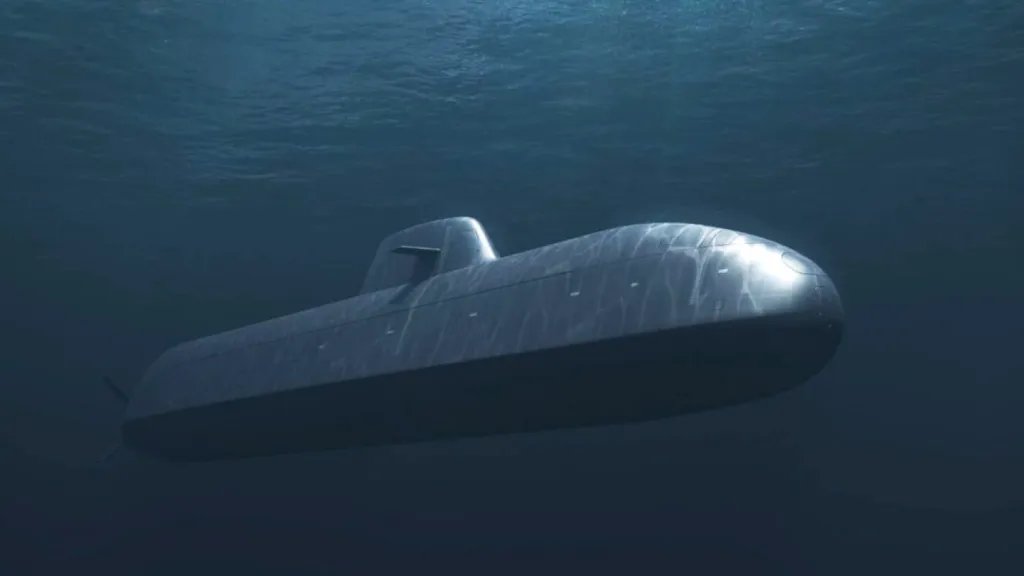
The winning Type 212CD (Common Design) boat is a further improved version of the Type 212A, which you can read about in more detail here. The German offering is based on a submarine lineage that goes back decades, and variants of the type are serving with many navies around the globe, something that cannot be said for its South Korean rival.
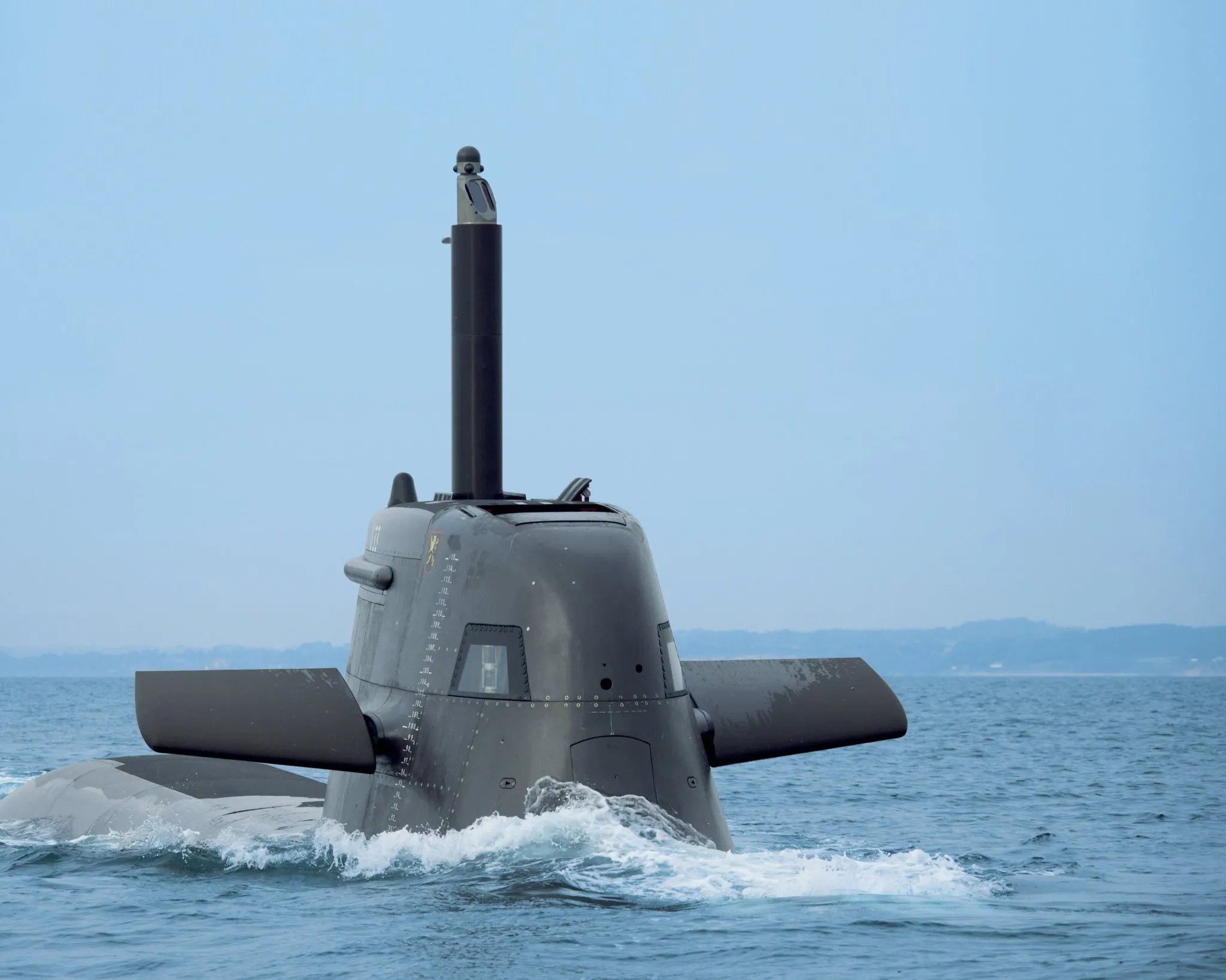
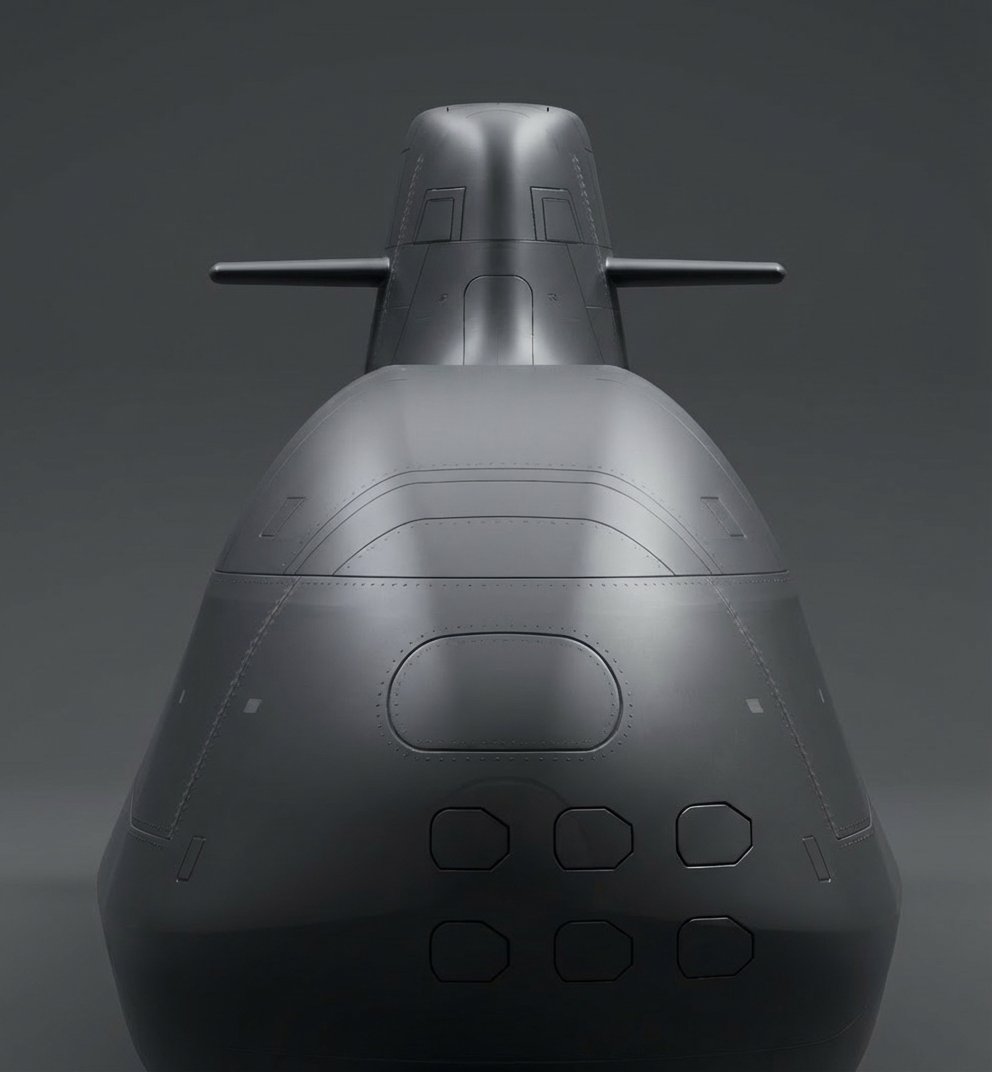
Already ordered by Germany and Norway, the Type 212CD features an improved air-independent propulsion (AIP) system including new-generation batteries (most likely of the Lithium-Ion type), improved diesel generators, increased speed and range, improved self-defense capabilities, and improved signatures thanks to a specially designed diamond-shape hull.
These submarines will have a surface displacement of approximately 2,750 tons, representing a 65 percent increase over the Type 212A. They will measure 240 feet in length and be armed with six 533mm torpedo tubes.
Unlike the old Victoria class, the new submarines are optimized for spending extended periods under the ice, something that is required for longer patrols around the Arctic region.
Canada had previously indicated that both the Type 212CD and the KSS-III Batch II met its military requirements.
The decision therefore likely came down to cost and industrial offsets.
Canada’s federal government and TKMS still have to enter into negotiations to finalize the contract.
However, in terms of cost, the 12-boat deal is estimated to be worth more than $12 billion. The contract will also include roughly half a century of maintenance, meaning the total value could exceed $70 billion.
Carney’s Liberal party has committed to a major increase in defense spending, pledging to allocate five percent of GDP by 2035.
Senior officials from both Germany and South Korea visited Canada to promote the broader economic benefits of their respective offers.
For its part, Germany offered Canada to join the Type 212CD program alongside Norway, as part of a broader defense cooperation that would more closely align Berlin and Ottawa. Germany also said it would provide Ottawa the opportunity to manufacture components, or even undertake construction of complete submarines, in local shipyards.
Berlin also suggested it was looking to buy potentially significant numbers of special-mission aircraft from Canada’s Bombardier, as well as to access Canadian rare earths, mining, artificial intelligence, and battery production.
Meanwhile, South Korea said that, if successful, it would use Canadian steel to build armored fighting vehicles in Canada.
The timeline for the delivery of Canada’s new submarines is unclear.
In the past, TKMS has said it will be able to build around three to four boats for Canada per year from 2027.
The Canadian government wants to see the delivery of the first new submarine no later than 2035.
Clearly, the four Victoria class subs are in dire need of replacement.
The Victoria class fleet currently serving with the Royal Canadian Navy was acquired secondhand from the Royal Navy in 1998 after originally entering British service as the Upholder class. The boats have been plagued by technical issues and lengthy maintenance periods since their transfer. The first three submarines entered Canadian service between 2000 and 2003, while the fourth suffered a fatal onboard fire during its delivery voyage in 2004. As a result, it was not formally commissioned into Royal Canadian Navy service until 2015.
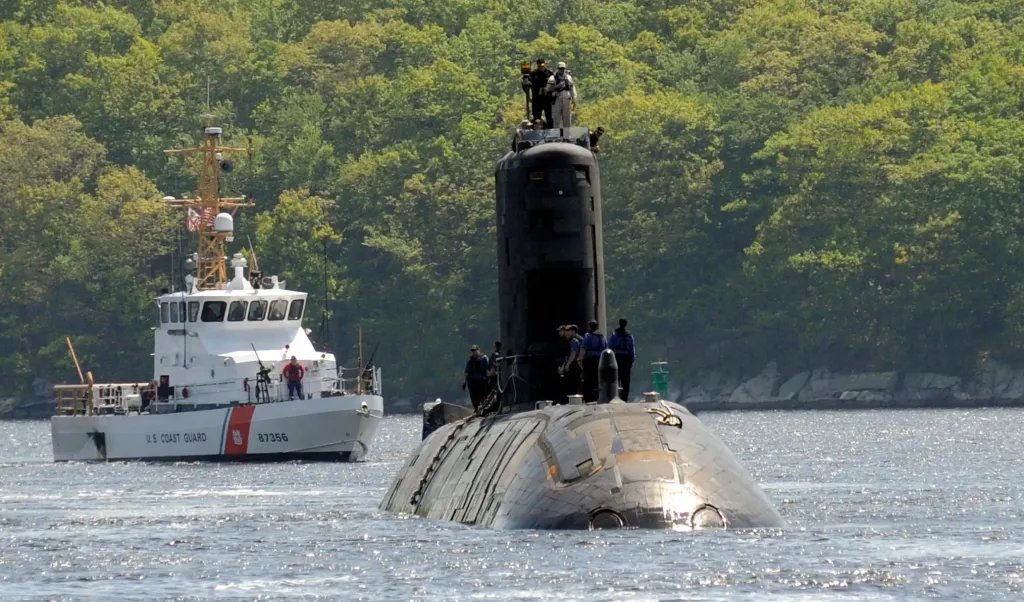
Currently, three of the four Victoria class boats are undergoing maintenance.
Significantly, the 12 Type 212CDs will be the first brand-new submarines Canada has ever bought.
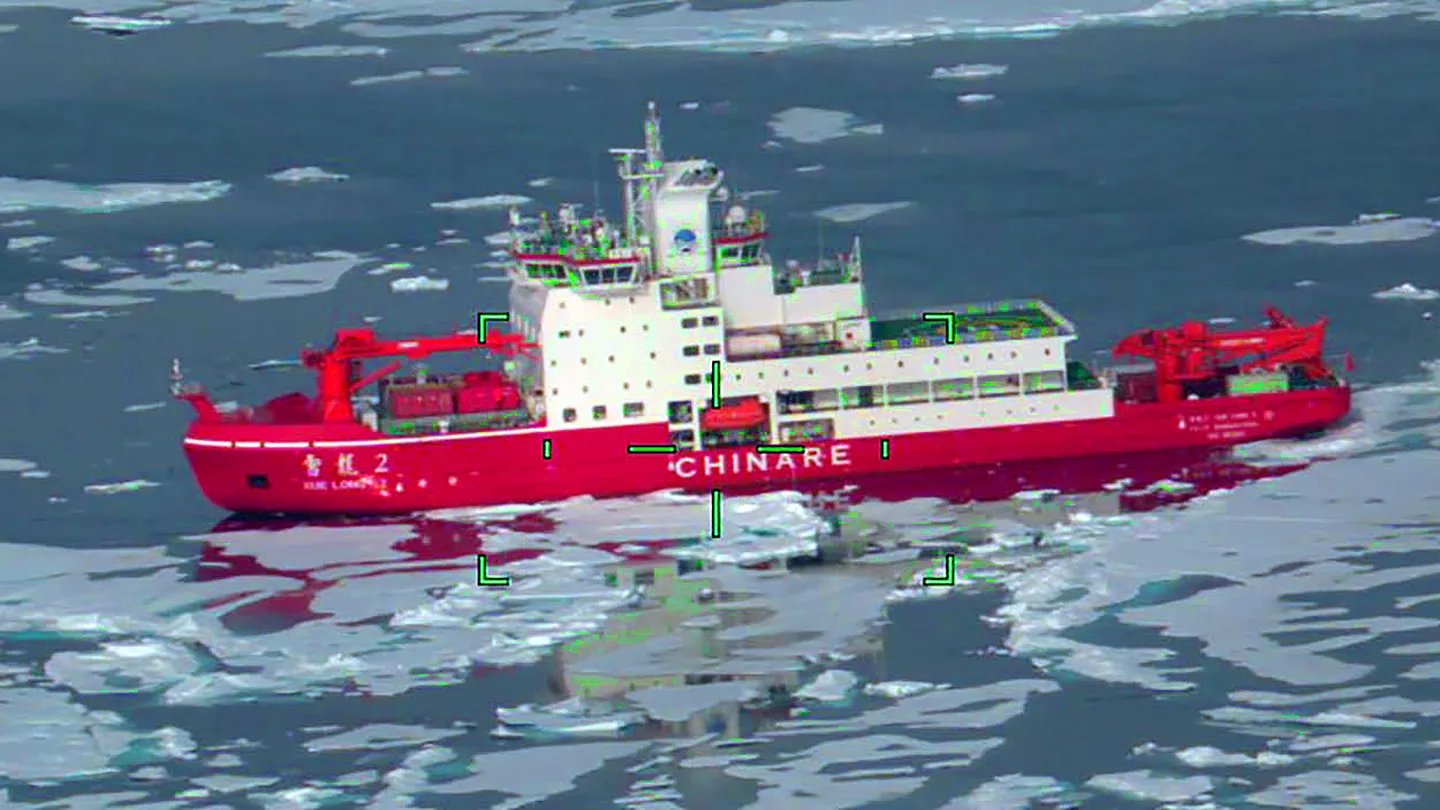
They will play a major role as Canada seeks to expand its military presence in the increasingly contested Arctic and North Atlantic regions.
NATO is placing growing emphasis on the Arctic and North Atlantic as future theaters of competition with both Russia and China. Reflecting those changing priorities, Canada signed a trilateral letter of intent with Germany and Norway in 2024 establishing a strategic partnership aimed at strengthening NATO’s deterrence and defense posture across the region. Although Ottawa stressed at the time that the agreement was not linked to any future submarine procurement, instead focusing on defense industrial cooperation, supply chains, training, and operations, Canada’s selection of the Type 212CD effectively takes that partnership a significant step further.
With Canada, Germany, and Norway all operating the same submarine design, the three navies will be better positioned to integrate logistics, maintenance, training, and operational planning while sustaining a more persistent undersea presence in the High North. Germany is also expanding its naval focus on the Arctic, including plans to increase its military footprint in and around Iceland, further reinforcing NATO’s northern posture.
That cooperation will be particularly valuable around the strategically vital GIUK Gap. The GIUK Gap has long been NATO’s primary barrier to Russian submarines entering the Atlantic. Boats that transit it undetected become far more difficult to track once they reach the open ocean, allowing them to threaten allied sea lines of communication, naval task groups, and critical land targets in the event of a major conflict.
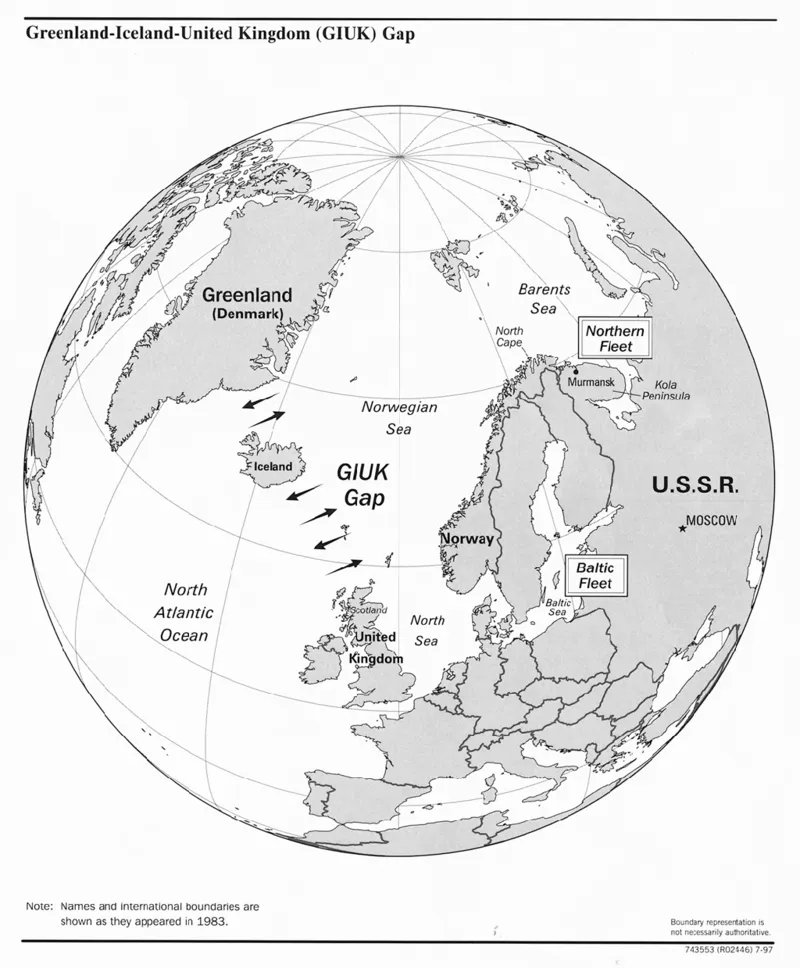
The submarines will help defend the North Atlantic against potential Russian aggression while tracking Moscow’s increasingly active — and advanced — undersea fleet. It is a stark contrast to the years immediately after the Cold War, when Russian submarine patrols declined sharply, and the North Atlantic appeared to have lost much of its strategic importance.
NATO is also devoting increasing attention to protecting critical undersea infrastructure following a string of suspected sabotage incidents in the Baltic Sea. Communications cables, pipelines, and offshore energy infrastructure have all emerged as potential targets, placing an even greater premium on coordinated submarine operations and persistent underwater surveillance. As submarine fleets continue to shrink across much of the alliance, closer cooperation between operators is becoming increasingly important.
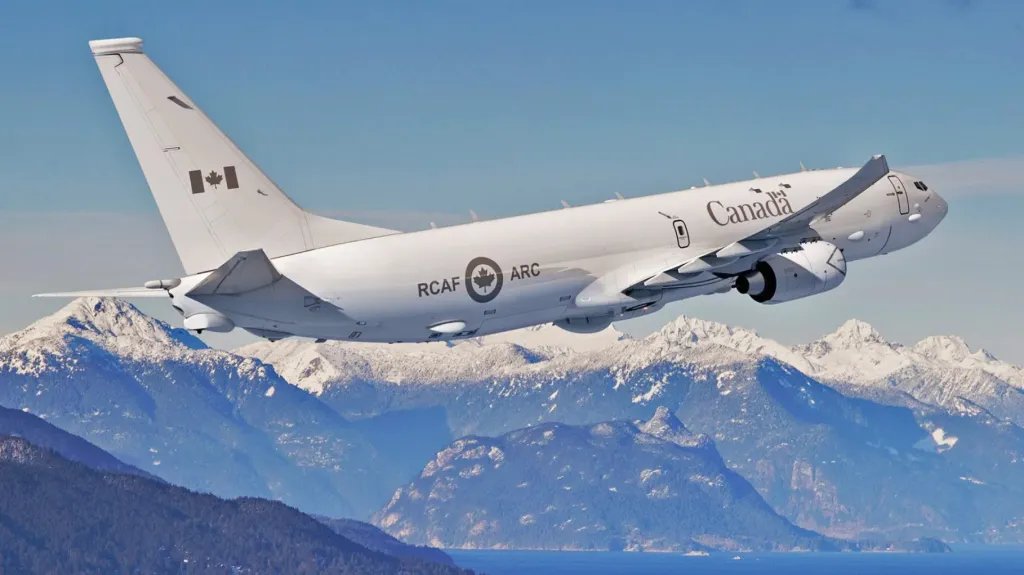
That cooperation extends beyond submarines. Canada, Germany, and Norway also operate the P-8 Poseidon maritime patrol aircraft, creating additional opportunities for integrated anti-submarine warfare, maritime surveillance, and training. NATO allies are already moving in this direction, with the United Kingdom and Norway expanding cooperation around their P-8 fleets and Germany recently signing a similar agreement covering P-8 operations from British bases.
The choice of a German submarine also emphasizes that Canada is increasingly looking to Europe to meet its defense needs, part of a wider effort to reduce its traditional reliance on the United States. In this case, however, no U.S.-made conventionally powered submarine is currently available.
The apparent Canadian pivot toward European arms manufacturers has helped fuel speculation that it might split its future fighter buy.
While Ottawa remains committed to acquiring an initial batch of 18 U.S.-made F-35As, from a planned total of 88 of the stealth jets, the souring of political relations with Washington has prompted a renewed look at alternative combat aircraft.
Of these, Sweden’s Saab Gripen E has long been identified as the most likely candidate to be bought alongside the F-35.
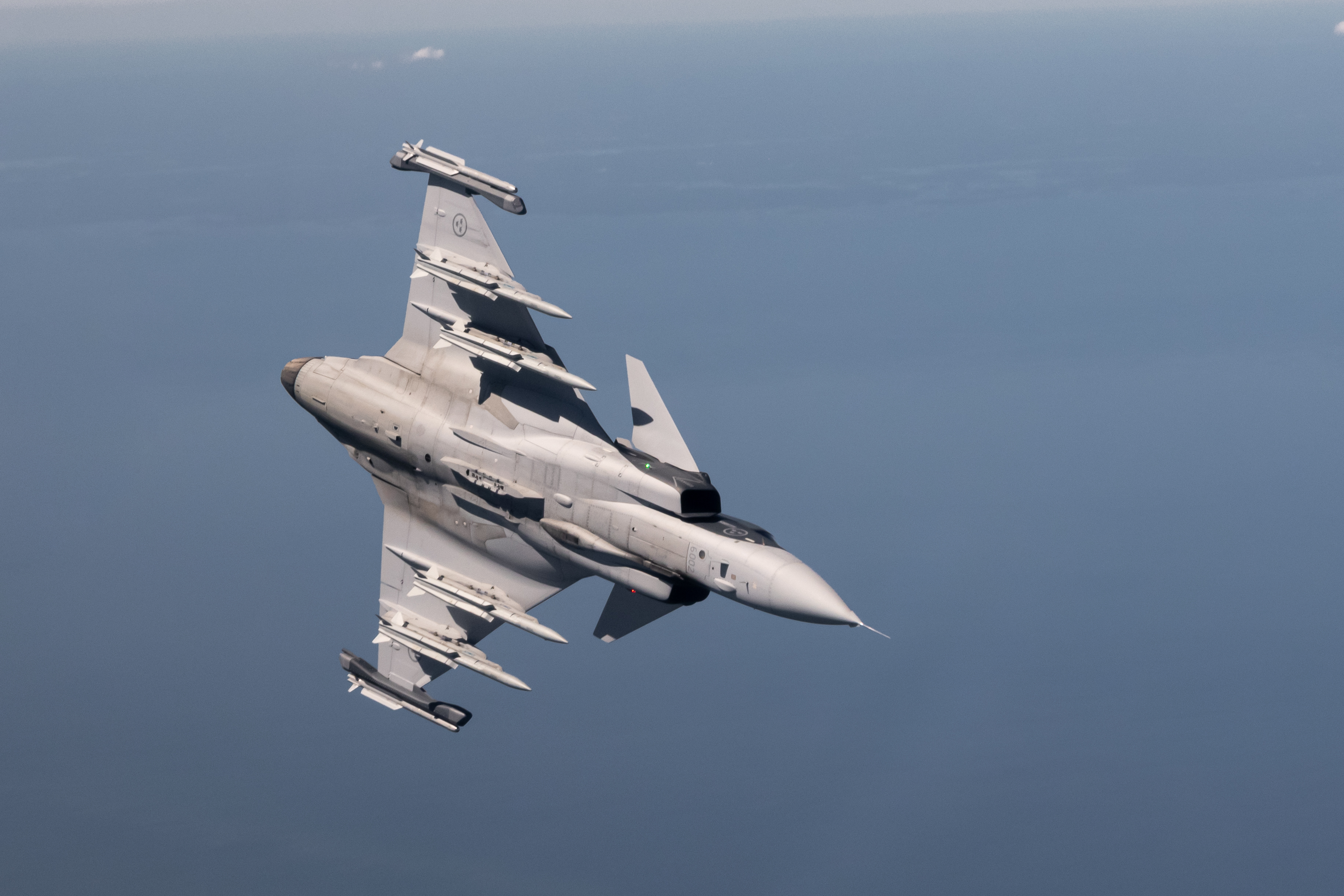
Saab has suggested that a Canadian order for 72 Gripens, as well as the six Saab GlobalEye airborne early warning and control (AEW&C) aircraft that Ottawa has already agreed to buy, could support more than 12,000 Canadian jobs.
More recently, Ottawa has expressed interest in the Global Combat Air Program (GCAP) next-generation fighter, led by the United Kingdom and involving Italy and Japan. We have discussed just how realistic Canada acquiring the Tempest fighter might be in this previous story.
Returning to the submarines, the selection of the Type 212CD will provide a replacement for a fleet that has long struggled with reliability. The decision also signals a broader shift in Canadian defense policy. As well as strengthening NATO’s undersea posture in the Arctic and North Atlantic, it deepens Ottawa’s military ties with Europe, and marks the beginning of what is likely to become Canada’s most ambitious naval modernization effort in generations.
Contact the author: thomas@thewarzone.com
The post Canada Picks German Type 212 Submarine For Badly Needed Fleet Renewal appeared first on TWZ.