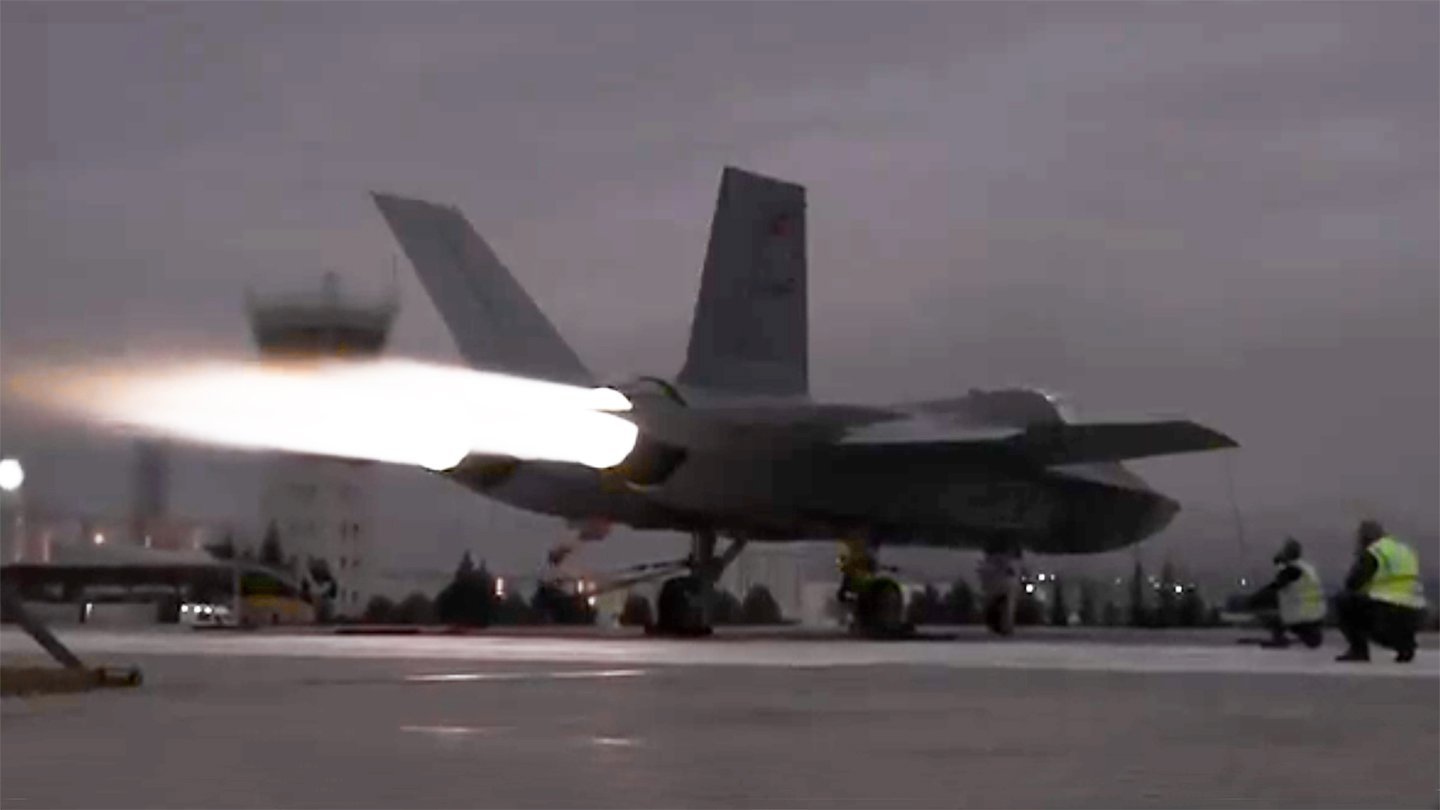
The Turkish Air Force looks set to receive a major boost to its fighter fleet, with the delivery of dozens of F110 engines required to power the homegrown TF Kaan combat jet. This would be one of the most significant positive developments in U.S.-Turkish defense relations since Turkey was ejected from the F-35 program in 2019, and may even pave the way for Ankara to rejoin that effort.
Citing four sources familiar with the matter, Reuters reports that President Donald Trump’s administration plans to go ahead with the engine sale, said to be worth more than $700 million, despite some resistance from Congress.
Ahead of his July trip to a NATO summit in Turkey, Trump was asked by a reporter whether Turkish President Tayyip Erdogan would be provided with a “big gift” in the form of F110 engines and potentially F-35 fighter jets.
“He’s a member of NATO,” Trump replied. “He really is a strong member of NATO. Yeah, I’m going to probably do something that’s going to make him very happy.”
Speaking alongside Trump, Vice President JD Vance said a review was underway to see if Turkey could receive the F-35.
“Pete and the entire team are reviewing this right now, because there are certain things that we have to certify have happened … in order to comply with American law,” Vance said, referring to Secretary of Defense Pete Hegseth.
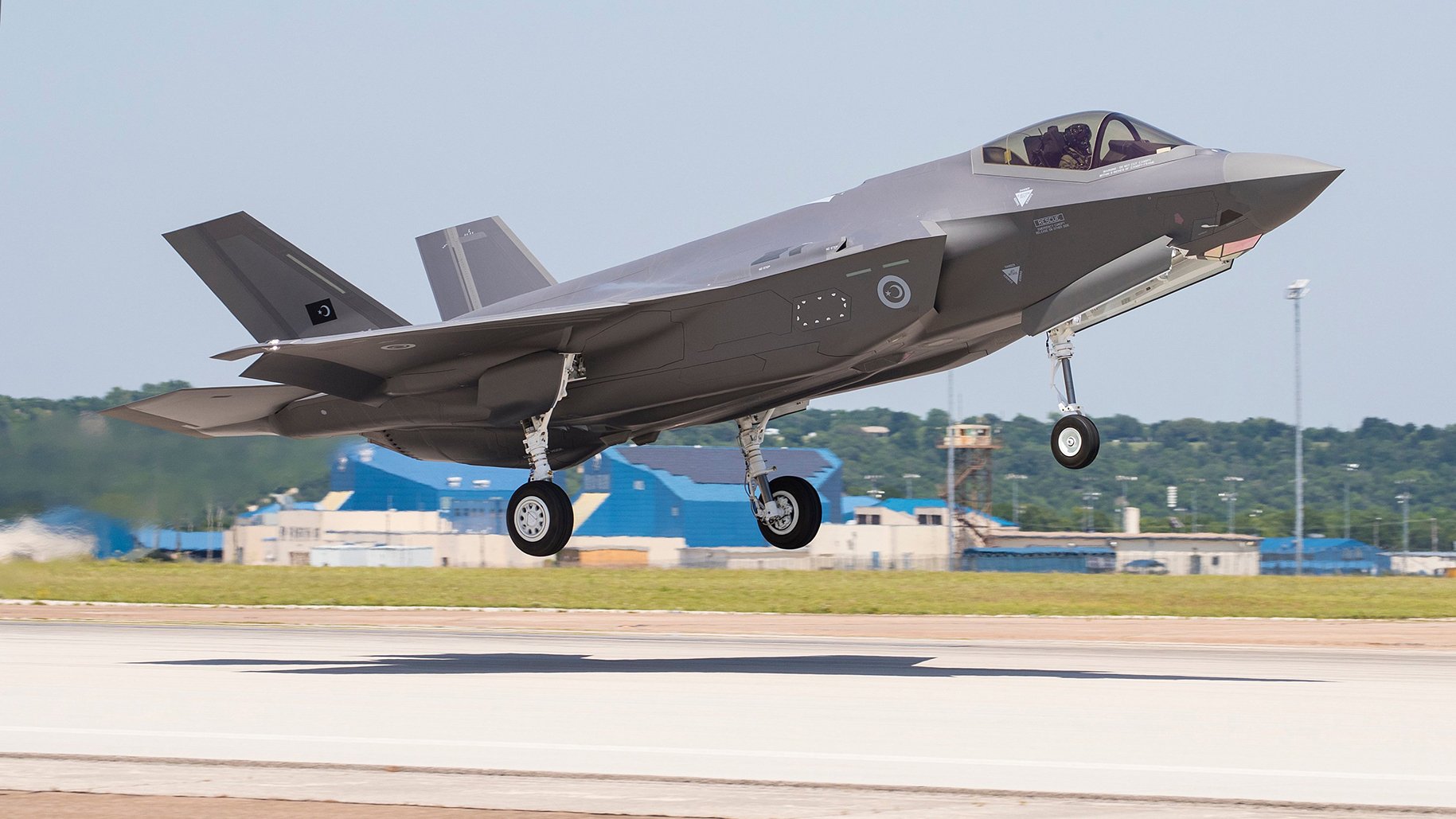
The question of whether Turkey might receive F-35s has long been a fraught one, with Ankara kicked out of the program back in 2019, a development we will return to later.
For now, however, Turkey’s priority seems to be securing F110 engines.
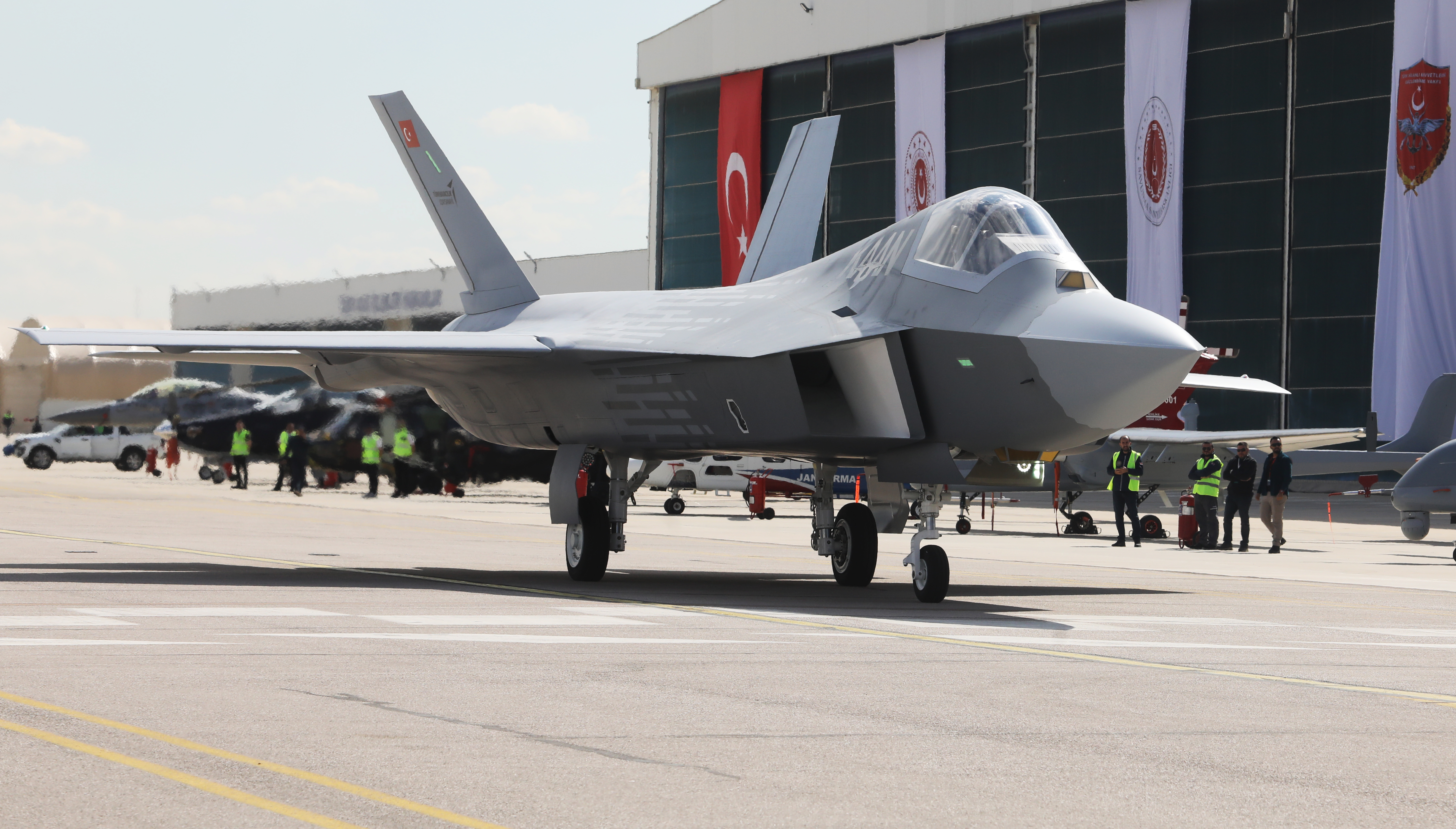
Turkey’s TF Kaan next-generation fighter is a flagship program of the country’s burgeoning aerospace industry. The program was launched in 2010, and the first prototype took to the air in early 2024.
Reportedly, Turkey plans to complete three pre-production prototypes, to be followed by 250 series-production aircraft, incorporating various refinements.
Last month, a contract was reportedly signed for 20 examples of the initial Block 10 versions of the Kaan.
The twin-engine Kaan was developed with a reduced radar signature in mind, as well as a high level of performance and modern avionics and other systems. As a result, it doesn’t offer the same level of low observability as the F-35, while its sensor fusion, electronic warfare capabilities, and other ‘fifth-generation’ features lag behind the U.S.-designed jet.
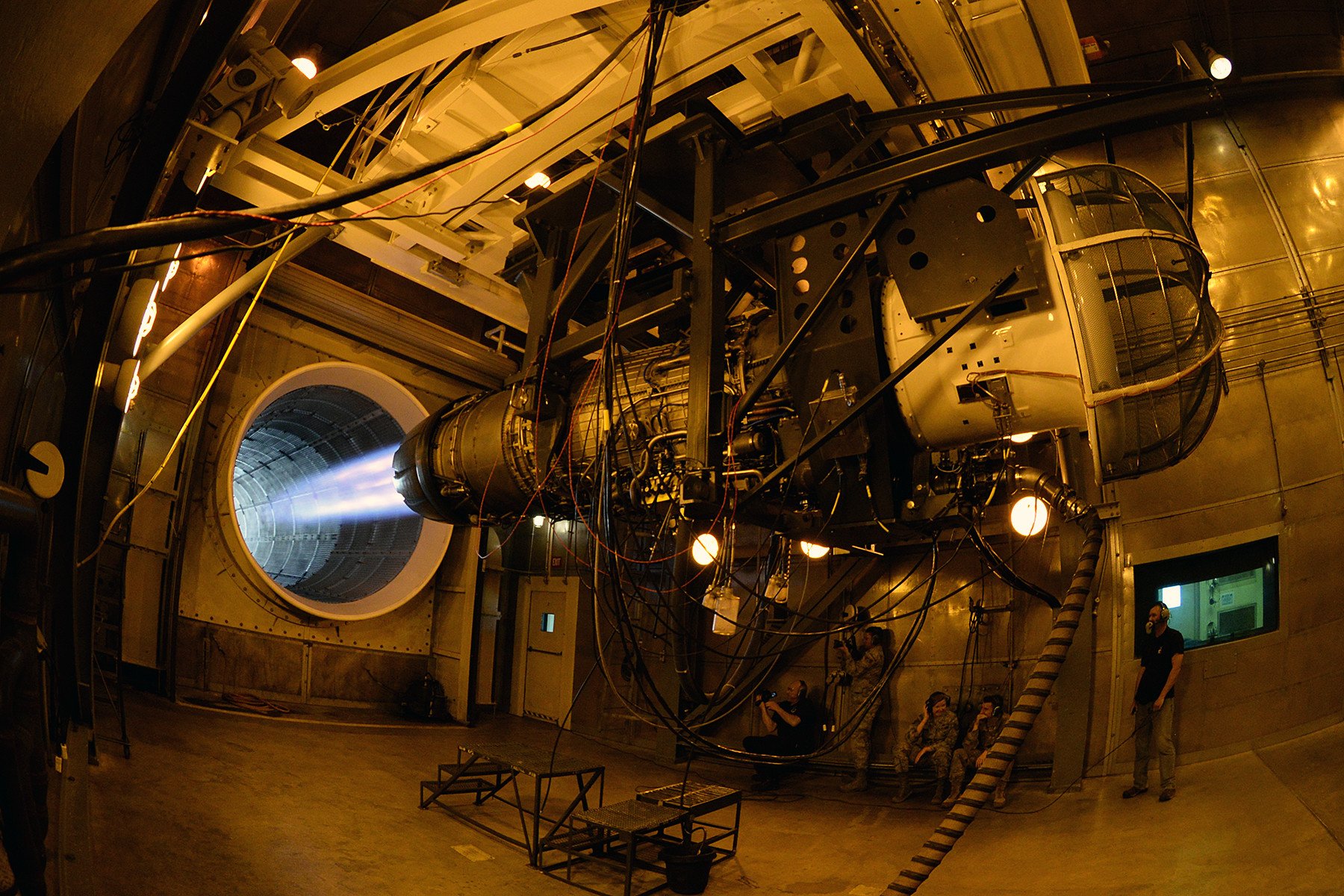
Critically, the Kaan is powered by U.S.-supplied General Electric F110 turbofans.
F110s are assembled under license in Turkey by TUSAS Engine Industries (TEI) but are still governed by U.S. export restrictions. These engines are already used in significant numbers by the Turkish Air Force F-16 fleet, the third-largest in the world. Outside of the F-16, the F110 is also used in the F-15E Strike Eagle and F-15EX Eagle II, among other F-15 variants. An F110 comes with a typical flyaway unit cost of $10 to $15 million.
The Kaan program has long been overshadowed by the question of whether Washington will make available in larger numbers the F110 turbofans used in the prototype. Reportedly, an initial batch of 80 engines is required.
While Turkish officials have expressed hope of ultimately switching to a domestically produced engine type for the Kaan, TEI’s TF35000, it’s unclear how realistic this is, at least in the near term. Turkey has also looked at acquiring alternative engines, too, including those from Russia or Rolls-Royce in the United Kingdom.
In the meantime, the importance of the Kaan to the Turkish Air Force increased significantly in 2019, when it became clear that Ankara would be kicked out of the F-35 program, in which it had a considerable industrial stake, and a plan to buy around 100 of the fighters. Washington took that decision after Turkey refused to abandon its purchase of Russian-made S-400 long-range air defense systems.
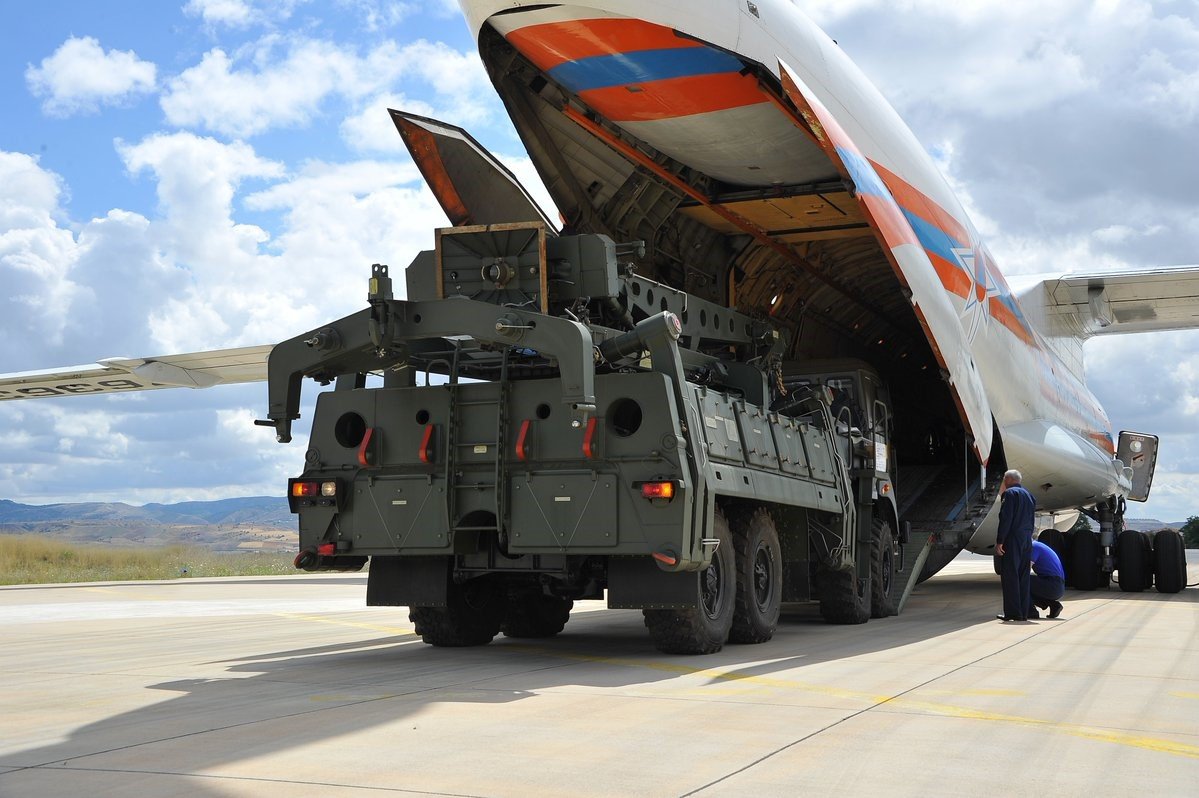
As well as the S-400, U.S. lawmakers were unhappy with Turkey’s worsening relations with Greece, its other connections with Russia and Azerbaijan (which included the deployment of F-16s to the latter country), its conduct in the Syrian civil war, and human rights abuses. Turkey’s opposition to Sweden joining NATO also proved to be a significant hurdle.
In the wake of all this, the chances of Turkey receiving F110 engines were dramatically reduced. At the same time, Turkey’s request to buy additional F-16 fighters was also turned down. Turkey reportedly also began stockpiling spare parts for its F-16 back in 2019, fearing the effects of U.S. sanctions.
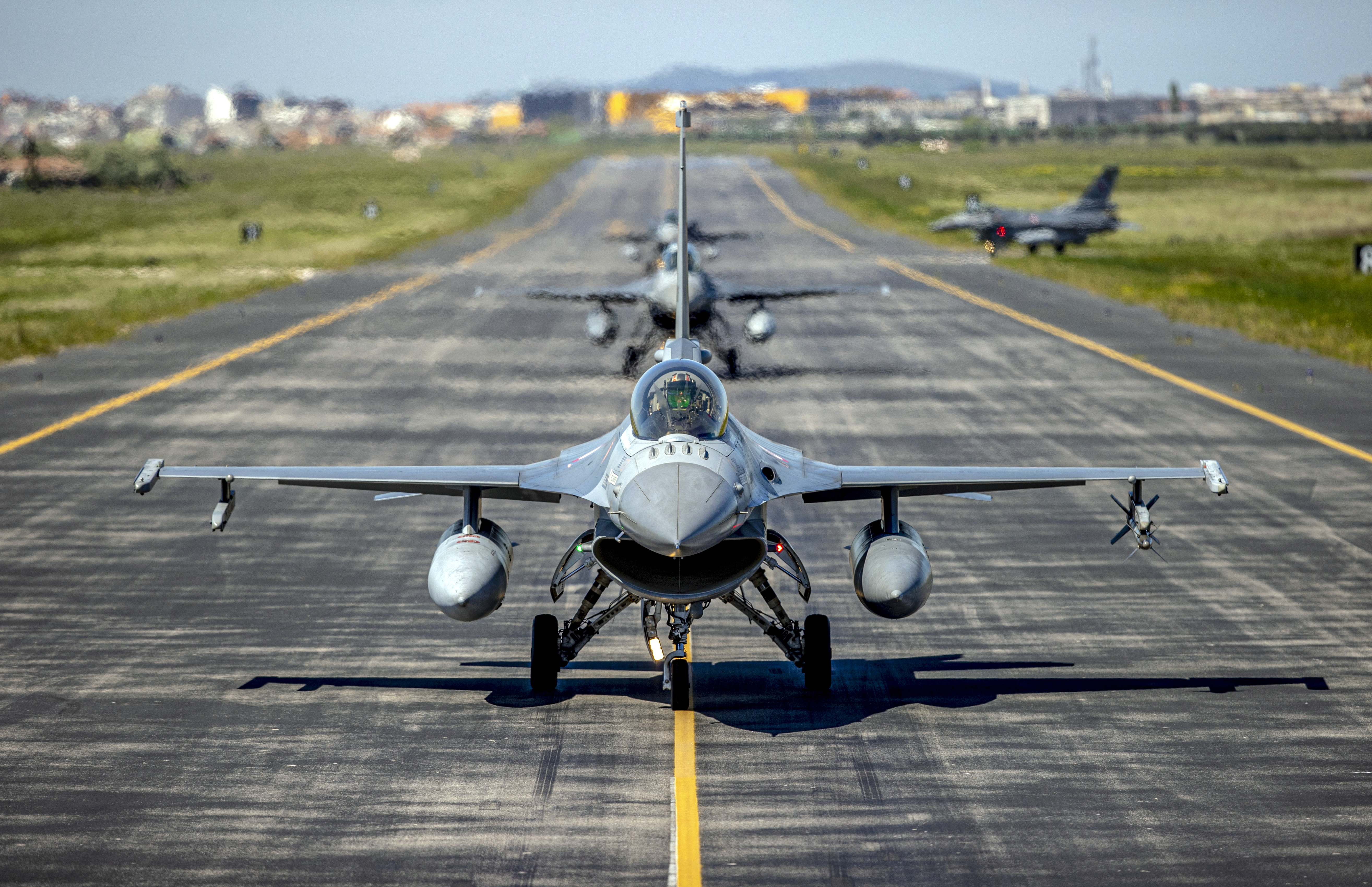
Toward the end of the Biden administration, U.S.-Turkish relations began to improve, and Washington moved to push through sales of new F-16s and upgrade kits for older jets to Turkey. There also began to be suggestions that the F-35 was potentially back on the table for Turkey.
Under the Trump administration, Washington’s relationship with Ankara has become closer, with Erdogan frequently praised by the U.S. leader.
In early 2024, the U.S. State Department finally approved a possible Foreign Military Sale to Turkey of 40 new F-16C/D Block 70 fighters, plus the upgrade of 79 existing aircraft to F-16V configuration.
At the same time, the issue surrounding the S-400 and the sanctions that followed that acquisition remains.
As it stands, U.S. law does not permit Turkey to operate or possess the S-400 system if it wishes to rejoin the F-35 program, as a result of security concerns around the Russian-made system.
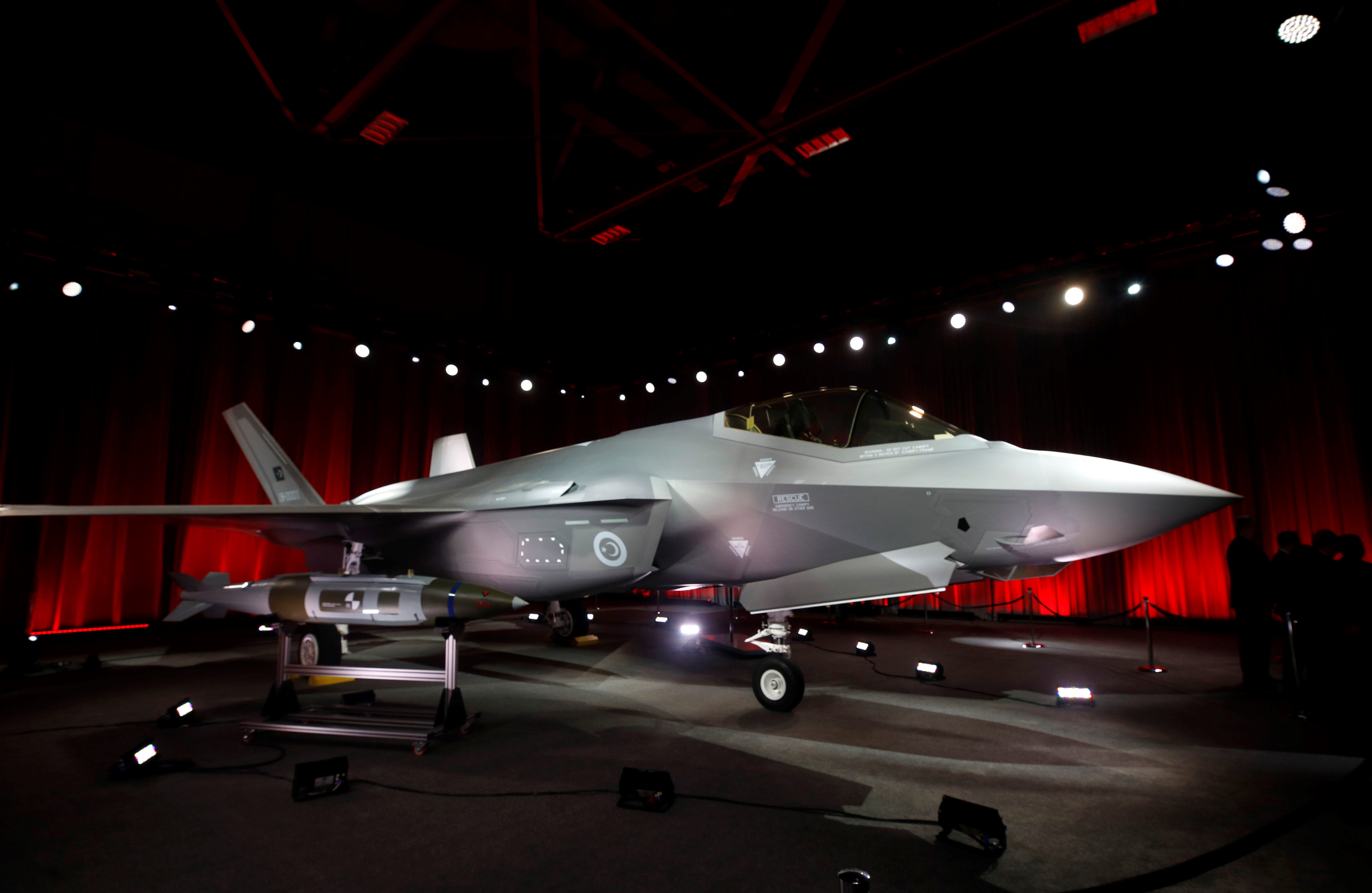
During a visit to Turkey in early 2024, the U.S. Acting Deputy Secretary of State Victoria Nuland reportedly suggested that the United States might be willing to offer Patriot air defense systems if it were to give up its S-400s, which could also clear the way to re-entering the F-35 program.
“Frankly, if we can resolve this S-400 issue, which we want to do, the United States would be pleased to welcome Turkey back into the F-35 family,” Nuland said. “But we must solve this other issue first, and while we solve it, we must also ensure that Turkey has a strong air defense.”
The apparent decision to clear the F110 sale certainly represents a further softening of Washington’s stance, and it could be a stepping-stone to Ankara eventually being readmitted to the F-35 program.
Turkey’s desire for F-35s has only been intensified by the fact that Greece, its major strategic rival, has been approved for a purchase of the jets. You can read all about how tensions between Greece and Turkey are reflected in the countries’ respective air forces in this previous feature.
Even regarding the F110 transfer, some opposition to defense sales to Turkey remains in Washington.
In particular, Representative Gregory Meeks of New York, the leading Democrat on the House of Representatives Foreign Affairs Committee, has reportedly stood in the way of the engine sale during an informal review process.
However, according to the four sources who spoke to Reuters, the F110 deal should be “finalized in the coming days, followed by a formal notification from the State Department to Congress.”
While lawmakers can use the congressional review process to raise their concerns over big-ticket defense exports, the administration can override these.
According to the Wall Street Journal, the Trump administration is expected to override Meeks’ effort to block the engine deal.
For the Kaan program, the F110 is vital.
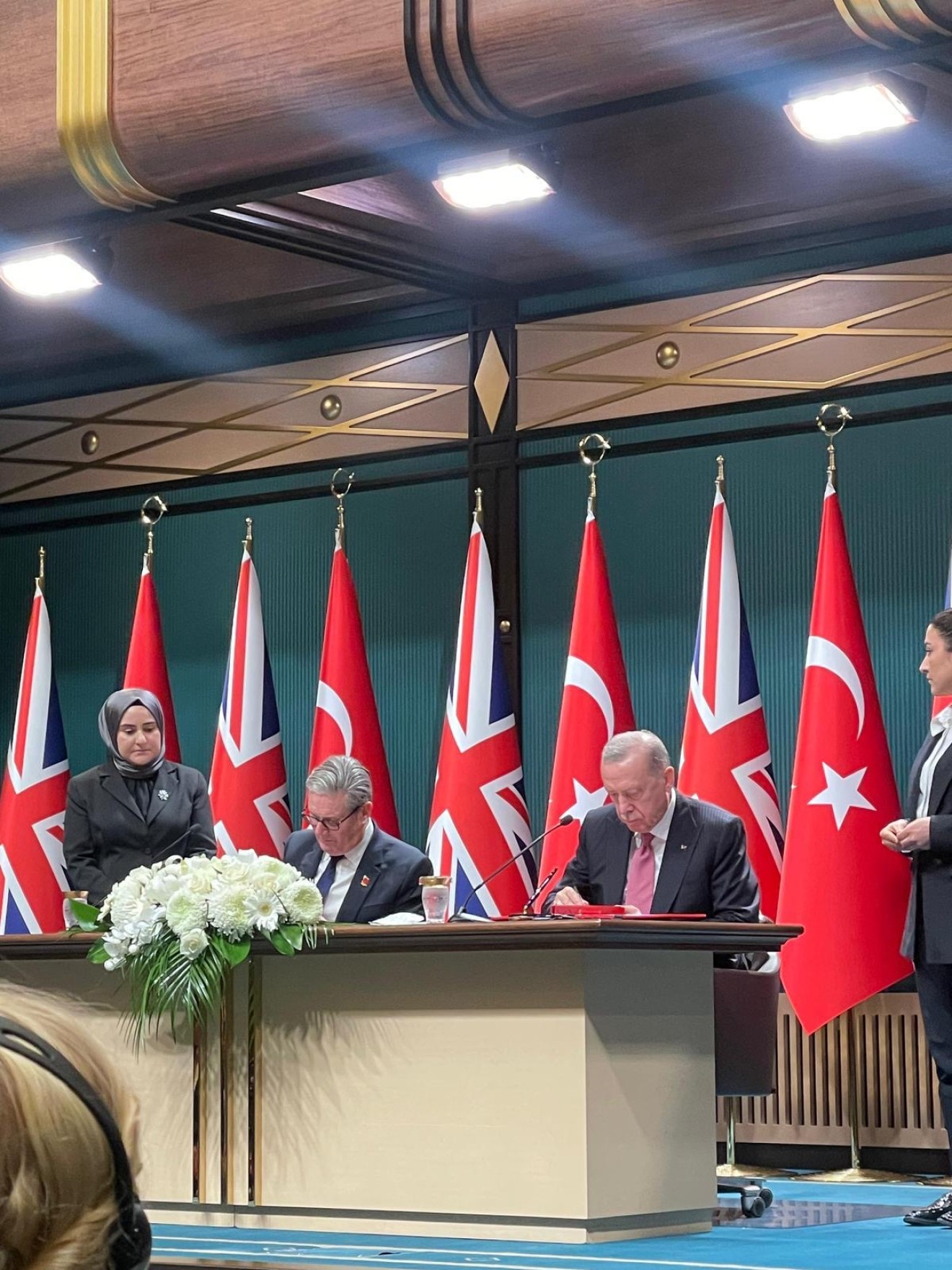
Denied the F-35 and with F-16 deals moving forward only slowly, Turkey has been forced to look elsewhere to meet its short-term fighter needs. Most significantly, it signed a deal for 20 Eurofighter Typhoon jets last October.
Turkey has also been investing heavily in drones, including the ANKA-3, a low-observable flying wing uncrewed combat air vehicle (UCAV), and the fighter-like Bayraktar Kizilelma. Still, these are viewed as adjuncts to advanced crewed fighters, like the Kaan.
Whether securing the F110 engines means the Kaan meets its target of service entry around the 2030 timeframe remains questionable.
However, it is a major step in that direction.
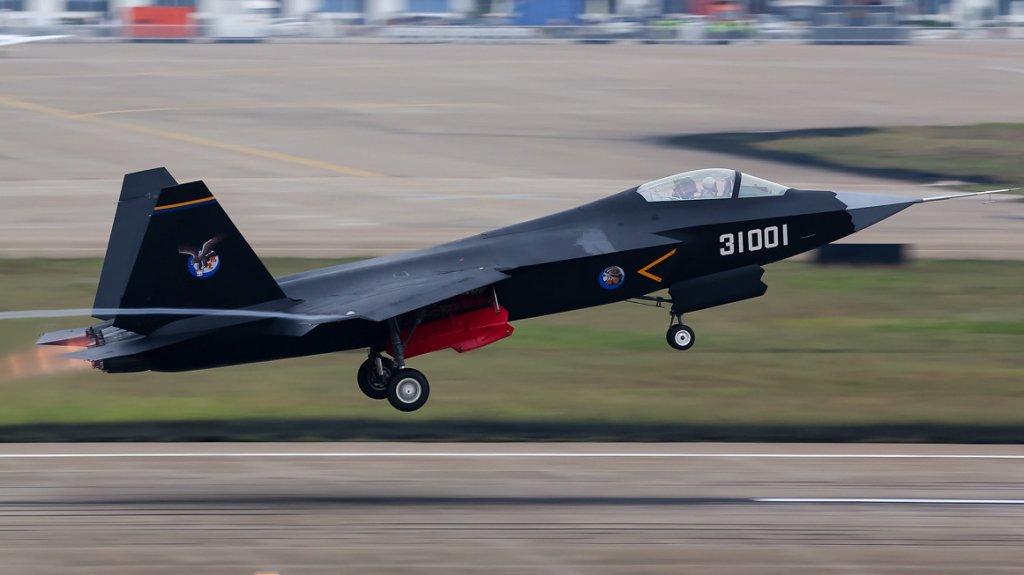
As well as being fielded by the Turkish Air Force, the Kaan could have significant potential for export, although sales would be governed by U.S. restrictions on its engines. It is one of a number of medium-weight fighters that feature low-observable characteristics and advanced avionics. These include China’s FC-31 and South Korea’s KF-21.
Reportedly, Indonesia already signed a contract for 48 Kaan fighters last June.
Perhaps most importantly, the F110 deal would get back on track what is very much the flagship of Turkey’s military aerospace industry. At the same time, a U.S. decision to provide Ankara with these engines will also be welcomed by those in Turkey who still wish for a way back into the F-35 program.
Contact the author: thomas@thewarzone.com
The post Trump Set To Clear Critical F110 Turbofan Engine Sale For Turkey’s Kaan Fighter appeared first on TWZ.